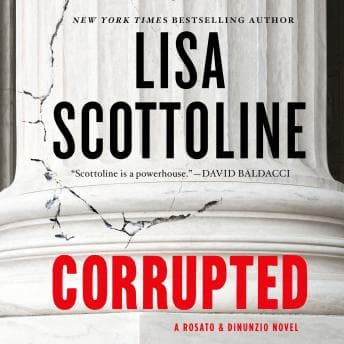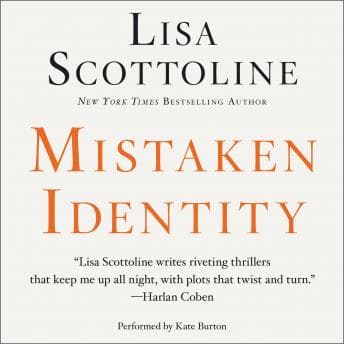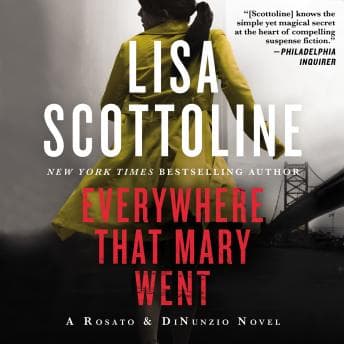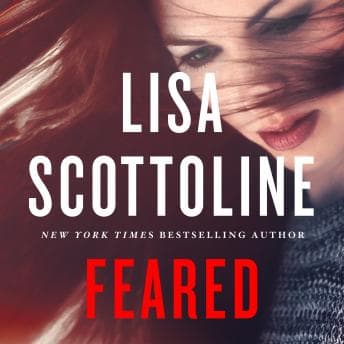

Can we talk about how annoying it is when a villain is named Machiavelli? Like, we get it. He's going to be cunning and ruthless and probably twirl an invisible mustache. Lisa Scottoline isn't exactly being subtle here, and honestly? I found myself rolling my eyes during my Sunday afternoon cooking session - I was making dal makhani, which requires patience and stirring, much like getting through the first hour of this audiobook.
But here's the thing. Mary DiNunzio isn't just fighting a lawsuit; she's fighting the creeping doubt that maybe, just maybe, there's a kernel of truth in the accusations against her firm. That psychological tension? That's what kept me stirring that dal long past when it needed attention.
When Your Nemesis Has a Name That's Too On-The-Nose
The reverse discrimination lawsuit premise is actually fascinating from a psychological standpoint. Scottoline sets up a scenario where the reader has to sit with discomfort - we want to root for Mary and Bennie, but the case forces us to examine our own assumptions about fairness and bias. Research shows that people become more defensive when their identity group is accused of the very discrimination they've fought against. Mary's reaction tracks perfectly with this. She's not just angry; she's personally wounded in a way that clouds her judgment.
What makes this character compelling is how Scottoline refuses to let Mary be entirely right. John Foxman's resignation - the firm's one male employee admitting there might be truth to the claims - is the kind of narrative gut-punch that makes you pause the audiobook and stare at your bubbling lentils. Is he a traitor? Is he honest? The ambiguity is delicious.
Kate Burton's narration handles this moral complexity with the kind of precision I wish more legal thrillers had. Her Mary is sharp but vulnerable, her Bennie is cool but not cold. The Italian-American elderly characters sound authentic without veering into caricature - and trust me, as someone who grew up with Bollywood movies teaching me that cultural representation can go very wrong, I appreciate when it goes right.
The Murder That Feels Almost Like an Afterthought
Here's where I have to be honest: the murder mystery element feels grafted onto what's actually a more interesting story about professional identity and institutional betrayal. Scottoline clearly wanted to raise the stakes, but the "case turns deadly" pivot doesn't track quite as smoothly as the lawsuit drama.
The courtroom scenes, though? Burton's brisk pacing keeps them from dragging, which is impressive given that legal procedure can be about as exciting as watching paint dry (my therapist would have thoughts about why I find paint drying oddly soothing, but that's another conversation). She shifts between characters with enough vocal distinction that I never got lost during the multi-party arguments.
At ten and a half hours, this is a commitment. I finished it across three cooking sessions and one very long grading marathon where I needed something to distract me from undergraduate papers about Freud that clearly came from the same AI. The pacing works for focused listening - this isn't a background book. Let Me Go demands the same kind of attention—both books reward listeners who stay fully present for the psychological nuance. You'll miss plot threads if you zone out.
Who Should Queue This Up (And Who Should Object)
If you've been following the Rosato & DiNunzio series, you already know whether you're in. Burton has been the voice of these characters consistently, and there's a comfort in that continuity. New listeners can jump in here, but you'll miss some of the relationship dynamics that make the firm feel like a found family.
This is a fascinating case study in workplace dynamics wrapped in a legal thriller. Scottoline understands that the scariest threats aren't always external - sometimes they come from inside the house, from the people who know exactly where to aim. The title asks whether it's better to be loved or feared, and the answer the book offers is more complicated than Machiavelli (the real one, not the cartoonish lawyer) ever suggested.
Skip this if you want a pure whodunit. The murder mystery is serviceable but not the star. If you want that pure whodunit energy, Four Blind Mice delivers the investigative intensity without the courtroom detours. Come for the psychological warfare between lawyers who genuinely hate each other, stay for Burton's ability to make depositions sound like cage matches.
Case Closed (My Unsolicited Professional Opinion)
I kept asking myself: why does Mary really fight this hard? Is it principle, or is it ego? Scottoline lets that question breathe without forcing an answer, which is more sophisticated character work than most thrillers attempt. The ending satisfies without being neat - life rarely is.
Worth your time if you appreciate characters who are flawed in realistic ways and narration that respects the material. My dal turned out excellent, by the way. Sometimes the best things require patience and the right background noise.