
I was three hours into a late-night shelving shift at the library - the kind where you're alone with the fluorescent hum and that specific silence that makes every creak sound intentional - when Jenkins first set foot in Moscow. Perfect timing. The paranoia was already built in.
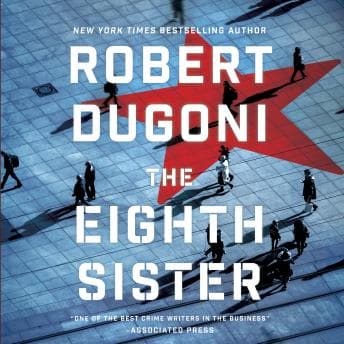
Here's the thing about espionage thrillers: they live or die on tension. Not action, not explosions - tension. That slow-building dread of knowing someone's watching, that every smile hides a knife. Robert Dugoni gets this. The Silent Patient works the same paranoid muscle, though it trades Moscow for a London psych ward. His Charles Jenkins isn't some slick, twenty-something operative with gadgets and one-liners. He's sixty-something, broke, with a pregnant wife and a security business hemorrhaging money. When his old CIA chief shows up with a Moscow assignment, you feel the desperation in his yes. It's not heroic. It's human.
When the Hunter Becomes the Hunted
The setup is classic Cold War paranoia updated for modern stakes: a clandestine spy cell called the "seven sisters" is being systematically eliminated, and Jenkins needs to find the eighth - the one doing the killing. Simple enough. Except nothing in this book is simple, and that's where Dugoni earns his bestseller status.
The Moscow sections crackle with authenticity. Jenkins moving through the city, never quite sure who's an asset and who's a threat, constantly recalculating his odds. Ballerini's narration during these sequences is genuinely excellent - his theatrical precision works beautifully here, ratcheting up the paranoia beat by beat. When Jenkins finally confronts the eighth sister and realizes he's been played, the reveal lands hard because Ballerini's been building to it for hours. That same sense of creeping betrayal permeates Nowhere to Run, where the protagonist can't trust anyone in his orbit either.
But here's where I have to be honest with my podcast listeners: the Russian pronunciation is... not great. Ballerini has a Golden Voice award, multiple AudioFile Earphones Awards, and genuine mastery of accents - his character differentiation is sharp enough that I never lost track of who was speaking. But authentic Russian? That's not happening here. If you speak Russian or have spent time in Moscow, it might pull you out. For the rest of us, it's a minor stumble in an otherwise smooth delivery.
The Black Sea Problem
Jenkins's escape across the Black Sea is the kind of sequence that makes audiobooks worth the format. Ballerini's pacing here is impeccable - you can feel the water, the cold, the desperation. My cat Shirley was deeply unimpressed by my audible gasp when Jenkins realizes he's been abandoned by his own agency. I, however, was fully invested.
The problem comes in part two, when the thriller pivots to legal territory. Look, I understand why Dugoni went there - the man's known for legal thrillers, and Jenkins fighting his own government in court has thematic resonance. But the courtroom sections strain credibility in ways the espionage stuff never did. Some listeners bounced hard here, and I get it. The energy shifts, the pacing loosens, and suddenly you're in a different book.
Does it ruin the experience? No. But it does keep this from being a must-listen. The first half is genuinely excellent espionage fiction. The second half is... fine. Serviceable. The kind of thing you tolerate because you're invested in Jenkins by then.
Who Should Queue This Up (And Who Should Walk Away)
If you're an espionage thriller fan who's been burned by too many young, invincible protagonists, Jenkins is your guy. His age, his desperation, his moral compromises - they make him real in ways that matter. Fans of Dugoni's Tracy Crosswhite series will find familiar territory here, though the stakes feel higher and the world more dangerous.
Skip if: you need authentic Russian pronunciation (it's not here), you hate legal thriller pivots (it happens), or you're looking for horror (wrong genre, wrong reviewer, but I had to be here anyway because apparently espionage paranoia counts as my kind of tension).
This is a focused listening experience - not background noise, not workout fuel. The plot requires attention, the double-crosses require memory, and Ballerini's voice work rewards concentration. I listened at normal speed and wouldn't change that.
Worth the Late Shift
The Eighth Sister understands that the scariest thing isn't the enemy you can see - it's the ally you can't trust. Dugoni builds a world where every handshake might be a trap, every safe house might be compromised, and the biggest threat isn't Russia. It's home.
Ballerini commits to this paranoia with theatrical precision that elevates the material. His Jenkins sounds tired, desperate, and dangerous - exactly right for a man who's too old for this but too broke to say no. The accent work (Russian pronunciation aside) keeps the international cast distinct and trackable.
Is it perfect? No. The second-half pivot costs it momentum, and purists will wince at the language issues. But for eleven hours of tension, tradecraft, and a protagonist who feels genuinely mortal? This delivers. My podcast listeners who've been asking for spy thriller recommendations finally have one.
Shirley remained unimpressed throughout. I remain convinced she's a Russian asset.