
"The dead don't care about jurisdiction."
That line hit me somewhere around hour three, driving home from a brutal night shift where we'd lost two patients before dawn. Tempe Brennan gets it. She really gets it.
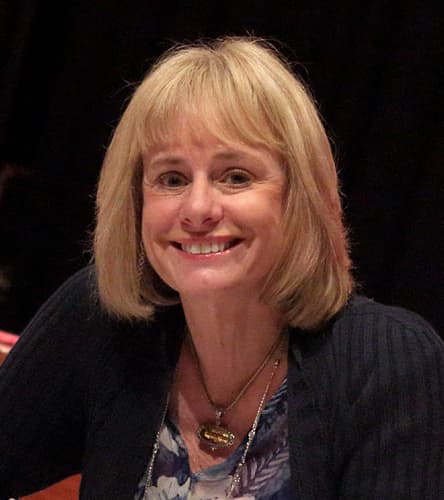
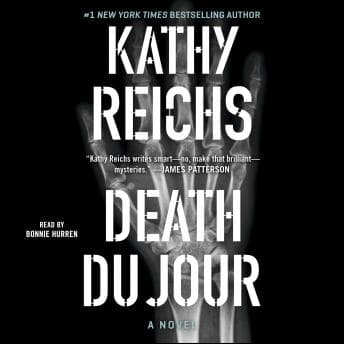
I picked up Death Du Jour because I needed something to keep my brain engaged during those 3 AM charting sessions when the unit goes quiet. What I got was a forensic anthropologist who actually sounds like she knows what she's talking about—because Kathy Reichs literally does this for a living. As someone who's actually worked a code and watched TV doctors do chest compressions like they're kneading bread dough, finding an author who respects the science feels like finding a twenty in your scrubs pocket.
Finally, Someone Who Understands Decomposition Timelines
The medical details are accurate. Finally. Reichs doesn't just throw around terms like "postmortem interval" to sound smart—she walks you through the logic of how Tempe determines time of death from skeletal remains. The archaeology field school setting in Charleston gives her plenty of opportunity to explain the difference between ancient bones and recent ones without it feeling like a lecture. When Tempe finds that skeleton that doesn't belong among the old burial site, the way she processes the scene? That's real methodology. That's how actual professionals think.
Bonnie Hurren's narration is... serviceable. I'm not going to lie—there's nothing particularly distinctive about her performance. She reads clearly, doesn't stumble over the forensic terminology (which is more than I can say for some narrators attempting medical thrillers), and keeps the pacing steady through the 13-plus hours. But she's not doing anything that made me sit up straighter in my car seat. No distinct voices I could pick out of a lineup. Just competent, professional reading. Sometimes that's enough. Sometimes you want the story to do the heavy lifting.
The Cult Stuff Gets Under Your Skin
Here's where this book surprised me. The description mentions a televangelist and a free clinic, but what Reichs actually delivers is this creeping investigation into cult dynamics that had me genuinely unsettled. The way vulnerable people get pulled into these organizations—patients at a free clinic who have nowhere else to go, young people searching for meaning—it's not sensationalized. It's uncomfortably realistic.
The trafficking angle connects local disappearances to something much bigger, and Reichs doesn't rush the reveal. This is a slow burn. Good Girl builds that same kind of creeping dread—you know something's wrong long before the pieces click into place. Around hour seven, I started connecting dots that had been planted way back in hour two, and I actually said "oh, that's clever" out loud to my empty car. Carlos asked why I was crying when I got home. I blamed allergies. (It wasn't allergies. There's a scene involving a young woman that just—yeah.)
The Ryan and Galiano Situation
Okay, the romantic subplot. Ryan's in Montreal, Galiano's an old flame in Charleston, and Tempe's juggling both while also, you know, investigating murders. I could take or leave this element. It felt like Reichs was obligated to include it rather than organically interested in exploring it. The tension between the two men is there, but it's not what kept me listening. If you're here for the romance, adjust expectations. If you're here for the forensics and the cult investigation, you're in good hands.
Who Should Queue This Up (And Who Should Pass)
Night shift approved for anyone who needs something meaty enough to keep you alert but not so action-packed that you miss plot points when a patient calls. The pacing is steady rather than breakneck—this isn't a thriller that's going to have you white-knuckling your steering wheel. It's more of an unfolding investigation where the horror builds through accumulation of evidence rather than jump scares.
If you watched Bones and expected this to be the same vibe—it's not. Four Blind Mice does something similar with Alex Cross; the books and adaptations feel like completely different characters. The TV show took Tempe's name and profession and basically invented everything else. Book Tempe is older, more sardonic, and works primarily with the dead rather than bantering with an FBI agent. She's also based in Montreal for most of her work, though this book takes her to Charleston. The differences threw some listeners, but honestly? I prefer book Tempe. She feels like someone I'd actually work with.
Skip this if you need a fast-paced thriller or if you're sensitive to content involving violence against vulnerable populations. Reichs doesn't exploit the dark material, but she doesn't shy away from it either.
Charting Complete, Signing Off
Death Du Jour gave me what I needed—a smart mystery written by someone who actually knows forensic science, with enough complexity to keep my post-shift brain engaged. The narration won't win awards, but it won't make you throw your phone either. Perfect for that post-shift decompression when you need something that respects your intelligence without demanding you take notes.
My mom would love this (she still thinks I should've been a doctor). I'm texting her the title now.