I was shelving returns at the library last week - you know, the quiet Sunday shift where nobody comes in and I can just zone out with my earbuds - when Mac Lane walked into a Dublin pub and everything went sideways. Full-body chills in the 930s section. Shirley Jackson would be proud.
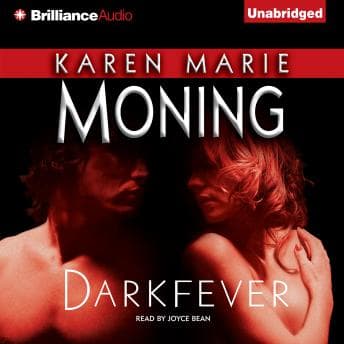
Look, I'll be honest. I avoided the Fever series for years. The covers screamed "paranormal romance" in a way that made my horror-snob brain dismiss it. Mistake. Big mistake. Because Darkfever isn't really romance at all - it's a slow descent into a world where the beautiful things want to destroy you, and Karen Marie Moning understands that horror isn't about gore. It's about dread.
The Dread Builds Slow (And That's the Point)
Mac starts as this pink-wearing, rainbow-loving Georgia peach who thinks her biggest problem is her unreliable car. Then her sister dies in Dublin, leaves a cryptic voicemail, and suddenly Mac's on a plane to Ireland to play detective. Standard setup, right? Except Moning does something clever - she lets Mac be annoying. She lets her be shallow and spoiled and completely unprepared for what's coming. Some listeners hate this. I get it. But here's the thing: that's the point.
The horror of Darkfever is watching someone's entire worldview shatter. Mac can suddenly see the Fae - these ancient, beautiful, terrifying creatures that walk among us - and nobody believes her. She's isolated in a foreign country, being hunted by things she can't name, and her only ally is Jericho Barrons, who might be worse than the monsters. The paranoia builds chapter by chapter. By the time I was driving home from work (yes, I switched to the car), I was checking my rearview mirror for things that shouldn't be there.
Joyce Bean Gets the Assignment
Let's talk narration. Joyce Bean's voice is... not what you'd expect for a 22-year-old protagonist. She sounds older. More mature. Some people bounce off this immediately, and I won't pretend it's not noticeable in the first hour. But here's what I think happened: Bean understood that Mac's journey is about growing up fast. About losing innocence. She narrates the whole thing like Mac is telling this story from the other side of trauma - looking back at who she used to be.
Once I stopped waiting for a younger voice and just listened, Bean's choices started clicking. Her Barrons is all cold menace and barely-contained danger. Her Vlane (the Fae prince who's basically walking sex pheromones) is appropriately unsettling - seductive in a way that makes your skin crawl. That's hard to pull off. The male voices aren't perfect - they're a little theatrical, a little melodramatic - but honestly? This world IS theatrical and melodramatic. The narration matches the vibe.
What Bean absolutely nails is the fear. When Mac is terrified, you feel it. When she's in over her head (which is constantly), the vulnerability in Bean's voice is genuine. She commits. That's rare in urban fantasy narration, where everything can start sounding like a CW show.
Where Horror Meets Urban Fantasy
My podcast listeners are going to love this because Darkfever does something most paranormal romance refuses to do: it lets the supernatural be genuinely scary. The Fae aren't sparkly love interests. They're predators. The Shades - these shadow creatures that devour humans - are genuinely creepy, and Moning describes them in ways that stuck with me. The world-building is dense but never boring, and there's this underlying mythology about the Sinsar Dubh (a dark book of power) that promises the series is going somewhere big. Nightfall builds that same kind of mythology-heavy dread, where you know something massive is lurking just outside the frame.
Is there romance? Sort of. Barrons and Mac have tension you could cut with a knife, but it's not sweet. It's antagonistic and uncomfortable and you're never quite sure if he's going to kiss her or kill her. That uncertainty? That's horror. That's what keeps you listening past your exit.
The Catch (Because There's Always One)
I gotta be real - if you need your protagonist to be likeable from page one, this might not be your book. Mac complains. A lot. She's privileged and naive and makes stupid decisions. But watching her transform from that person into someone who can survive this world is the whole arc. It takes patience. The payoff comes later in the series.
Also, fair warning: there's some sexual content that walks right up to the line. The Fae use desire as a weapon, and Moning doesn't shy away from that. It's not gratuitous, but it's not subtle either.
Shirley the Cat Remains Unimpressed
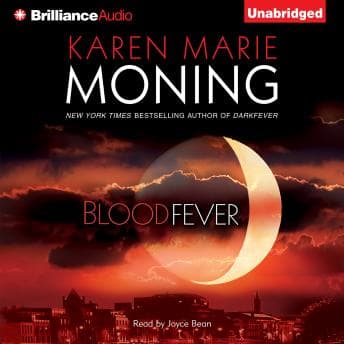
I've already started Bloodfever. At the library. During my lunch break. Shirley (my cat) was unimpressed when I came home ranting about Fae politics. I was hooked.
Skip this if you scare easily or need instant protagonist likability. But if you've been sleeping on urban fantasy because you thought it was all vampires and love triangles - this is your entry point. Darkfever understands that the best horror makes you question what's real. And Joyce Bean makes sure you feel every moment of that unraveling.