I made the mistake of starting this at 11 PM on a Tuesday. "Just one chapter," I told myself, like a fool. Cut to 2 AM, Shirley glaring at me from the foot of the bed because I gasped too loud at a plot twist and woke her up. She was unimpressed. I was completely hooked.
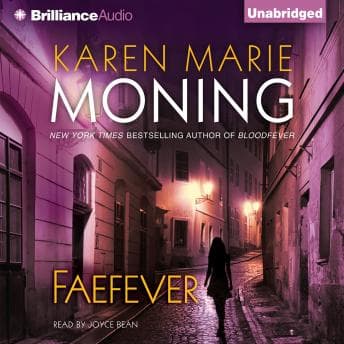
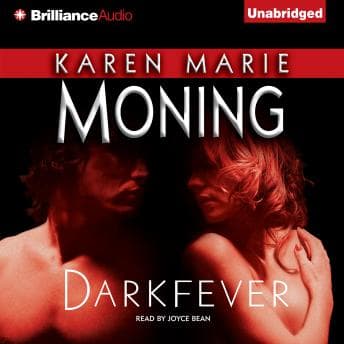
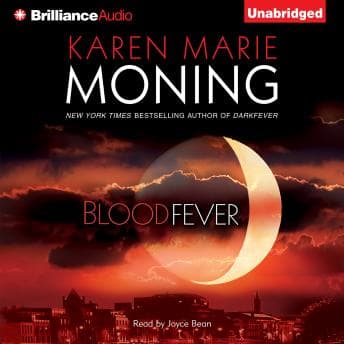
Look, I came to the Fever series late. My podcast listeners have been yelling at me about it for years, and I finally caved. Bloodfever is the second book, and honestly? It understands that urban fantasy isn't about the supernatural creatures—it's about the slow corruption of someone who thought they knew themselves.
Mac's Descent Into the Dark
Karen Marie Moning is doing something sneaky here. On the surface, you've got your standard urban fantasy setup: fish-out-of-water protagonist, mysterious dangerous men, ancient evil book everyone wants. But underneath? Mac is unraveling. Not in the dramatic, obvious way. It's the small compromises. The moments where she catches herself thinking like the monsters she's hunting.
The Sinsar Dubh—this million-year-old book of black magic everyone's chasing—works as a MacGuffin, sure. But it's really just a mirror. What would you do for power when you're surrounded by things that could kill you without breaking a sweat? How much of your old self would you trade away to survive?
Shirley Jackson walked so Moning could run. I mean that. The psychological horror here is subtle, buried under the sexual tension and the Fae politics, but it's there. That same internal battle drives Red Rising, where Darrow's transformation into something he once hated becomes the real horror. Mac isn't just fighting external enemies. She's fighting who she's becoming.
Joyce Bean Commits—Mostly
Here's where I have to be honest about what works and what... doesn't quite.
Joyce Bean gets Mac. Like, really gets her. That lingering innocence mixed with growing ruthlessness? Bean captures it perfectly. There's this vulnerability in her delivery that makes Mac feel real, even when she's doing objectively unhinged things. The humor lands. The fear lands. When Mac is spiraling, you feel it in Bean's voice.
But—and you knew there was a but coming—the male voices are a problem. Jericho Barrons should sound like danger wrapped in expensive cologne. V'lane should sound like your worst decision personified. Instead, they kind of... blend together? It's not terrible, but it pulled me out a few times. My podcast listeners who've read the physical books tell me they hear these characters completely differently in their heads.
Some people complain Bean sounds too old for a 22-year-old protagonist. I actually disagree. Mac has been through enough trauma at this point that a more mature voice makes sense. She's not the Georgia peach who landed in Dublin anymore. That innocence is a mask now, and Bean's voice reflects that.
The Slow Burn That Actually Burns
Pacing-wise, this book knows what it's doing. There are slower sections—worldbuilding, Mac learning more about the Fae, the walls between realms coming down—but they earn their runtime. When things get intense, they get INTENSE. I may have missed my exit on the highway during one particular sequence. (Don't tell anyone.)
The cliffhanger ending is brutal. Like, genuinely cruel. I immediately started book three, which I'm sure is exactly what Moning wanted. Well played.
Content warning for my more sensitive listeners: there's violence, sexual content that ranges from tension to explicit, and some genuinely disturbing imagery. The Fae in this series aren't your sparkly Tinkerbell types. They're predators wearing beautiful masks. Wolves of the Calla nails that same sense of ancient evil hiding behind familiar faces—King understands that the scariest monsters are the ones that almost look human. If you scare easily... actually, no. If you scare easily, you might still want this. Good horror requires good atmosphere, and Moning delivers.
Who Gets Bitten, Who Walks Away
If you're coming to this for the romance, you'll get it—but be prepared for it wrapped in genuine dread. If you're here for the horror elements, they're more psychological than gore-focused. If you need perfect male character voices from your narrator, sample first. Skip this if you want standalone stories; that cliffhanger will leave you stranded without book three.
Nine Hours Well Spent (Even If Shirley Disagrees)
For me? This is exactly the kind of dark fantasy that respects the genre. It's not trying to be literary fiction wearing a supernatural costume. It knows what it is and commits fully. Bean's performance, despite the male voice issues, carries the emotional weight beautifully.
My podcast listeners are going to love this recommendation. Finally, urban fantasy that understands atmosphere matters more than action sequences.
Even if Shirley still hasn't forgiven me for the 2 AM gasping.