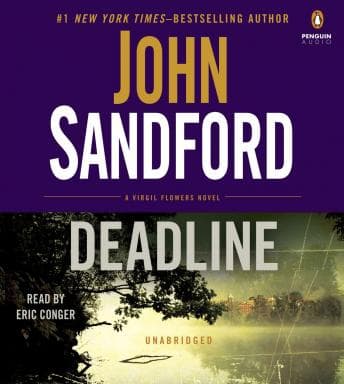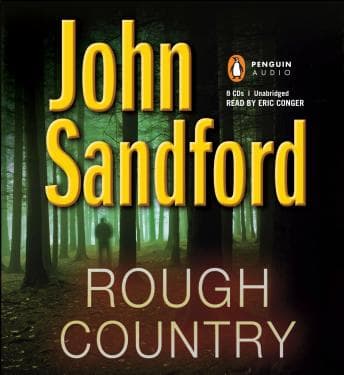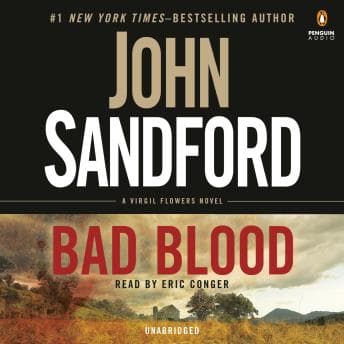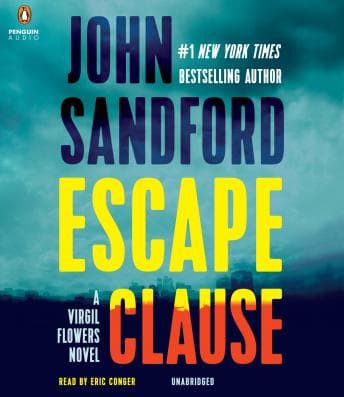

Three bodies in three weeks in a town that probably hasn't seen three murders in three decades. That's the setup, and Sandford doesn't waste time getting you there. I was driving back from a client site in Houston - four hours of I-10 that feels like eight - when I started this one. By the time I hit the Austin city limits, I'd blown through half the book and missed my exit twice.
Let me cut to the chase: this is solid small-town crime fiction with a protagonist who actually feels like a real investigator. Virgil Flowers isn't some tortured genius or rogue cop with a death wish. He's competent, a bit cocky, and smart enough to know when he's being played. That alone puts him ahead of half the detectives in the genre.
Why Virgil Works
Sandford knows how to build a character without drowning you in backstory. Virgil's a BCA agent sent to Bluestem because the locals are in over their heads - and they know it. What I appreciated is that he doesn't roll in like some federal savior. He works the angles, talks to people, and actually listens. (Novel concept for fictional investigators, I know.)
The small-town dynamics ring true. I've worked enough security assessments in rural communities to recognize the politics - who's connected to whom, whose family has been there for generations, who's hiding what behind closed doors. Sandford nails that tension between "everyone knows everyone" and "nobody's talking about anything that matters."
The murders themselves are brutal without being gratuitous. An old man burned alive in his basement. A doctor and his wife killed in their home. These aren't random - there's a pattern, and watching Virgil piece it together kept me engaged through every mile of that drive.
Conger Behind the Mic
Eric Conger handles the narration, and here's where I have to be honest - I couldn't find much about him online beyond this series. But based on what I heard? He gets the job done. His Virgil has the right mix of casual confidence and underlying sharpness. The pacing works well at 1.25x, which is my standard speed for anything that isn't dense nonfiction.
Conger differentiates characters well enough that I never got lost in conversations. The various Bluestem locals each have their own flavor - the nervous ones, the hostile ones, the ones who know more than they're saying. Some reviewers have complained about occasional monotone stretches, and yeah, there are moments in the middle where the energy dips. But it picks back up when the plot demands it.
My one gripe: some of the regional accents feel a bit forced. Not enough to ruin anything, but noticeable if you're paying attention. Ranger didn't seem to mind, though he was mostly asleep in the back seat.
Where the Investigation Hits Its Stride
The book really clicks around the halfway point when Virgil starts connecting threads that seemed unrelated. Sandford's plotting is methodical - not slow, just deliberate. He's not throwing twists at you every chapter to keep you hooked. Instead, he builds tension through accumulation. Small details that seemed throwaway come back around. Conversations that felt like filler turn out to matter.
This is old-school procedural work, and I mean that as a compliment. No fancy forensics solving the case in an hour. No computer hacker pulling records out of thin air. Just a guy doing legwork, asking questions, and thinking through the logic of who benefits from these deaths. That same methodical approach to unraveling a mystery is what made The Silent Patient work so well for me.
The resolution is satisfying without being predictable. I had pieces of it figured out, but Sandford saved a few surprises for the end that landed well. Won't spoil it, but the motive makes sense in a way that's almost more disturbing than something outlandish would be.
Mission Debrief
If you're into procedurals and haven't met Virgil Flowers yet, this is a solid entry point. It's the first in the series, and Sandford does enough character work that you'll want to continue without making this feel like setup for future books.
The audiobook runs about ten and a half hours - perfect for a long road trip or a week of commutes. Conger's narration is reliable if not spectacular. The story moves at a pace that rewards attention without demanding you rewind constantly.
Who's this for? Procedural fans who want an investigator with actual brains and a case that unfolds through legwork, not luck. Skip it if: you need constant action or can't handle small-town settings - this might drag for you. And if sloppy police work in fiction drives you crazy, you'll appreciate that Sandford clearly did his homework here. The investigation feels realistic, which is more than I can say for most of what's on the bestseller lists.
Ranger approved this one. So do I.