
Three AM. The unit's quiet - that dangerous kind of quiet where you're afraid to breathe too loud. I'm charting, one earbud in, and Scott Brick is whispering about a criminal mastermind planning the perfect crime while I'm documenting wound care on a stabbing victim. The irony is not lost on me.
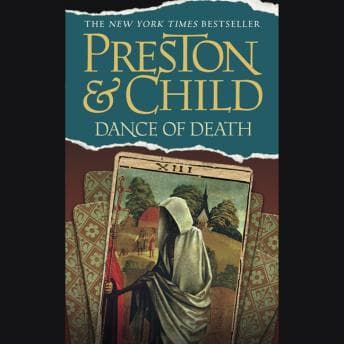
Dance of Death had been on my list forever. Two brothers - one FBI agent, one brilliant psychopath - locked in a deadly game of cat and mouse. Everyone kept telling me the Pendergast series was addictive. They were right. But here's the thing nobody warned me about: this book is LONG. Seventeen hours. That's almost four night shifts of commute time. And somewhere around hour eight, I realized I was genuinely concerned about a fictional character's wellbeing while simultaneously wondering if my patient in bed 4 had pulled out his IV again.
When the Villain Steals the Whole Damn Show
Diogenes Pendergast. The evil brother. Scott Brick voices him with this theatrical, almost serpentine quality that made me grip my steering wheel harder than necessary. There's something deliciously unhinged about how Brick delivers his lines - dramatic without tipping into campy, intelligent without being cold. When Diogenes is on the page (on the... speaker?), the audiobook crackles with genuine menace.
The problem? When he's NOT on the page, things get... slower. The investigation scenes, the procedural elements - they're fine. Competent. But after Diogenes's electric presence, "competent" feels like a letdown. Some listeners complained about shallow narration and lack of atmosphere, and I get it. Brick is excellent with character voices - his New York accents are solid, and he differentiates the cast clearly - but the ambient tension between the dramatic moments doesn't quite hold.
As someone who's actually worked a code, I appreciate when thrillers understand pacing. Real emergencies have lulls. But in fiction, those lulls need to build something. Here, they sometimes just... exist.
The Medical Details Are Accurate. Finally.
Okay, there's not a ton of medical content in this one, but what's there didn't make me yell at my dashboard. Small victories. Preston and Child clearly do their research - the forensic elements, the investigative procedures, the way institutions actually function. It's refreshing after suffering through thrillers where someone gets defibrillated for flatline (THAT'S NOT HOW DEFIBRILLATORS WORK, for the millionth time).
The plot itself is layered. Maybe too layered? There were moments during my post-shift fog where I had to rewind because I'd missed a crucial detail while my brain was still processing whether I'd remembered to chart that medication. Palace of Treason had that same demanding quality - you miss one detail and suddenly you're lost in the tradecraft. This is not a background listening book. This is a "you need to pay attention" book. Which is both a compliment and a warning.
Who Should Clear Seventeen Hours For This
If you're already invested in the Pendergast series - just do it. The ending is apparently a high point (I'm not spoiling it, but Carlos asked why I was crying in the car and I absolutely blamed allergies). If you're new to Preston and Child, maybe start earlier in the series? This is book six, and while I followed along fine, I suspect some emotional beats would've hit harder with more history.
Skip if: You need atmospheric, moody thrillers. This one's more plot-driven than vibe-driven. Also skip if you can only do short listens - seventeen hours is a commitment, and the pacing doesn't always reward that commitment equally.
Perfect for that post-shift decompression if you can handle something that requires your brain to stay partially online. Not ideal for 3 AM charting sessions when you're already running on caffeine and spite.
Clocking Out
Scott Brick is good. Really good. His villain work alone earns the audiobook its reputation. That electric villain energy I'm craving more of? End Game delivers it more consistently throughout. But "good" isn't "perfect," and seventeen hours magnifies both strengths and weaknesses. The suspense works. The twists land. The ending delivers.
But I wanted more atmosphere between the peaks. More tension in the valleys. More of that electric Diogenes energy spread throughout instead of concentrated in bursts.
Worth the credit if you're a thriller fan who appreciates craft over flash. Just maybe don't start it at 3 AM when the unit's too quiet and you're already a little paranoid about what's lurking in the supply closet.