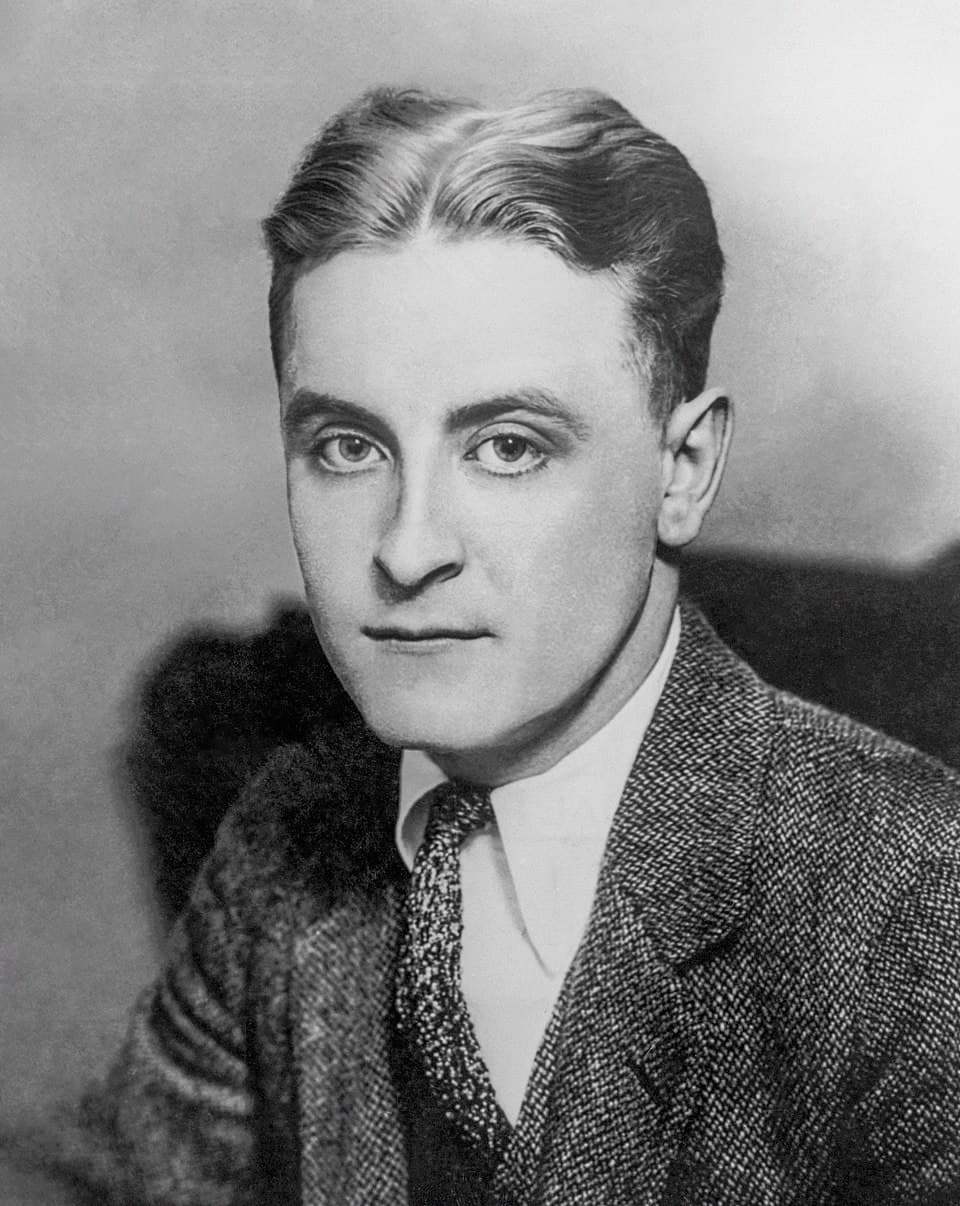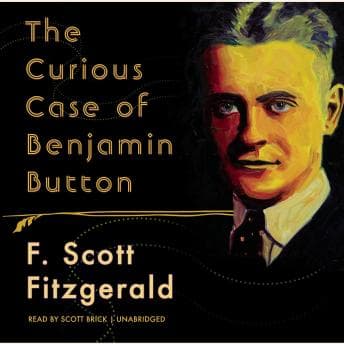

"His hair turned from white to iron-gray, the network of wrinkles on his face becoming less pronounced." That single line - delivered by Scott Brick with the kind of dry, observational calm you'd use to describe the weather - is where Fitzgerald tips his hand. This isn't a horror story about aging backward. It's a satire about how we treat people who don't fit the timeline we've decided they should be on.
I finished this one during a Sunday morning walk along the lakefront with Denise. She asked me what I was smiling about and I said, "Fitzgerald being mean to Baltimore society in 1922." She nodded like that was a perfectly normal thing to say. Twenty-three years of marriage will do that.
Fitzgerald's Cruelest Joke Isn't the Premise
Here's what people miss about this story, and what the Brad Pitt movie buried under CGI and Southern Gothic atmosphere: Fitzgerald doesn't actually care about the mechanics of reverse aging. He never explains it. He's not interested. What he's interested in is the absurd social horror of a family dealing with embarrassment. Roger Button's first reaction to his seventy-year-old newborn isn't grief or wonder - it's mortification. He's worried about what people at the club will think. The doctor is furious, as if Benjamin chose this on purpose just to ruin his professional reputation.
At just over an hour, this is basically a long short story, and Fitzgerald uses that economy the way he always does - every scene is doing double work. Benjamin's brief military glory during the Spanish-American War, where he finally "fits" his apparent age and thrives, only to be rejected when he shows up looking too young the next time around. His marriage to Hildegarde Moncrief, who fell in love with a distinguished older man and then resents him for becoming younger while she ages normally. That's not fantasy. That's every marriage where one person changes and the other didn't sign up for it. (Denise, if you're listening to the podcast this week, I'm speaking generally.)
Scott Brick Reads Like a Man Delivering Very Strange News with a Straight Face
This is what I mean when I say great narration is interpretation. Brick could have played the pathos - leaned into the tragedy of a man losing his memories as he grows younger, the horror of regressing toward infancy. Instead, he matches Fitzgerald's tone exactly: light, satirical, almost reportorial. He reads Benjamin's increasingly absurd predicaments the way a society columnist would report a scandal - with just enough raised-eyebrow amusement to let you know the real joke is on everyone around Benjamin, not on Benjamin himself.
The narrator understands that pause is punctuation. There's a moment when Benjamin, now appearing to be about twenty, tries to connect with his adult son Roscoe, and Roscoe is essentially parenting his own father with barely concealed irritation. Brick delivers Roscoe's exasperation with this clipped, tight-jawed quality that's distinct from his warmer treatment of Benjamin. It's subtle work for a piece this short, but it matters.
I wouldn't call this Brick's most demanding performance - it's sixty-four minutes, not sixty-four hours - but it's precise. And precision in a short form is harder than people think. You don't get chapters of runway to establish character. Every vocal choice has to land immediately.
Why This Still Works a Hundred Years Later
I teach "The Great Gatsby" every spring to juniors who mostly want to talk about the Leonardo DiCaprio movie. But when I describe "Benjamin Button" to them - a man born old who dies as an infant, who peaks in the middle and fades at both ends - they get quiet. Because teenagers understand, maybe better than anyone, the terror of being the wrong age for the life you're living. Too young to be taken seriously. Too old for the things that used to make you happy.
This is why we still read the classics. Not because they're old. Because they got there first.
Fitzgerald wrote this in 1922, and the central anxiety hasn't aged a day. (Pun intended. My students would groan. I don't care.) If you loved "Gatsby" for the way Fitzgerald uses fantasy as social criticism rather than escapism, this is its spiritual successor - or really, its predecessor. Same eye. Same blade.
Who This Is For (and the Credit Question)
At one hour and four minutes, this is basically the audiobook equivalent of a perfect short story read aloud at a dinner party. Children's Short Works, Vol. 003 scratches a similar itch if you're in the mood to keep stacking short-form listens - though I'll warn you, the tonal distance from Fitzgerald is considerable. It's the kind of thing you listen to on a single walk, a single commute, a single session of pretending to grade essays. My students would hate this - too slow, too old, no explosions. I love it.
But here's the honest thing: it's an hour long. Spending a full credit on sixty-four minutes of content is a tough ask when you could find this in a collection or through your library app. The narration is clean, the production is professional, and Brick does exactly what the material needs. But the prose deserves to be savored, and you can savor it for the price of a Libby hold.
Worth pausing the faculty meeting for. Not quite worth the full credit.