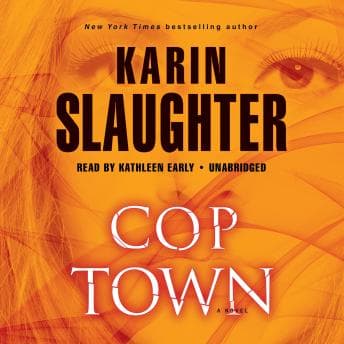

Three AM. The unit's quiet - too quiet, the kind of quiet that makes experienced nurses nervous. I'm caught up on charting for once, and I've got Cop Town playing through my earbuds. Karin Slaughter has me in 1974 Atlanta, and I'm watching two women try to survive a police department that wants them gone almost as much as the serial killer hunting cops.
I went into this expecting a standard crime thriller. What I got was something that made me forget to check on my sleeping patients for longer than I should admit.
The Medical Details Are Accurate. Finally.
Look, I don't expect authors to get everything right. But Slaughter? She did her homework. The trauma scenes, the way injuries are described, the chaos of emergency response in an era before modern protocols - it rings true. As someone who's actually worked a code, I can tell you that the visceral reality of violence in this book isn't Hollywood sanitized. It's ugly and messy and exactly how bodies respond to trauma.
Kathleen Early's narration drives this home. When she describes the aftermath of the cop killings, her voice drops into this clinical flatness that I recognize. That's the tone we use when we're describing something horrible and we can't afford to feel it yet. She gets it.
1974 Was a Different Kind of Brutal
I knew the 70s were rough for women in male-dominated fields. My titas have stories. But this book made me viscerally angry in ways I wasn't prepared for. Kate Murphy shows up on her first day and the uniform doesn't fit because they didn't bother making ones for women. The locker room situation is exactly as degrading as you'd expect. The casual racism, the homophobia, the absolute certainty these men have that women don't belong - Slaughter doesn't soften any of it.
And here's what got me: Maggie Lawson, the cop Kate gets partnered with, isn't some feminist hero. She's complicated. She's bought into some of the system's garbage because that's how she's survived. The tension between these two women isn't just about the case - it's about what you're willing to sacrifice to exist in a space that was never meant for you.
Carlos asked why I looked so upset when I got home. I blamed the traffic.
Kathleen Early Earned That Earphones Award
I've listened to a lot of narrators butcher Southern accents. The fake drawl, the cartoonish "y'all" that sounds like someone learned it from a bad movie. Early doesn't do that. Her Atlanta voices are subtle - she shifts tone and intensity rather than going full caricature. The male characters don't sound like a woman doing a man voice. They sound like men. Angry, threatened, dangerous men who populate this world.
The sharp humor hits different in audio too. There's a dark wit running through this book that Early emphasizes without overselling. When Kate internally comments on the absurdity of her situation, Early's delivery has this dry edge that made me snort-laugh at 4 AM. My coworker gave me a look.
This Is Not A Cozy Mystery
Content warning time, because I'd be doing you dirty if I didn't mention it: this book is explicit. Violence, sexuality, language - Slaughter doesn't fade to black. If you're looking for something light to fall asleep to, this ain't it. I had to pause during one scene because I needed a minute. And I see trauma for a living.
But here's the thing - it never feels gratuitous. The violence serves the story. The explicit content reveals character. This is a book about survival in a system designed to destroy you, and Slaughter makes you feel every bit of that weight. Pretty Baby tackles similar themes of women navigating impossible situations, though with less of the institutional brutality that makes this one so visceral.
Perfect For That Post-Shift Decompression
At 14 and a half hours, this is a commitment. But it's the kind of commitment that pays off. The pacing is relentless once it gets going - I finished the last four hours on my day off because I couldn't stop. The serial killer plot is solid, but honestly? I was more invested in watching Kate and Maggie navigate the minefield of 1970s police politics than I was in catching the murderer.
This works best when you can really listen. Driving home from night shift, yes. Background noise while doing dishes, no. There's too much happening, too many layers to catch if you're not paying attention.
Who Should Listen (And Who Should Skip)
If you want a mystery that's also a brutal examination of institutional sexism and racism, get this immediately. If you've ever been the only woman in a room full of men who think you don't belong, this will hit different. If you like your crime fiction with moral complexity and characters who aren't easily categorized as good or bad - night shift approved.
Skip it if you need content warnings for sexual assault and graphic violence. Skip it if you want a feel-good ending where justice is clean and complete. Skip it if fake Southern accents drive you crazy - wait, no, Early's accents are actually good. Never mind.
Clocking Out
My mom would love this. Strong women, medical accuracy, a narrator who doesn't phone it in. I'm texting her the title as soon as I finish this review. She still thinks I should've been a doctor, but at least we can agree on good crime fiction.