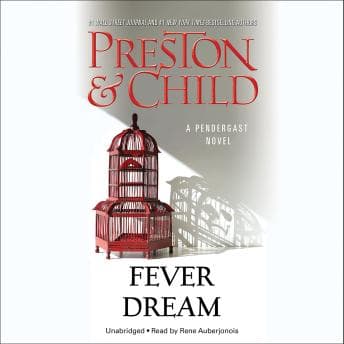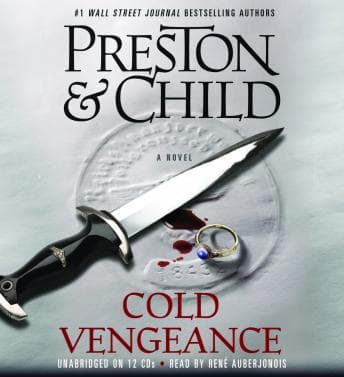

Three AM in the trauma bay, waiting for an incoming MVA that got diverted to another hospital. I'm sitting at the nurses' station with my earbuds in, charting on a patient who's finally stable, and Pendergast is losing his mind in the Louisiana bayous. The juxtaposition felt weirdly appropriate.
Here's the thing about this book that I didn't expect: everyone online kept saying the pacing was slow, that this wasn't vintage Pendergast intensity. And yeah, okay, they're not wrong. But I work nights. I've held the hand of a dying patient while their family was stuck in traffic. Slow isn't always bad. Sometimes slow is the knife twisting instead of slashing.
When Your Favorite Sociopath Gets Feelings
Pendergast has always been this controlled, almost alien presence—the guy who walks into chaos and makes it make sense. Cold Vengeance breaks him. His wife Helen wasn't just murdered; she might have been complicit in her own death. That's a gut punch I wasn't ready for, and Auberjonois delivers it with this restrained devastation that had me pausing my charting more than once.
Some listeners found emotional Pendergast "creepy"—I've seen that complaint. I get it. It's like watching your attending cry during a code. Uncomfortable. Wrong. But also? Real. People break. Even the ones who seem unbreakable. The performance captures that fracturing without going full melodrama, which I appreciated.
The chase from Scotland's moors to New York's streets to Louisiana's darkest corners should feel scattered, but it doesn't. Silent Woman does something similar with its shifting locations, though the emotional stakes feel different. Preston and Child know how to make geography feel like character. The bayou scenes especially—I could practically smell the rot and humidity through my earbuds.
René Auberjonois Finally Gets the Recognition He Deserves
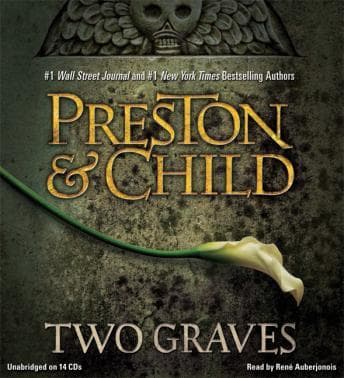
This man won an AudioFile Earphones Award for a reason. His German thugs sound different from his Mexican thugs sound different from FBI colleagues sound different from Helen. As someone who's actually worked with people from everywhere—because trauma centers don't discriminate—I notice when accents feel phoned in. These don't.
His cadence during the cliff-hanger ending had me white-knuckling my coffee cup. You know that feeling when you're waiting for lab results on a patient who could go either way? That tension in your chest? That's what the last hour of this audiobook feels like.
But—and there's a but—if you're expecting the breakneck pacing of earlier Pendergast books, you might feel like you're stuck behind a code cart in a narrow hallway. It's deliberate slowness, building toward something, but it IS slower. Night shift approved, but maybe not ideal if you need something to keep you awake on a highway.
The Constance Green Problem Nobody Wants to Talk About
Look, I'm going to say it because I saw other listeners dancing around it: the Constance storyline is getting weird. Like, Victorian-gothic-romance-novel weird in a way that doesn't quite fit with the procedural thriller elements. It's not a dealbreaker, but it's... a choice. My husband Carlos would probably roll his eyes. I'm reserving judgment until the next book.
The conspiracy itself goes deep—generations deep, apparently—and the layers of deception are satisfying in that way where you keep thinking you've figured it out and then nope, another layer. Second Wife pulled the same trick on me with its twisting family secrets, though without the bayou atmosphere. Medical thrillers do this too, and half the time they get the medicine wrong. This isn't medical, but Preston and Child clearly did their homework on whatever arcane historical stuff they're weaving in.
Who's Getting This Recommendation (And Who Isn't)
If you've been following the Pendergast series, this is essential. It's book eleven, and yeah, you probably shouldn't start here—you'll be lost. If you like your thrillers with emotional weight and don't mind a protagonist who's genuinely suffering instead of just brooding attractively, you'll appreciate this.
Skip it if you need constant action. This is a slow burn with a cliff-hanger ending (Carlos asked why I was yelling "WHAT?" in the driveway at 7 AM—I blamed the news). You'll need to commit to the next book immediately, which is either a feature or a bug depending on your credit situation.
Clocking Out
Thirteen hours of solid, atmospheric thriller with a narrator who actually cares about his craft. The pacing won't work for everyone, and emotional Pendergast takes some adjustment. But at 3 AM when the unit is quiet and you need something to keep your brain engaged without making you jumpy for the next trauma that rolls in? Perfect for that post-shift decompression. Just maybe don't listen to the ending right before you need to sleep. Trust me on this one.