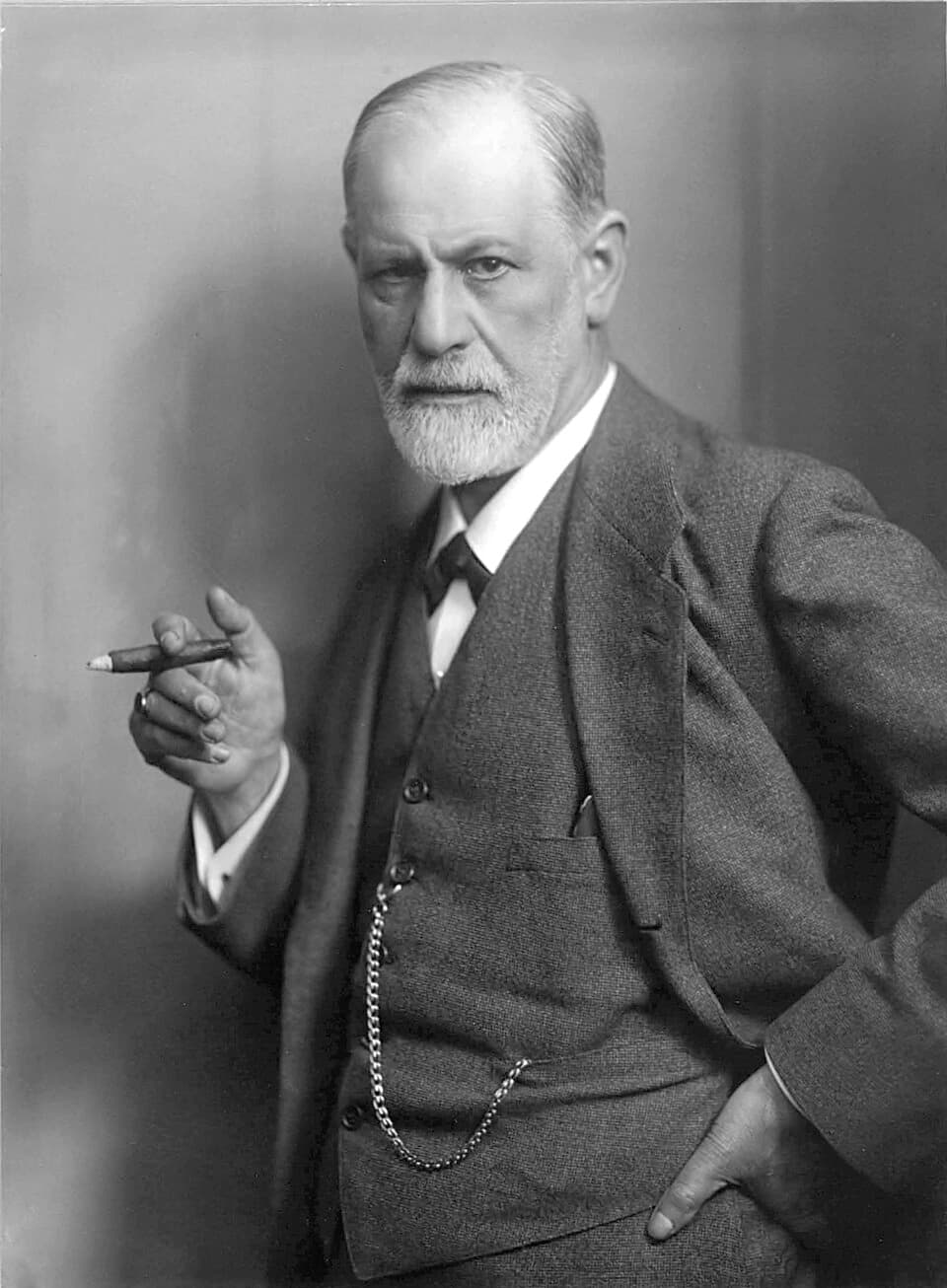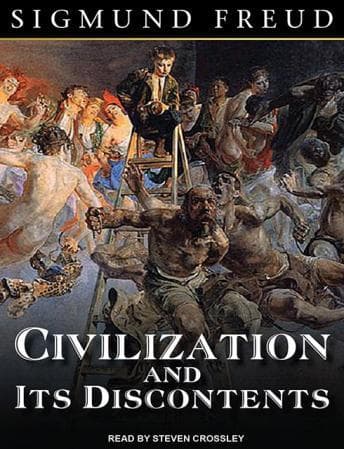

I was chopping onions for a chana masala I promised myself I'd meal-prep for the week (I won't; I'll eat half of it tonight standing over the stove), listening to Sigmund Freud explain why human misery is inevitable. Talk about setting the mood.
Look, I have a complicated relationship with Freud. In my department, you have to respect the history, but you also have to acknowledge the man was obsessed. Listening to Civilization and Its Discontents while crying over onions felt weirdly appropriate. I had a similar experience with Dream Psychology—Freud's ideas hit differently when you're doing something mundane. Because that's basically his thesis: civilization is just us agreeing to be slightly miserable together so we don't murder each other.
Why Happiness is a Logistical Nightmare
Freud wrote this in 1930. The world had just finished one massive war and was staring down the barrel of another. You can feel that heaviness. He's not here to tell you how to live your best life. He's here to tell you that your "best life" is a lie.
The core argument—and honestly, it holds up better than his stuff on dreams—is that we have these wild, aggressive, sexual animal instincts. Civilization says, "No, sit down, pay your taxes, and be nice." The result? Neurosis. We trade freedom for security, and the price is permanent discontent.
As I was listening, I kept thinking about my own research on narrative identity. We tell ourselves stories to make sense of the world, but Freud argues the structure of the world itself is fighting our biology. Caste explores a similar tension—how social structures constrain us in ways we don't even recognize. It's bleak. But it's also kind of validating? Like, if you feel stifled by societal expectations, Freud is basically saying, "Yeah, that's the design. It's a feature, not a bug."
Steven Crossley Sounds Like a Disappointed Headmaster (And That's Perfect)
The casting is... interesting. Crossley has this very crisp, formal British delivery. It screams "Lecture Hall."
For a book like this, it works, but with a caveat. Freud is dense. He loops around ideas, goes on philosophical tangents, and uses terms like "super-ego" the way I use "coffee." Crossley's pacing is steady—maybe a little too steady. He doesn't dramatize the text. He presents it.
I've seen some people complain that the accent or the tone makes it hard to follow. I get that. If you zone out for thirty seconds to check your phone, you've missed the entire setup for the death drive theory. You can't passive-listen to this. It requires active engagement.
Crossley enunciates like his life depends on it, though. There's a clarity there that helps untangle the complex sentences, even if he sounds a bit like he's about to assign you detention. (Which, let's be real, is exactly how Freud probably sounded in his own head.)
Who's This Actually For?
It's short—only three and a half hours. But it feels longer.
If you're a psych student, you've probably skimmed the PDF of this for a 101 class. Listening to it is different. You hear the anxiety in the text. You hear a man trying to rationalize why humanity is so violent.
But here's the thing—it's not a fun listen. It's an intellectual exercise. Don't put this on for a relaxing bath. Put this on when you want to feel intellectually superior to your cat, or when you need to understand why people on Twitter are so angry all the time. Skip it if you want something that moves—this is philosophy, not narrative, and Crossley won't sugarcoat that for you.
My Therapist Would Have Notes
My therapist says I analyze things to avoid feeling them. Freud would say I'm repressing my aggressive instincts. I say I just wanted to finish my audiobook challenge.
It's a classic for a reason, but you need to be in the mood for a lecture.