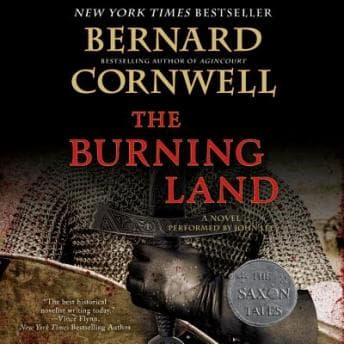

Bernard Cornwell understands something most historical fiction writers forget: history was lived by people who had no idea they were making it. Uhtred doesn't know he's helping birth a nation. He's just trying to survive, reclaim his birthright, and occasionally punch a Dane in the face.
I finished this one during a late-night grading marathon—thirty-seven essays on The Great Gatsby, each one claiming Nick Carraway was "relatable." (He's not. That's the point.) The Burning Land was my reward, my escape from green-light symbolism into something with actual swords and consequences.
The Fifth Book Problem (And How Cornwell Dodges It)
By book five of any series, you expect fatigue. The formula calcifies. Characters become caricatures of themselves. But Cornwell pulls something genuinely interesting here—he breaks Uhtred away from Alfred entirely. The whole dynamic that's defined the series? Gone. Uhtred joins the Vikings, swears he'll never serve the Saxon king again, and for a good chunk of the book, you believe him.
This reminds me of what Hemingway said about writing—you have to be willing to kill your darlings. Cornwell doesn't kill Alfred (yet), but he's willing to fracture the central relationship that makes these books work. That takes guts. My students would call it "character development." I'd call it trusting your readers to follow you into uncomfortable territory.
The battle sequences remain Cornwell's signature achievement. Harald Bloodhair's assault on Wessex—the shield walls, the chaos, the way victory feels like survival rather than triumph—this is why we still read the classics of military fiction. For a different take on military history (admittedly less sword-heavy), Lewis and Clark offers that same sense of men making history without knowing it. At 1.0x, naturally.
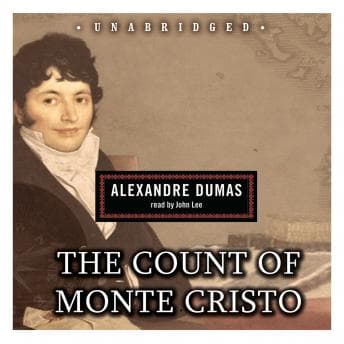
John Lee's Noble Problem
Here's where I have to be honest, and it pains me because John Lee is clearly a skilled narrator. His voice carries authority. His pacing is measured and professional. But Uhtred is a problem.
Uhtred is a warrior. A pagan raised by Danes, forged in shield walls, scarred and brutal and alive in ways that civilized men aren't. John Lee reads him like he's addressing Parliament. There's a haughtiness to his Uhtred—a royal bearing that feels wrong for a man who's spent his life covered in other men's blood.
The irony? Lee would be perfect for Alfred. That measured, slightly condescending tone is exactly how a dying king convinced of his divine mission would sound. But when Uhtred is supposed to be raging against fate, swearing oaths of vengeance, the delivery stays... polished. Controlled. It's like watching a Shakespearean actor try to play a punk rocker. Technically proficient, emotionally misaligned.
This doesn't ruin the experience. Lee's good enough that you adjust. But if you've watched The Last Kingdom on BBC—where Alexander Dreymon gives Uhtred genuine menace and wounded pride—the audiobook Uhtred feels sanitized by comparison.
Worth Pausing the Faculty Meeting For?
Absolutely. (Sorry again, Principal Martinez.)
The Burning Land works because Cornwell understands that historical fiction isn't about accuracy—it's about truth. The truth of what it felt like to live in a world where your king might die tomorrow and everything you've fought for could vanish. Where loyalty is a luxury and survival is a daily negotiation with death.
The violence is graphic. Slaughter described in ways that don't flinch. If you loved the earlier Saxon Tales, this delivers—darker, more desperate, with Uhtred finally questioning whether his service to Alfred meant anything at all.
Who Should Listen (And Who Should Maybe Read Instead)
If you're new to the series—don't start here. Go back to The Last Kingdom. You need to understand what Uhtred's lost before you can appreciate what he's fighting for. If you've been following along and you're committed to audio, John Lee will serve you well enough. Eleven hours is a reasonable commitment, and Cornwell's prose carries itself even when the narration doesn't quite match the character. But if you're a purist—if the narrator's interpretation matters as much as the words themselves—consider the print version. Or accept that your mental Uhtred will sound more aristocratic than intended.
The Annotated Take
I've spent twenty years teaching teenagers that great literature survives imperfect delivery. That the words matter more than how they're spoken. And then I listen to an audiobook where the narrator's tone slightly undermines the character, and I realize I've been lying to them.
Performance matters. Interpretation matters. John Lee gives us a competent Uhtred when the character deserves a dangerous one. It's still Cornwell, still brilliant, still worth your time. But the audiobook is the meal without the seasoning—nourishing, satisfying, just missing that final kick.
Denise asked me why I was muttering "more grit, more grit" during our lakefront walk. I told her it was about the book. She didn't believe me. She's usually right.