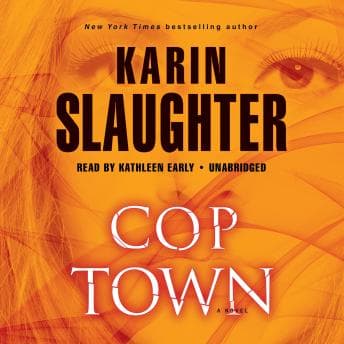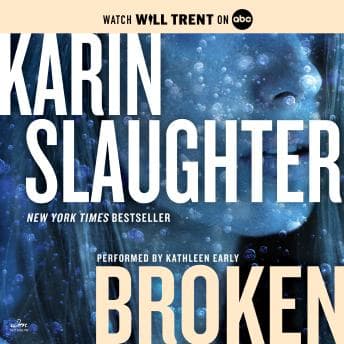

"She was broken before anyone broke her." That line from the prologue - Allison's backstory, the sad inventory of a life already in pieces before she ends up in that frigid lake - hit me somewhere around mile marker 47 on I-35 heading back from San Antonio. I had to turn down the volume for a second. Not because it was too loud. Because it was too accurate.
Slaughter doesn't ease you in. She drops you straight into Grant County, a town that has that particular small-department energy I recognize immediately - everyone covering for everyone, institutional loyalty weaponized against accountability. I've seen this scenario play out in real life. Not with murder, but with the same closed-ranks mentality that protects bad actors because they're "one of ours." Lena Adams is the embodiment of that problem. She's not a villain exactly, but she is exactly the kind of officer who makes good departments rot from the inside. Every time she stonewalled Will Trent, I felt my jaw tighten.
And Will Trent - here's where Slaughter does something I didn't expect. His dyslexia isn't a quirk tacked on for sympathy points. It's operational. It changes how he reads crime scenes, how he navigates paperwork, how he compensates in real time. That's the kind of character detail that tells me the author clearly did their homework on how people actually adapt to cognitive differences under pressure. His relationship with Angie adds another layer of damage - two broken people orbiting each other because they don't know how to stop. It's uncomfortable in the way real dysfunction is uncomfortable.
The Thin Blue Line Has a Body Count
The main case - the dead girl in the lake, the investigation into the investigation - runs parallel to Will quietly dismantling Grant County PD's version of events around Chief Tolliver's death. Slaughter is good at this. Two tracks, different speeds, converging in the final quarter with a reveal that I'll say this about: I did not see it coming, and I should have. The clues were there. I was too busy being annoyed at Lena to notice them. That's good plotting.
Sara Linton is the third point of this triangle, and she's the one who grounds the whole thing. Her grief over Tolliver is real and specific - not generic widow-sadness but the particular anger of someone who lost a person and then had to watch the circumstances of that loss get managed and minimized. The scene where she's forced to work alongside the department that failed her husband - that's where the book earns its emotional weight.
The last fourth moves fast. Slaughter tightens everything down and the payoff is genuinely chilling. I was in the parking lot of a client's office, engine running, unwilling to go inside until it resolved.
Kathleen Early: Five Earphones Awards, Earned
Early has been with this series long enough that she IS these characters now. Her Will is measured, slightly formal - a man who chooses words carefully because words have always been harder for him. Her Lena is defensive in a very specific way, that clipped tone of someone who knows they're guilty and is daring you to prove it. What she does with Sara's grief in the quieter scenes - not melodramatic, just tired and precise - that's the work of someone who actually read the book instead of just performing it.
No audio issues. No weird pacing. Five Earphones Awards isn't a marketing phrase - it's the right call.
Who This Is For (And Who Should Sit This One Out)
If you've done the Will Trent series in order, this is where it pays off. The Lena-Sara tension that's been building finally comes to a head, and it's worth the wait. If you're jumping in cold, you'll follow the mystery fine but you'll miss about half the emotional payload.
If you need your characters clean and your cops heroic, this isn't your deployment. Slaughter writes people the way they actually are - compromised, self-protective, capable of both genuine heroism and genuine cowardice, sometimes in the same chapter. Dead Men's Money operates in that same morally complicated space — nobody's hands are clean by the end, and the book doesn't apologize for that.
Ranger fell asleep about halfway through, but he was back up and alert for the final act. That tracks. Mission accomplished.