
Carlos found me in the driveway at 7:15 AM, still sitting in the car with the engine off. I'd been home for twenty minutes. The audiobook had ended somewhere on the 101, and I just... sat there.
"Allergies again?" he asked through the window.
Yeah. Allergies.
What Gustav's Diary Demanded
I've held the hands of dying patients. I've watched families say goodbye. I thought I was prepared for this book. I was not.
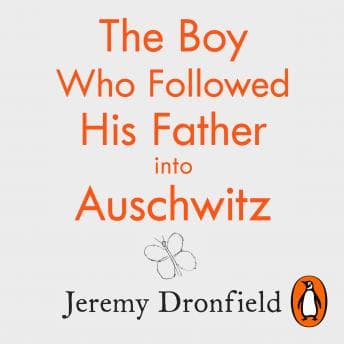
Jeremy Dronfield built this story from Gustav Kleinmann's secret diary—a document that should not exist. The man kept notes in Buchenwald and Auschwitz, hiding scraps of paper that could have gotten him killed. Dronfield treats that source material with the gravity it deserves. This isn't a dramatized retelling with invented dialogue and imagined emotions. That same commitment to historical accuracy runs through Beneath a Scarlet Sky, another WWII story that refuses to sensationalize the horror. The details are pulled directly from Gustav's words, from Fritz's later testimonies, from meticulous archive research that shows in every chapter.
The medical details—and there are many, because concentration camps were laboratories of human suffering—are accurate. Finally. When Dronfield describes the effects of starvation, the progression of disease through the camps, the specific brutalities guards inflicted, he's not sensationalizing. He's documenting. As someone who's actually worked a code, who's seen what the human body can endure and what it can't, I appreciated that he didn't flinch from accuracy but also didn't exploit it.
Fritz was fourteen when the Nazis took his father. Fourteen. And when Gustav was slated for transfer to Auschwitz—everyone knew what that meant—Fritz volunteered to go with him. Not because he didn't understand. Because he did.
John Sackville's Quiet Authority
The narration here is restrained in exactly the right way. Sackville doesn't perform this book. He bears witness to it. His voice carries a measured steadiness that lets the horror speak for itself. There's no dramatic inflection when describing atrocities—which would have felt obscene. Instead, he reads Gustav's words with the same matter-of-fact tone the diary entries probably had. A man recording his own survival, one day at a time.
The pacing requires patience. Nearly twelve hours is a significant commitment, and Sackville doesn't rush. This isn't a thriller with cliffhangers designed to keep you pressing play. It's a chronicle. Some sections—particularly the early chapters establishing the Kleinmann family's life in Vienna before everything shattered—move slowly. But that slowness matters. You need to know what they lost before you can understand what they fought to keep.
The Love That Kept Them Alive
Here's what wrecked me: this isn't a story about survival through luck or even through cunning, though both played roles. It's about a father and son who chose each other, over and over, in conditions designed to strip away every human connection. Fritz traded rations for his father. Gustav protected his son from selections. They kept each other alive through acts so small they could have been missed—a shared glance, a warning, a moment of solidarity in hell.
My mom called while I was listening to the middle section, and I had to let it go to voicemail. I couldn't explain why I was crying about something that happened eighty years ago to people I never met. But I think she'd understand. She came to this country with nothing. She knows what it means to survive on love and stubbornness.
Who Needs to Hear This (And Who Should Skip)
This is not casual listening. Don't put this on during housework or expect it to fade into background noise. It demands your attention and your emotional bandwidth.
If you believe we need to keep remembering—who understands that "never forget" isn't just a slogan but a responsibility—this audiobook is essential. It's primary source history made accessible. It's a love story in the truest, most devastating sense. Skip this if you're looking for uplift or easy inspiration. The Kleinmanns survived, yes. But Dronfield doesn't let you forget the millions who didn't. He names them. He honors them. That's the point.
Night Shift Prescription
I'm recommending this to my unit's book club, with warnings. We've all seen trauma. We've all had to compartmentalize to function. This book asks you to un-compartmentalize, to feel the full weight of what humans can do to each other—and what love can survive.
Carlos made me coffee and didn't ask questions. He's been married to a night shift nurse for twelve years. He knows when I need silence.
Some stories you carry with you. Gustav and Fritz Kleinmann will be with me for a long time.







![Steve Jobs [unabridged audiobook] audiobook cover](/_next/image?url=https%3A%2F%2Fcovers.audiobooks.com%2Fimages%2Fcovers%2Ffull%2F9788499923406.jpg&w=1920&q=75)