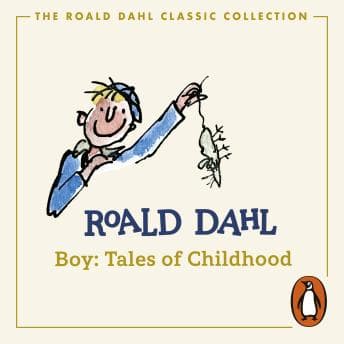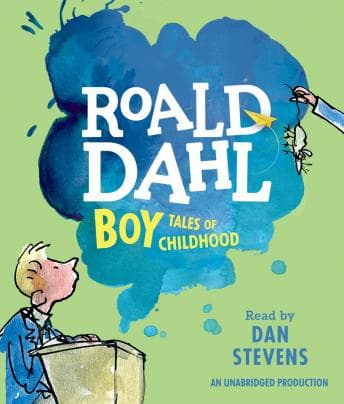

I wasn't prepared to ugly-cry over a memoir about boarding school and chocolate testing. And yet here I am, mascara ruined at 2 AM, Frida judging me from the foot of my bed while I clutch my phone like it owes me emotional damages.
Roald Dahl's Boy is barely three hours long, but it hit me like a freight train full of nostalgia and righteous anger and that specific ache you get when you remember being small in a world run by terrifying adults.
The Voice That Makes You Seven Again
Dan Stevens. DAN STEVENS. This man understood the assignment so completely that I forgot I was listening to a grown actor and not a mischievous Welsh schoolboy plotting revenge on a candy shop tyrant. His Mrs. Pratchett voice—this screechy, nasally thing dripping with petty cruelty—made my skin crawl in the best way. When he describes her filthy fingernails dipping into the sweet jars, I physically recoiled. The Great Mouse Plot of 1924? I was THERE, heart pounding, terrified of getting caught.
But here's what wrecked me: the way Stevens modulates when young Roald is in pain. The adenoid removal scene—performed without anesthesia, blood pouring down this child's throat—his voice goes quiet and matter-of-fact in a way that's somehow more devastating than screaming would be. It's that childhood thing where you're experiencing something horrific but you don't have the words yet to name it as wrong.
Abuela would have gasped at the corporal punishment scenes. Headmasters with canes, matrons who seemed to enjoy cruelty. Stevens gives these authority figures this looming, exaggerated quality—like how adults look when you're small and powerless. The perspective is so perfectly boy that I kept forgetting Dahl wrote this as a grown man looking back.
Mischief and Melancholy, All Tangled Up
This book felt like sitting on my abuela's plastic-covered couch, listening to stories about the old days—except the old days involved nearly losing your nose in a motor car accident and being a literal chocolate tester for Cadbury's. (I would have killed for that job at eight. I would kill for it now, honestly.)
The vibes shift constantly. One moment you're laughing at schoolboy pranks, the next you're aching with homesickness alongside this lonely kid shipped off to boarding school. Dahl doesn't sentimentalize it. He just... tells you what happened. And somehow that restraint makes it hit harder.
I found myself thinking about my own childhood memories—which ones would I write down? Which adults loomed large and terrifying? There's something universal in Dahl's specificity. The candy shop with its gobstoppers and sherbet. The cold dormitories. The casual cruelty of people who had power over children. It's British boarding school in the 1920s, but the emotional truth translates across decades and continents.
Three Hours That Feel Like a Whole Childhood
At just over three hours, this is a rainy Sunday book. Or a can't-sleep-at-2-AM book, apparently. The pacing is perfect at 1.0x—Stevens' comedic timing needs room to breathe, and you'll want to savor the way he builds tension before a punchline or a punishment.
I listened straight through, which I almost never do with memoirs. Boy has this propulsive quality—each anecdote leads naturally to the next, and you keep thinking "just one more chapter" until suddenly it's over and you're staring at your ceiling processing feelings about a man who died before you were born.
Who Needs This in Their Ears (And Who Should Skip)
If you grew up on Dahl's fiction—Matilda, Charlie and the Chocolate Factory, The Witches—you NEED to hear where those stories came from. The seeds are all here. The child-sized perspective. The grotesque adults. The dark humor wrapped around genuine pain. Adults will find themselves unexpectedly emotional about their own childhoods.
Skip if you need plot-driven narrative or can't handle British boarding school brutality. This is episodic, memory-shaped, sometimes meandering in the way real memories are. Family listening works, but fair warning: the corporal punishment is described matter-of-factly, which somehow makes it worse.
Abuela Would Have Loved This One
I went in expecting a light, nostalgic listen. I came out feeling like I'd been given a gift—this intimate look at how a brilliant, strange mind was formed by chocolate and cruelty and the fierce will to survive childhood intact. Autobiography of Benjamin Franklin gave me that same sense of witnessing a formative childhood, though Franklin's self-mythologizing couldn't touch Dahl's raw honesty.
Dan Stevens narrating this is better than Dahl reading his own work. I said what I said. His emotional range, his character voices, his understanding of how to make you feel seven years old and vulnerable—it's a perfect match of narrator to material.
Three hours. Four tissues. One very concerned cat.