
Let me cut to the chase. I spend half my life in an F-150 stuck in Austin traffic, and the other half dealing with corporate clients who think a phishing email is a Level 1 security threat. I need books that keep me awake.
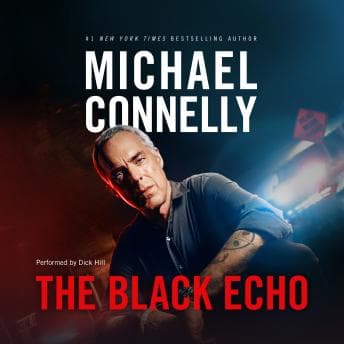
The Black Echo didn't just keep me awake; it made me miss my exit on I-35. Twice.
This is where it all starts. The first Harry Bosch novel. I've listened to plenty of thrillers where the "damaged detective" trope feels like a cheap suit—ill-fitting and off the rack. But Connelly? He writes Bosch like a guy who's actually seen the elephant.
The Voice of a Grunt
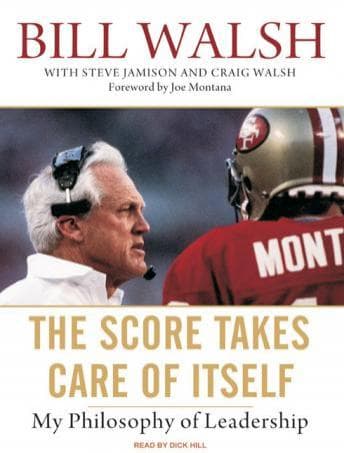
Dick Hill narrates this one. Let's be real—if you're used to the slick, multi-cast productions coming out today, Hill is going to sound old school. He's got that gravel-in-the-throat, whiskey-for-breakfast tone that fits a weary homicide detective perfectly.
He captures the cynicism of the LAPD bullpen without making it sound like a cartoon. When Bosch is tired, you feel it in your bones.
However—and this is a big however—his female voices are... rough. Look, I respect the effort, but when he does Eleanor Wish (the FBI agent), it sounds a bit like a drill sergeant trying to order a latte in a falsetto. It takes you out of the moment. I cranked the speed to 1.25x (my standard SOP), and it smoothed out some of the drag, but just be warned. You're here for Bosch, not the supporting cast.
Tunnel Rats and Flashbacks
Here's why this book hit me harder than most. The plot revolves around a body found in a drainpipe at Mulholland Dam. Turns out, the victim was a "tunnel rat" in Vietnam with Bosch.
For those who haven't studied the tactical nightmares of Vietnam—tunnel rats were the guys crazy or brave enough to crawl into the Viet Cong underground networks with nothing but a flashlight and an M1911. Claustrophobic, terrifying work.
Connelly nails the psychology of it. He doesn't just use the war as a backstory prop; he weaves the trauma of the tunnels into the current investigation in the LA sewers. The transition from the jungle to the concrete underground of Los Angeles works because it's earned, not forced. As someone who's spent time downrange (though thankfully not crawling through mud tunnels), the depiction of that lingering, hyper-vigilant stress felt authentic. It's not glorious. It's ugly. And Connelly respects that. Dark Hours shows he still has that same respect for the ugliness decades later in his career.
The Procedural Grind
What I appreciate about Connelly—and I assume this comes from his time as a crime beat reporter—is the lack of "Hollywood magic." There are no super-computers solving the crime in five seconds.
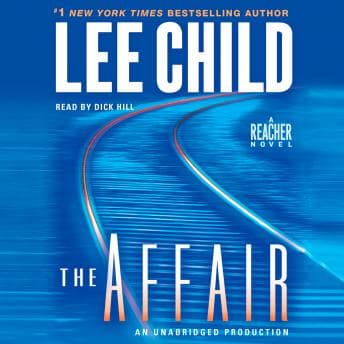
It's grunt work. Knocking on doors, pissing off the brass (Internal Affairs is always the enemy, some things never change), and following the paper trail. The friction between the LAPD and the FBI felt pretty accurate to the turf wars I've seen in real joint operations. Everyone wants the credit; nobody wants the blame. Dick Hill also narrates The Affair, where he brings that same grounded realism to military investigations and interagency friction.
The pacing drags a bit in the middle—lot of procedural red tape—but that's the job. It builds to a climax that actually feels earned, not just thrown in because the publisher needed an explosion.
Mission Debrief
Is it perfect? No. The female voices are a distraction, and it's got that early-90s grit that might feel dated to some. But as an introduction to a character? Top-tier.
Ranger (my Shepherd) usually falls asleep within ten minutes of my audiobooks. He stayed perked up for the last hour of this one. That's the highest endorsement I can give.
Who's this for: If you like your heroes flawed, your procedures realistic, and your history dark, grab this. Skip it if you need polished voice acting across the board or can't handle slower procedural stretches. Just bump the speed up a notch.