
What if everything you think you know about economics is based on vibes rather than actual cause and effect?
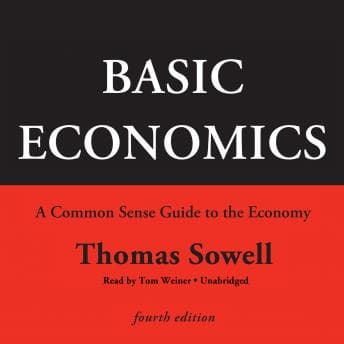
I started this one at 5:47 AM on a Tuesday, standing on a packed Caltrain platform in the fog, half-awake and clutching my coffee like a life raft. By the time we hit Millbrae, I was genuinely annoyed—not at Sowell, but at myself for not reading this a decade ago. This book is basically a systems architecture course but for how economies actually work.
The "Could've Been a Blog Post" Test: Spectacularly Failed (In a Good Way)
Let me be clear: this is 24 hours of content. That's roughly 16 one-way commutes for me. And I'm telling you—it earns almost every minute. Sowell has this maddening ability to take concepts I thought I understood (rent control, minimum wage, international trade) and systematically demolish my assumptions with historical examples and logical chains that actually hold up to scrutiny.
The fourth edition adds a chapter on the history of economics itself, which sounds dry but actually explains why so many economic "experts" get things catastrophically wrong. Sowell traces how ideas that failed spectacularly in practice somehow persist in policy debates. It's like watching someone debug a production system by reading the git blame history—suddenly the weird architectural decisions make sense.
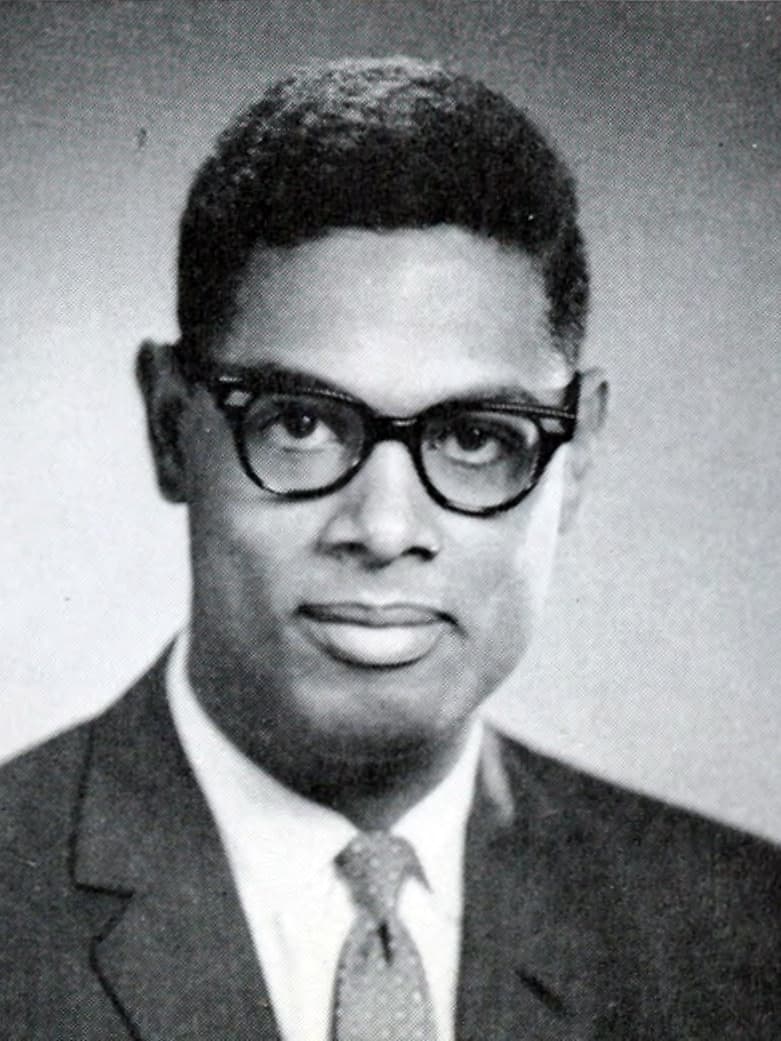
Tom Weiner narrates with the steady, professorial tone this material demands. He's not doing character voices or dramatic flourishes—this isn't that kind of book. What he does is maintain clarity through dense logical arguments without making you feel like you're being lectured at. At 1.5x, he's perfectly intelligible. I bumped to 1.75x for some of the more familiar territory (supply and demand basics) and it held up fine.
Where It Actually Changed How I Think
Here's the thing about Sowell—he's relentlessly empirical. He'll make a claim about, say, how price controls create shortages, and then cite what happened in New York with rent control, what happened in Zimbabwe with price controls on food, what happened in the Soviet Union with fixed prices on basically everything. The pattern recognition kicks in around hour 8 or 9, and suddenly you start seeing these dynamics everywhere. That same pattern-hunting satisfaction drove me through Little Book of Trading: Trend Following Strategy for Big Winnings, which applies similar cause-and-effect thinking to market behavior.
The section on third-party decision-making hit different for me as a software engineer. Sowell's core argument is that economic decisions work best when the people making them bear the consequences of being wrong. When you insert intermediaries—government agencies, corporate bureaucracies, well-meaning regulators—you break the feedback loop. Chimp Paradox explores a different kind of feedback loop—the one between your rational brain and emotional responses—but the core insight about direct accountability versus intermediated decision-making applies there too. It's basically the same reason microservices with unclear ownership become unmaintainable. The incentive structures get corrupted.
(Kevin asked why I was muttering about "incentive alignment" while making dinner. I tried to explain. He now regrets buying me this audiobook.)
The Commitment Level Is Real
I won't pretend this is easy listening. You can't zone out for twenty minutes and expect to follow the thread. Sowell builds arguments across chapters, referencing earlier examples to make later points. I had to rewind maybe a dozen times when my attention drifted or when a particularly loud Caltrain announcement interrupted a key point.
The production is straightforward—no music, no sound effects, just Weiner's voice. For this type of material, that's exactly right. Any production flourishes would be distracting.
Some sections drag. The international trade chapters, while informative, felt repetitive after a while—yes, I understand that tariffs hurt consumers, you can stop giving me examples now. And Sowell has a tendency to belabor points that he clearly finds important but that modern readers might already accept. The book was written for an audience that needed more convincing than I did on certain topics.
Who Should Commit 24 Hours to This
Perfect for: Anyone who wants to understand economic arguments well enough to actually evaluate them. Engineers who like systems thinking. People tired of political debates where both sides cite "economics" without understanding it.
Skip if: You're looking for light listening. If you want background audio while doing deep work, this isn't it—you'll either miss the content or mess up your code. Also skip if you want a balanced "both sides" presentation—Sowell has a clear free-market perspective and doesn't pretend otherwise.
Worth Your Commute
Bottom Line: The ROI on this audiobook is genuinely high if you're willing to pay attention. I finished it in about three weeks of commuting, and I've already referenced concepts from it in two separate conversations about tech industry regulation.
Is it perfect? No. It's long, it's dense, and Sowell's political leanings are obvious. But as a framework for thinking about economic cause and effect—for understanding why policies that sound good often fail and why markets do weird things that actually make sense—it's one of the most useful things I've listened to this year.
I'm now eyeing his "Applied Economics" as a follow-up. Kevin has been warned.