
I teach The Great Gatsby every year. The green light, the American Dream, the whole beautiful lie of reinvention. And I always tell my students - Fitzgerald was writing about something that never changes. The seductive power of someone who believes their own myth so completely that they make you believe it too.
Elizabeth Holmes is Jay Gatsby in a black turtleneck. I couldn't stop thinking about it.
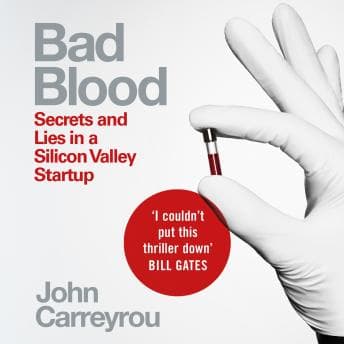
I started this during a particularly brutal week of parent-teacher conferences, walking the lakefront at 6 AM because I needed something to keep me sane. Eleven hours later - spread across morning walks, grading sessions, and one faculty meeting about standardized testing (sorry, Principal Martinez) - I was genuinely angry. Not at the book. At everyone who fell for this.
The Anatomy of a Con
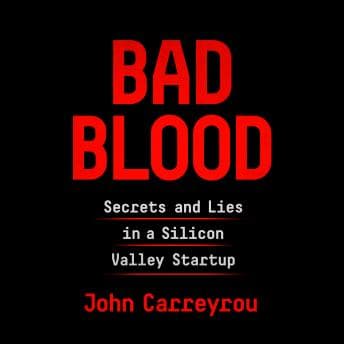
Here's the thing about Carreyrou's reporting: it reads like a thriller, but it's actually something more unsettling. It's a character study of complicity. Every chapter introduces another person who should have known better - scientists, board members, investors with more money than sense - and you watch them rationalize, defer, and look away.
The prose deserves to be savored. Carreyrou doesn't editorialize much. He doesn't need to. He just lays out the facts in this steady, accumulating way, and the horror builds on its own. It's the journalistic equivalent of letting the rope out slowly.
What struck me - and this is the English teacher talking - is how much of this story is about language. Holmes understood that if you control the narrative, you control reality. The fake Steve Jobs voice. The "trade secrets" excuse. The NDAs wielded like weapons. She built a world made entirely of words, and for years, it held.
My students would actually love this. (Don't tell them I said that.)
Will Damron Gets the Assignment
Damron's narration is smart in a way that matters for this material. He keeps his tone neutral - almost reportorial - which is exactly right. This isn't a story that needs dramatic readings or character voices. It needs clarity. It needs you to hear the facts and feel your own outrage building.
The pacing kept me hooked during what should have been boring stretches - board meeting details, technical explanations of blood testing, corporate restructuring. Somehow it all stayed urgent. That's partly Carreyrou's writing, but Damron's delivery sells it. He understands that pause is punctuation.
Some listeners have complained that the character differentiation isn't distinct enough - that when you're juggling dozens of sources and executives, it gets hard to track who's speaking. I see that. There were moments I had to rewind because I'd lost the thread of who was testifying about what. But honestly? I think the slightly flattened voices work thematically. Everyone in this story sounds the same because they all fell for the same lie.
What Carreyrou Is Really Saying
This is why we still read the classics, honestly. Because the patterns repeat.
The Theranos scandal isn't just about one sociopathic founder. It's about a culture that worships disruption so blindly that it stops asking basic questions. It's about how wealth insulates people from consequences. It's about how we confuse confidence with competence, and how we punish the people who speak up while rewarding the people who lie.
Carreyrou structures the book around the whistleblowers - Tyler Shultz, Erika Cheung, the lab directors who refused to sign off on bad results - and their sections hit different. These are people who had everything to lose and nothing to gain. They're the moral center of the story, and Damron's narration shifts slightly when he reaches them. More warmth. More respect.
If you loved Michael Lewis's work - The Big Short, especially - this is its spiritual successor. Short and Tragic Life of Robert Peace has that same quality of making you angry at systems that fail people who deserve better. Same DNA of following the money, same gift for making complex systems comprehensible, same slow-building dread as you realize how broken everything is.
Worth Pausing the Faculty Meeting For
At nearly twelve hours, this isn't a quick listen. Some sections drag - there's a middle stretch heavy on legal maneuvering that tested my patience. But the payoff is worth it. The final chapters, when everything collapses, are genuinely cathartic.
Denise asked me why I was so quiet after finishing it. I didn't have a good answer. Something about watching smart people choose not to see what's right in front of them. Something about how easy it is to become complicit.
My podcast listeners (all 47 of you, hi Mom) know I'm a sucker for books that work on multiple levels. This is investigative journalism, yes. But it's also a meditation on truth-telling in an age that doesn't value it. Carreyrou spent years on this story while Theranos lawyers tried to destroy him. That matters.
Who's this for? If you're interested in business, technology, or just want to understand how fraud works at scale - essential listening. If you need to believe smart people can't be fooled, or you want to feel better about humanity? Maybe skip it. I'm still processing.