
The "Quiet Car" Incident
Okay, let's get this out of the way first. If you see a woman in a Patagonia vest sobbing silently on the southbound Caltrain around 6:30 PM, please just look away. That was me.
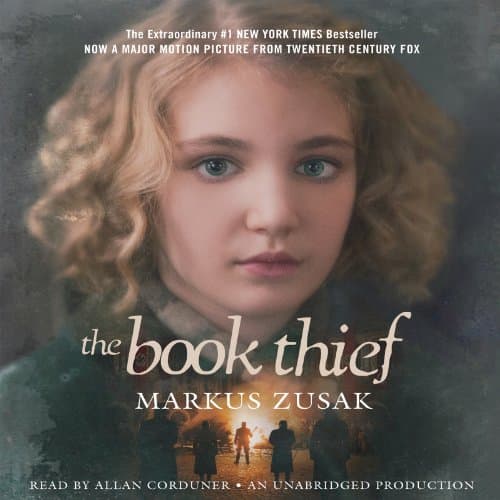
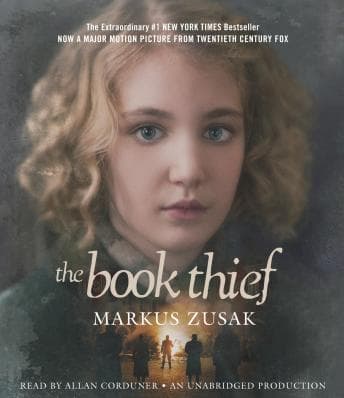
I usually reserve my commute for catching up on tech podcasts or re-listening to The Bobiverse for the tenth time (don't judge), but I decided to pivot to The Book Thief because it's been on my backlog forever.
Big mistake? Or best decision? I can't decide. I mean, I arrived at Mountain View emotionally compromised, but—wow. Just wow.
Death as Tired Middle Manager
Here's the hook: The narrator is Death.
And not the Grim Reaper with a scythe and a spooky reverb filter. This is Death as a tired, overworked middle manager who is fascinated by humans. Honestly? It's a brilliant architectural choice.
Allan Corduner is the voice actor here. I hadn't heard him before (I know, I know, I live under a rock), but the man is a precision instrument. His voice for Death isn't scary; it's... weary. Sardonic. Compassionate.
(Side note: I listened at my standard 1.5x speed. Corduner is a deliberate narrator—read: slow—so at 1.5x, he actually sounds like a normal person having a conversation. If you listen at 1.0x, you have more patience than I do. The throughput just isn't there.)
But the accents? Flawless. His German pronunciations are crisp—none of that fake Hollywood German where they just shout consonants. It adds this layer of immersion that makes the setting (Nazi Germany) feel terrifyingly real.
Latency and Pacing
I'll be real with you—the middle of this book drags a little. It's a 14-hour audiobook, and there were moments around hour 8 where I thought, "Okay, we get it, life is hard, let's move the plot."
It's not a thriller. It's not optimized for dopamine hits. It's a slow burn.
But here's the thing: that slowness is a feature, not a bug. It forces you to sit with Liesel (the protagonist) in the basement while bombs are dropping. It forces you to care about her foster dad, Hans, and his accordion. By the time the climax hits (and oh god, does it hit), the emotional payoff is massive because you put in the hours. The ROI on your time is huge, but you have to be patient.
System Failure (In a Good Way)
This isn't a book you can listen to while debugging distributed systems. I tried. I ended up staring at a blank terminal for twenty minutes because I was too busy worrying about a fictional Jewish fistfighter hiding in a basement.
It demands bandwidth.
Corduner does this thing where he shifts from the dry wit of Death to the terrified whisper of a child without missing a beat. It's jarring in the best way. He captures the "colors" of the sky that Death describes (it makes sense in context, promise) with this rich, evocative tone that actually made me pause my walk to the office just to listen to a description of clouds.
Me. Pausing. On a Tuesday morning. Unheard of.
Who Should (and Shouldn't) Listen
Look, if you want something to pump you up for a gym session, this ain't it. If you want a business book to tell you how to 10x your productivity, look elsewhere. Skip this if you need fast pacing or can't handle WWII-era emotional devastation.
But if you want a story that will absolutely wreck you and then put you back together slightly different than before? This is the one. The Tattooist of Auschwitz landed the same way for me—different war story, same emotional devastation.
Just... maybe don't listen to the last two hours in public. Unless you enjoy explaining to the conductor why you're crying over an accordion.