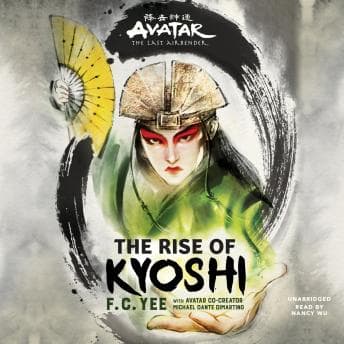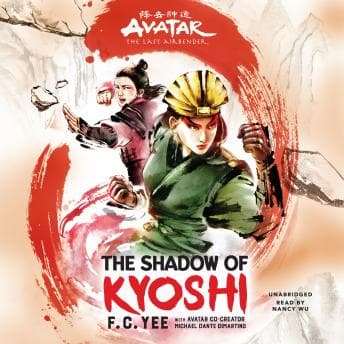

Look, I've been an Avatar fan since the original series aired and I was pretending to do homework in my parents' living room. So when these Kyoshi novels dropped, I was skeptical. Prequels can go so wrong. But F.C. Yee? The man gets it.
The Shadow of Kyoshi picks up after the gut-punch ending of Rise, and honestly, I wasn't ready. Kyoshi's mentors are gone. She's supposed to be this all-powerful Avatar, and she's just... grieving. Trying to hold together a political powder keg while dealing with spirits going haywire. It's darker than the animated series ever got, and I'm here for it.
The World-Building Is Sanderson-Level Good
Okay, maybe that's a bold claim. But hear me out. Yee doesn't just coast on the established Avatar lore—he digs deep into the political structures, the cultural tensions between nations, the way power actually works in this world. There's a whole conspiracy involving the Fire Nation's court that had me pausing my coding to actually pay attention. President Is Missing: A Novel hit me the same way with its political intrigue, though obviously in a very different setting. (Dr. Patel would be thrilled to know I can focus when I want to. Just... not on my thesis.)
The magic system stuff—sorry, bending system stuff—gets expanded in ways that make total sense but I'd never considered. Avatar State consequences? Actually explored. Spirit World mechanics? Way more complex than "angry spirit, punch it." This is the kind of worldbuilding that makes you want to take notes. My D&D group would absolutely steal half of this for our campaign.
Nancy Wu Walked So Other Narrators Could Run
I'd seen some folks online complaining about certain voices—the old man characters, some of the kids. And yeah, okay, I can see where they're coming from. But here's the thing: Nancy Wu's Rangi voice? Chef's kiss. The emotional beats she hits during the Kyoshi/Rangi scenes genuinely got me. I was walking across campus with my headphones in, probably looking like an idiot because I was definitely making faces at nothing.
Her pacing is consistent, which matters when you're listening during thesis-avoidance coding sessions. I never had to rewind because she rushed a crucial moment. And the character differentiation is solid—you always know who's talking, even when Yee's throwing five different political players at you in the same scene. Some narrators phone it in for YA fantasy. Wu doesn't. She's giving this the full dramatic treatment it deserves.
The Grief Hits Different
I wasn't expecting this book to punch me in the feelings as hard as it did. Kyoshi's dealing with loss in a way that feels real—messy, angry, complicated. She's making questionable decisions because she's hurting, and the narrative doesn't shy away from that. It's not the sanitized "sad for one episode then we move on" grief from the original show. It lingers.
There's violence here too. Not gratuitous, but definitely more intense than anything in the animated series. Kyoshi earns her reputation as the Avatar who didn't mess around, and you see why. If you're listening with younger kids around, maybe preview it first.
Roll for Initiative (Or Just Hit Play)
Already listened twice. (Don't tell my advisor.)
At 11 hours, it's a solid length for a week of commutes or—in my case—several marathon sessions of pretending to work on procedural generation algorithms. Audio quality is clean, no weird production issues, no background noise.
Who should listen: If you loved the original series and want something that takes the world seriously, this is it. Fans of complex political fantasy and actual consequences will eat this up. Who should skip: If you're sensitive to inconsistent voice work for minor characters or really need a full cast production, sample first.
F.C. Yee understood the assignment. Nancy Wu delivered. I'm just sitting here waiting for more Kyoshi content and ignoring my thesis deadline. Yes, it's 11 hours. Yes, it's worth it.