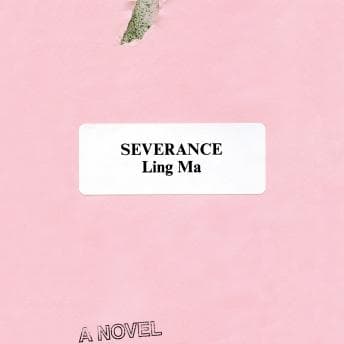

Okay, so I need to complain about something first. This book made me feel personally attacked—and not in the way you'd expect from an apocalypse story. No, Ling Ma went and wrote a whole novel about a woman who's basically sleepwalking through her life, going through the motions, doing the same things over and over because routine is safe. And I'm sitting in my car in the garage (don't judge, it's my sacred space) thinking... wait. Is this about me? Am I the zombie?
Because that's the thing about Severance. It's not really about a plague. I mean, yes, there's Shen Fever, and yes, people get infected and start repeating their daily routines until they literally die from it. But the real gut-punch is realizing that Candace—our protagonist—was already kind of doing that before the world ended. And honestly? Same.
Nancy Wu's Deadpan Is the Whole Point
Nancy Wu's narration is perfect for this book, and I mean that specifically. Her delivery is dry, a little detached, kind of sarcastic—which is exactly who Candace is. This isn't a narrator trying to make you feel things. This is a narrator who sounds like she's telling you about her day while also processing her parents' deaths and the end of civilization. The deadpan works.
Now, I've seen some reviews saying Wu sounds "robotic" and look—I get it. If you're expecting dramatic flair and big emotional moments, you might be disappointed. But I think those listeners missed the point? The flatness IS the point. Candace is numb. She's going through the motions. The narration reflects that perfectly.
One thing though—Wu's male character voices are... not great. Her Bob (the creepy IT guy turned cult leader, basically) has this raspy quality that some people found grating. I didn't love it either, but it didn't ruin anything for me. I was too busy being creeped out by Bob as a character to care much about his voice.
Survived 47 Pauses and Still Made Sense
This is huge for me. I listened to this during nap time (when Sophie actually napped, which was like 60% of the time) and during my morning drop-off runs. The book jumps between timelines—Candace's present-day survival journey with Bob's group, and flashbacks to her life before and during the fever spreading. Normally that kind of structure would lose me completely. But Ma writes in these distinct chunks that actually work for interrupted listening.
Each section feels contained. I could pause mid-chapter, deal with whatever toddler emergency was happening, come back two hours later, and still know exactly where I was. High praise from someone whose brain is 40% Bluey lyrics at this point.
The pacing is slow, I'll be honest. This isn't a thriller. It's literary fiction wearing an apocalypse costume. Cutting Season has that same literary weight—slow-burning and atmospheric in ways that stick with you. If you're looking for action and tension, you're in the wrong place. But if you want something that makes you think about capitalism and grief and what it means to just... keep going even when everything feels pointless? That's the vibe.
Immigrant Grief and Corporate Satire That Actually Lands
The immigrant family stuff got me. Candace's memories of her parents, especially her mother—there's this quiet sadness running through the whole book that I wasn't expecting. Ma writes about loss in this understated way that somehow hits harder than big dramatic scenes would.
And the satire? Chef's kiss. The way the book skewers corporate culture, the gig economy, our obsession with productivity—it's darkly funny without being preachy. That sharp social commentary reminded me of My Confession, which also manages to critique without lecturing. There's a whole subplot about Candace managing production of teen Bibles in China that sounds absurd but also feels completely real.
The ending is... fine. Some people hated it. I didn't love it, but I didn't hate it either. It's ambiguous in a way that felt appropriate for the story. Not everything gets tied up with a bow, which—fair. That's life.
Who's Going to Love This (and Who Should Skip It)
If you want fast-paced apocalypse survival with zombies and action sequences, skip this entirely. But if you're a literary fiction person who doesn't mind your end-of-the-world stories quiet and contemplative—or if you've ever felt like you're just going through the motions and want a book that gets that—this one's for you.
Nap Time Well Spent
I finished this in about a week and a half, which for me is practically speedrunning. At just under 10 hours, it's the perfect length—substantial enough to feel like you're reading something real, but not so long that you forget what happened at the beginning.
This isn't a comfort read. I want to be clear about that. It's not going to wrap you in a warm blanket and tell you everything's okay. But sometimes you need a book that makes you feel seen in your numbness, you know? That validates the going-through-the-motions-ness of everyday life while also gently suggesting maybe we should pay more attention.
Would I recommend it for book club? Absolutely—if you want actual discussion material. This book has layers. It's the kind of thing where everyone will have different takes and you could talk about it for hours. (Not that I have hours. But theoretically.)
Made me think at school pickup. Worth it though.