
Twenty-five fables in thirty minutes. That's basically a speed-run of ancient Greek wisdom, and honestly? Kind of perfect for what it is.
I threw this on while waiting for my D&D group to show up last Tuesday—you know that awkward twenty minutes where everyone's "five minutes away" but actually still in their apartments? This filled that gap perfectly. By the time our cleric finally rolled in (late as always, Brendan), I'd absorbed more moral philosophy than I had in the past month of actively avoiding my thesis.
The Original Worldbuilding Manual
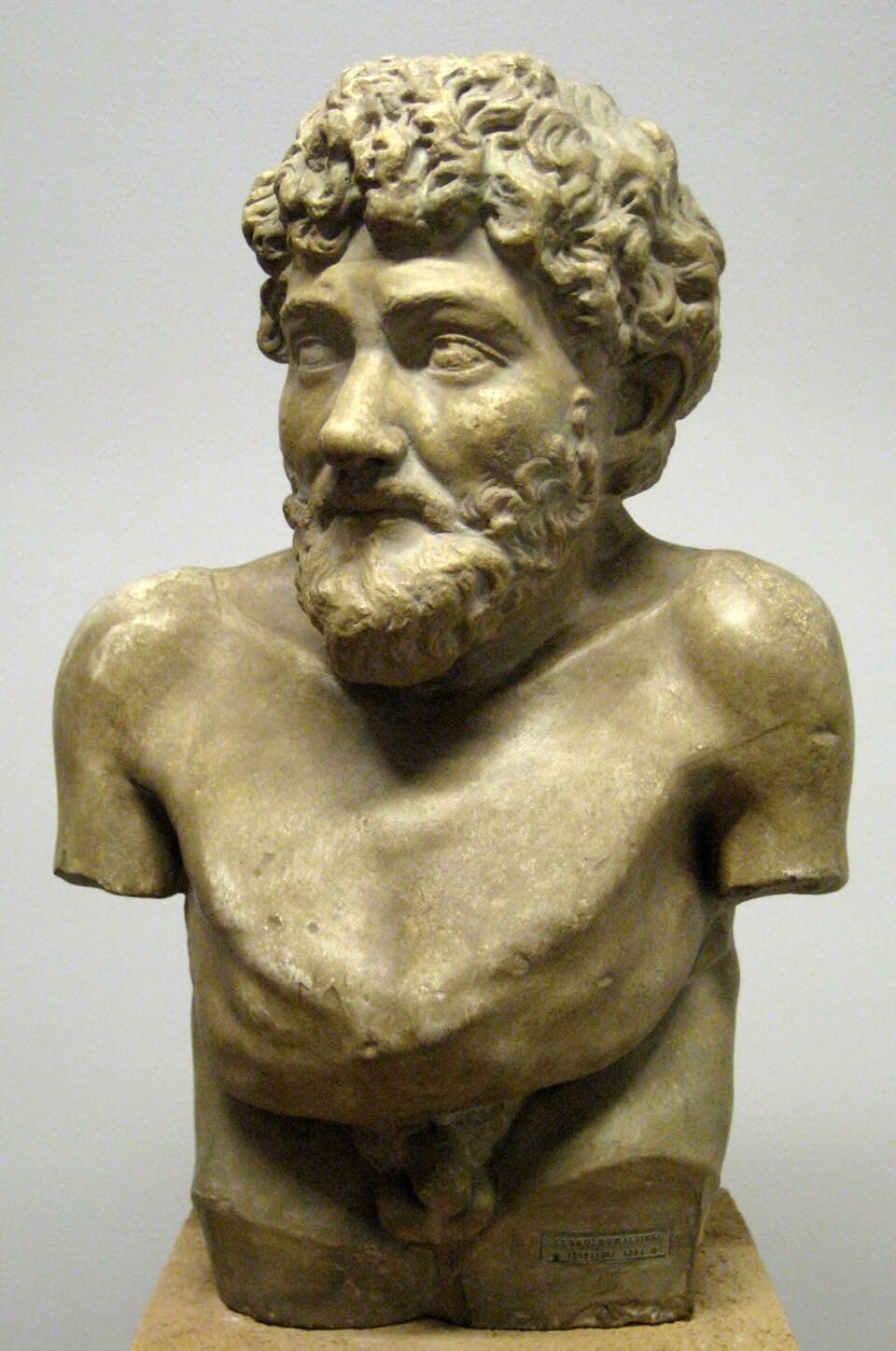
Here's the thing about Aesop that doesn't get enough credit—these fables are basically the ur-text of fantasy worldbuilding. Talking animals with distinct personalities and motivations? Check. Internal consistency in how the world operates? Check. Watership Down takes that same foundation and builds an entire epic out of it—rabbits with culture, mythology, and genuine stakes. Clear cause-and-effect storytelling? Double check. Sanderson didn't invent hard magic systems, people. Aesop was out here in 600 BC establishing that if a fox is clever in one story, he's clever in all of them. That's character consistency.
Fables 201-225 hit some classics I'd forgotten about and some I'd never heard. The variety keeps it moving—you've got your standard "pride goeth before a fall" stuff, but also some genuinely weird ones about wasps and partridges that feel like they came from a different campaign setting entirely.
The LibriVox Lottery
Let's talk about the elephant in the room—or I guess the fox, the crow, and the cheese in the room. This is LibriVox, which means you're getting volunteer readers. Multiple volunteers. For twenty-five separate fables.
So yeah, the audio quality varies. One reader sounds like they're recording in a proper studio, the next sounds like they're in their kitchen while the dishwasher runs. Some deliver the morals with genuine gravitas, others read like they're speed-running their assigned fable to get back to whatever they were doing before. It's a grab bag.
But here's my take—there's something almost fitting about it? These stories have been passed down orally for over two thousand years. They've been told by countless voices in countless contexts. Getting a dozen different LibriVox volunteers feels weirdly appropriate. It's like sitting around a campfire where everyone takes a turn telling a story. Some people are better storytellers than others. Kind of like how Taming of the Shrew works better with some performers than others—the text is solid, but delivery makes or breaks it. That's just how it goes.
(My D&D group would absolutely relate to this. We've got one guy who does full character voices and another who reads boxed text like he's reciting a grocery list.)
Bite-Sized Wisdom Hits Different
At thirty minutes total, you're averaging just over a minute per fable. This is not a commitment. This is barely a snack. And sometimes that's exactly what you need—quick little nuggets of "don't count your chickens before they hatch" energy between longer listens.
I've been grinding through a forty-hour epic fantasy (yes, it's worth it, don't @ me) and having something this short and punchy as a palate cleanser was genuinely refreshing. No elaborate magic systems to track. No seventeen-syllable character names. Just a tortoise, a hare, and a life lesson.
Queue This If You've Got Thirty Minutes to Kill
If you've got kids who need something educational but short—perfect. If you're a teacher or parent looking for discussion starters—this works. If you're a fantasy nerd like me who wants to appreciate the ancient roots of anthropomorphic storytelling—honestly, kind of a fun little exercise.
Skip it if you need polished, consistent production values. Skip it if you want something immersive. This isn't that. It's free, it's public domain, and it's recorded by people who volunteered their time because they love literature. Adjust expectations accordingly.
Roll for Wisdom (DC: Very Low)
Look, it's free and it's thirty minutes. The barrier to entry is essentially zero. The production is uneven but serviceable. The content itself has literally survived millennia for a reason—these stories work.
I'm not going to pretend this is some transcendent audiobook experience. It's not. But as a free way to revisit some foundational storytelling while you're waiting for your perpetually-late party members to show up? Yeah. It does the job. Sometimes the classics are classics because they're just... good. No elaborate worldbuilding required.