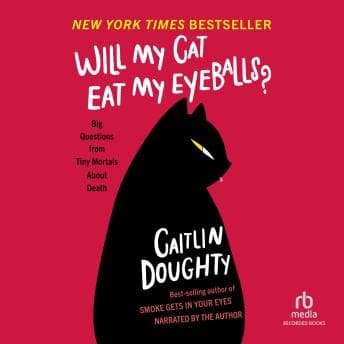

Three AM on a quiet night in the trauma bay. The kind of quiet that makes you nervous, so you're charting with one eye on the monitors and one ear on the hallway. And I'm listening to a mortician explain what happens to astronaut corpses in space while documenting a patient's bowel sounds. This is my life now.
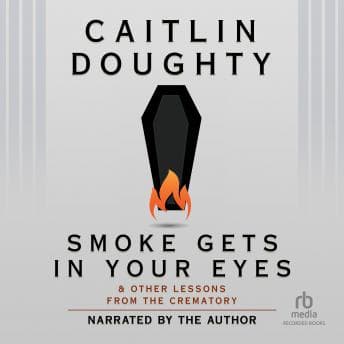
Caitlin Doughty's book answers the questions kids actually ask about death—the ones adults are too polite or too squeamish to voice. Do people poop when they die? (Yes. As someone who's actually worked a code, I can confirm this is one of the first things families don't expect.) Can you keep your friend's skull? What happens to bodies on airplanes? She tackles thirty-five of these with the enthusiasm of someone who genuinely loves her weird job.
Finally, Someone Who Gets the Body Right
The medical details are accurate. Finally. Doughty explains decomposition with the precision of someone who's actually watched it happen, not someone who Googled it for a thriller novel. When she describes the gases that build up in a body, the timeline of rigor mortis, the way skin slips—she's not dramatizing. She's reporting. I found myself nodding along during my drive home, which probably looked concerning to other drivers at 7 AM.
She addresses the "do bodies sit up" question with the kind of specificity I wish medical shows would use. Spoiler: they don't sit up dramatically like in horror movies, but they do shift and groan as gases escape. I've seen this. It's unsettling even when you know the science. Doughty makes it... not less unsettling, but understandable. There's comfort in understanding.
Kids Ask Better Questions Than Adults
The framing device here is genius. These are actual questions from children, and kids have zero filter. Adults ask "what happens when we pass away" in hushed tones. Kids ask "if I eat my dead grandma's ashes will I poop her out?" Doughty treats both with equal respect, which is honestly refreshing.
She doesn't talk down to the kids or sanitize the answers. When a child asks about Viking funerals for grandma, Doughty explains the legal complications, the fire marshal's concerns, the sheer amount of wood required to actually cremate a body on a pyre. It's practical information delivered with genuine warmth. That same blend of warmth and unflinching honesty shows up in Rules Do Not Apply, where Ariel Levy tackles mortality and loss without any of the usual euphemisms. My mom would love this—she's the type who's already planned her funeral down to the catering menu.
Author-Narrated and It Shows (In a Good Way)
Doughty reads her own work, and you can hear the YouTube personality bleeding through. If you've watched her Ask a Mortician videos, you know the voice—that slightly sardonic, almost gleeful tone when discussing something particularly gruesome. Her sarcastic emphasis lands perfectly because she wrote these jokes. She knows exactly where the punchlines are.
At 4 hours 30 minutes, this is perfect post-shift decompression material. Short enough to finish in a few drives, light enough that your exhausted brain can follow along, but substantive enough that you're actually learning something. Carlos asked why I was laughing in the driveway at 7:15 AM. I told him I was learning about medieval embalming techniques. He just nodded and went back to making coffee. Fifteen years of marriage to a night shift nurse will do that to a person.
The Death Positive Thing Actually Works
I was skeptical about the "death positive movement" branding. In my line of work, death is neither positive nor negative—it just is. It's the thing that happens when we run out of options, or when options were never really there. But Doughty's approach isn't toxic positivity about mortality. It's more like... aggressive normalization. Death is weird and gross and fascinating and inevitable, so why are we so afraid to talk about it?
She discusses how different cultures handle death, the history behind embalming practices (blame the Civil War), why American funeral homes look the way they do. It's social history wrapped in biology wrapped in dark humor. The kind of thing that makes you want to text your siblings about your burial preferences, which I did. My brother responded with "please stop texting me about corpses at 6 AM."
Who's This For (And Who Should Keep Scrolling)
This is for anyone who's ever wondered about the logistics of death without wanting to ask a professional. Parents whose kids are asking hard questions. Healthcare workers who want to laugh at something work-adjacent. People who find comfort in understanding the mechanical reality of mortality. Night shift approved—it's engaging enough to keep you awake but not so intense that it'll spike your cortisol.
Skip if you're currently grieving or if graphic descriptions of decomposition will genuinely upset you. Doughty is respectful, but she's also honest, and honest descriptions of what happens to bodies aren't for everyone.
Night Shift Prescription
I yelled at my dashboard exactly zero times during this one. No medical inaccuracies to correct, no dramatic misrepresentations of how bodies work. Just a mortician explaining her job to curious kids with the same matter-of-fact energy I use when explaining wound care to nervous family members. Informative, unexpectedly comforting, and weird in all the right ways. The kind of book that makes you feel slightly more prepared for the inevitable—and slightly more okay with not being okay about it.







![Steve Jobs [unabridged audiobook] audiobook cover](/_next/image?url=https%3A%2F%2Fcovers.audiobooks.com%2Fimages%2Fcovers%2Ffull%2F9788499923406.jpg&w=1920&q=75)