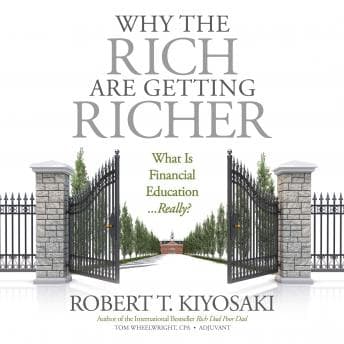

I have a complicated relationship with Kiyosaki. On one hand, he shatters the illusion that a high salary equals wealth—something I spent 8 years at McKinsey trying to explain to consultants making $200k who were technically broke. On the other hand, the man loves to repeat himself. I listened to this on a flight to San Francisco, somewhere between a glass of cheap airline Merlot and a turbulence patch over Nevada.
The "Debt is Good" Sermon
Here's the thing about Kiyosaki: he's aggressive. He tells you that everything your parents taught you—save money, buy a house, get out of debt—is garbage. Growing up in a Korean household where debt was treated like a moral failing, this always hits a nerve. My parents ran a dry cleaning business on cash and sweat. They wouldn't touch a loan with a ten-foot pole. Kiyosaki argues that's exactly why they worked until they dropped. (Ouch, Robert. Too soon.)
The core thesis here is actually solid, though. It's about tax incentives and phantom income—the stuff we charge startup founders $500 an hour to structure. But he takes 7 hours to say what could be said in two. He brings in his tax advisor, Tom Wheelwright, which adds actual meat to the bone. The sections on tax law are the real ROI here. The rest? A lot of "schools are broken" rhetoric we've heard since 1997.
Second Chance has the same Kiyosaki drumbeat, which is either useful repetition or financial waterboarding depending on your patience level.
Scott Merriman Sounds Like He Just Closed a Deal
Merriman nailed the vibe. He sounds like that confident friend who just closed a commercial real estate deal while you were stuck in traffic. Professional, slightly smug (in a good way)—it fits Kiyosaki's writing perfectly.
Usually, business books put me to sleep—literally, Jenny finds me passed out with my AirPods in on the couch. But Merriman keeps the energy up. He handles the transition between Kiyosaki's grandstanding and Wheelwright's technical tax stuff well. I cranked him up to 2.5x during the repetitive parts and he was still crystal clear. That's a win.
Who Gets Value Here (And Who Doesn't)
If you've never read Rich Dad Poor Dad, go read that first. This is the graduate level course—or maybe just the extended director's cut. The real estate rabbit hole gets a more tactical treatment in Real Book of Real Estate, which feels less like a sermon and more like a room full of operators swapping scars. It's useful if you're actually ready to leverage debt and play the tax game. If you're looking for basic budgeting tips, this will terrify you. Skip it and start with the fundamentals.
The Bottom Line on Your Time Investment
Is it perfect? No. It's repetitive and preachy. But is there a nugget of gold in the middle chapters about depreciation that might save you five figures? Yeah, probably. Just keep your finger near the skip button.