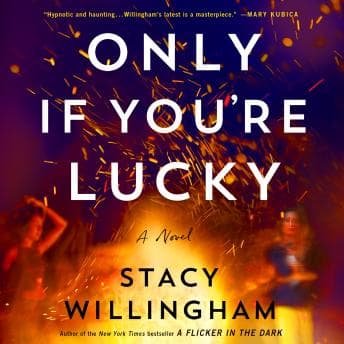
Three AM. The unit was finally quiet—that dangerous kind of quiet where you're afraid to even think the Q-word. I had my charting open, earbuds in, and this book playing. Bad idea. Terrible idea, actually. Because when the twist hit about halfway through, I gasped loud enough that my charge nurse came running thinking a patient had coded.
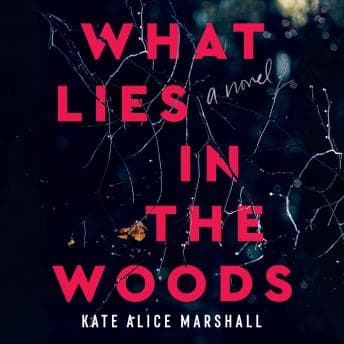
Look, here's the thing about thrillers set around childhood trauma and decades-old secrets: they can go real wrong, real fast. Either they're exploitative or they're so careful they become boring. Kate Alice Marshall walks that line like she's been doing it her whole career. Three little girls who lied to put a man in prison. One of them stabbed seventeen times. And now, twenty-two years later, someone wants to tell the truth.
Seventeen stab wounds. As someone who's actually worked a code on stabbing victims, that number made me sit up straight. That's not survivable in most cases. The book knows this. Naomi knows this. The way Marshall weaves her survival into her identity—the scars, the way people look at her, the way she's been frozen at eleven years old in everyone's memory—it felt uncomfortably real.
Karissa Vacker Knows How to Keep Secrets
I'd listened to her before in something forgettable, but this? This is the performance that'll make me seek her out. She's got this throaty quality to her voice that works perfectly for Naomi—a woman who's been carrying secrets so long they've become part of her bones. The pacing is spot-on. She knows when to slow down during the creepy Goddess Game flashbacks and when to push through the present-day investigation.
Some reviewers mentioned she whispers sometimes. Yeah, she does. And honestly? It worked for me. There are moments in this book that shouldn't be spoken at full volume. Secrets that feel like they're being told in the dark. But I get why it might not work for everyone—if you're listening in a noisy environment or have any hearing issues, you might want to bump up the volume during those parts.
The character voices are distinct without being cartoonish. Cassidy sounds different from Olivia. The men are a bit less differentiated, but that's a minor thing. What really impressed me was how Vacker handled the unreliable narrator aspect. You can hear the hesitation, the moments where Naomi is editing herself, deciding what to tell you. That's not easy to pull off.
When Childhood Games Turn Deadly
The Goddess Game stuff could've been ridiculous. Three girls playing make-believe in the woods, creating rituals and ceremonies. But Marshall makes it feel real because that's what kids do. They create worlds. They make up rules. And sometimes those worlds become prisons.
I kept thinking about my own kids while listening. They're younger, but they've got their own secret languages and games. The idea that something could happen—that they might see something, lie about something, and carry it for decades—it got under my skin in a way I wasn't expecting.
The mystery itself is layered. Every time I thought I knew where it was going, Marshall pulled another thread. Is the man they convicted actually guilty? What really happened that day? And why does Olivia want to tell the truth now, after all these years? I won't spoil it, but the ending made me sit in my car for an extra ten minutes after my shift, just processing.
Who's This For (And Who Should Skip)
This is an eleven-hour listen, and it doesn't drag. I got through it in about four night shifts worth of charting and two drives home. The pacing is tight—Marshall knows how to end chapters on hooks that made me "just one more chapter" myself into sleep deprivation more than once.
Carlos asked why I looked so stressed when I got home one morning. I blamed a difficult patient. Really, I'd just finished a section where Naomi goes back to the woods and—nope, not spoiling it. But my heart rate was definitely elevated.
Listen if you like psychological thrillers with actual psychology in them. Fans of Tana French's ability to make childhood feel both magical and menacing will find a lot to love here. That same trust in the reader shows up in Nine Perfect Strangers, though Moriarty takes it in a completely different direction. Skip if you need your thrillers fast and action-packed—this one's more internal. There's violence, but most of it is remembered rather than shown. And if unreliable narrators frustrate you rather than intrigue you, maybe pass.
The medical details, by the way? Accurate enough that I didn't yell at my dashboard once. Seventeen stab wounds, long-term physical and psychological effects, the way trauma lives in the body—Marshall did her research or talked to someone who knows. Finally.
Shift Change
Night shift approved. Just maybe don't listen during a quiet moment on the unit. Your coworkers will thank you.