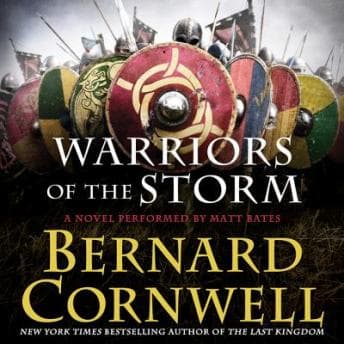

"Destiny is all." Uhtred says it again somewhere around the four-hour mark, and I found myself nodding along while grading a stack of sophomore essays about The Great Gatsby. (Nick Carraway never had to worry about Viking raids, but honestly? Some of my students' interpretations feel equally chaotic.)
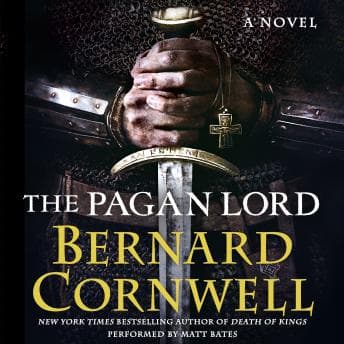
Look, I came to Bernard Cornwell late. My wife Denise started the TV series, I got hooked, and now I'm nine books deep into this saga about the making of England. Warriors of the Storm caught me during a particularly brutal week of parent-teacher conferences, and there's something deeply satisfying about listening to shield walls and political betrayal while smiling politely at parents who want to know why their kid got a B-minus.
The Narrator Question Nobody Wants to Ask
Here's the thing about Matt Bates: he's not Jonathan Keeble. And if you've been with this series from the beginning with Keeble's narration, that transition stings a little. I get it. But Bates brings something different—a warmth that works surprisingly well for Uhtred at this stage of his life. The man is older now, more reflective, and Bates captures that internal conflict with real care.
Does he mispronounce "Ragnar"? Yeah. It's distracting the first few times, I won't lie. My students would call this a "continuity error" and they'd be right. But here's what I kept coming back to: Bates individualizes the characters in ways that matter. You can hear the difference between Aethelflaed's measured authority and Edward's more uncertain kingship. That's craft.
The battle scenes are where some listeners check out, and I understand why. Bates doesn't have the theatrical punch that some narrators bring to combat. But honestly? I found the slightly more measured approach gave me room to appreciate Cornwell's prose. The man writes violence like poetry. "We made a slaughter"—that line hit different when I wasn't being shouted at.
Why Cornwell Still Works After Nine Books
I teach kids who think anything written before 2010 is ancient history. But Cornwell does something that most historical fiction fails at: he makes the politics personal. Uhtred's daughter is married to the brother of his enemy. That's not just plot mechanics—that's the kind of impossible family drama that Shakespeare would've loved.
The fragile peace between Wessex, Mercia, and East Anglia feels remarkably relevant. Alliances based on convenience. Leaders who won't leave their fortifications because safety feels better than action. Edward and Aethelflaed's reluctance to commit forces isn't just historical accuracy—it's human nature. I've seen the same dynamic in faculty meetings. (Principal Martinez, still not listening to your budget presentations.)
Cornwell's accessible style gets criticized sometimes by literary snobs who want more complexity. But accessibility isn't simplicity. This is immersive historical storytelling that trusts readers to follow political intrigue without dumbing it down. My AP students could learn something from his sentence construction—clear, propulsive, every word earning its place.
The Slow Burn That Pays Off
Twelve hours is a commitment. I spread this across two weeks of lakefront walks and late-night grading sessions. The pacing isn't always fast—there are stretches where Cornwell is building, layering, setting up dominoes. If you need constant action, you might zone out during the political maneuvering.
But when those dominoes fall? Worth it. The gathering threat of Ragnall Ivarson and his alliance with the Northumbrians creates genuine tension. You feel the walls closing in. And Uhtred—aging, conflicted, still the greatest warrior these kingdoms have—has to navigate loyalty and ambition without an easy path.
This is why we still read the classics, honestly. Not because they're old, but because they capture something true about human nature. Jane Eyre does that same work—stripping away the fancy language to get at what duty and independence actually cost a person. Cornwell isn't writing literature with a capital L, but he's writing stories that matter. Stories about what we owe to family versus duty. About whether violence can ever build peace.
Who This Is For (And Who Should Skip It)
If you're already invested in the Last Kingdom series, this is essential. Nine books in, you're either committed or you're not. New to Uhtred? Start at the beginning—you'll miss too much context jumping in here, and the payoffs won't land.
Commuters, this is perfect. Clean production, clear pacing, no weird audio issues. I listened at 1.0x because the prose deserves to be savored, but 1.25x would work if you're in a hurry. Skip this one if mispronunciations genuinely ruin your experience—the Ragnar thing is real and it's recurring. But if you can get past it, Bates delivers something solid. Not flashy. Solid.
Class Dismissed
Denise asked me what I was listening to last week. I tried to explain Uhtred's situation—the daughter married to the enemy's brother, the kings who won't fight, the impossible choices. She said it sounded like a soap opera with swords. She's not wrong. But it's a really good soap opera with swords, and Matt Bates tells it well enough that I'll be back for book ten.