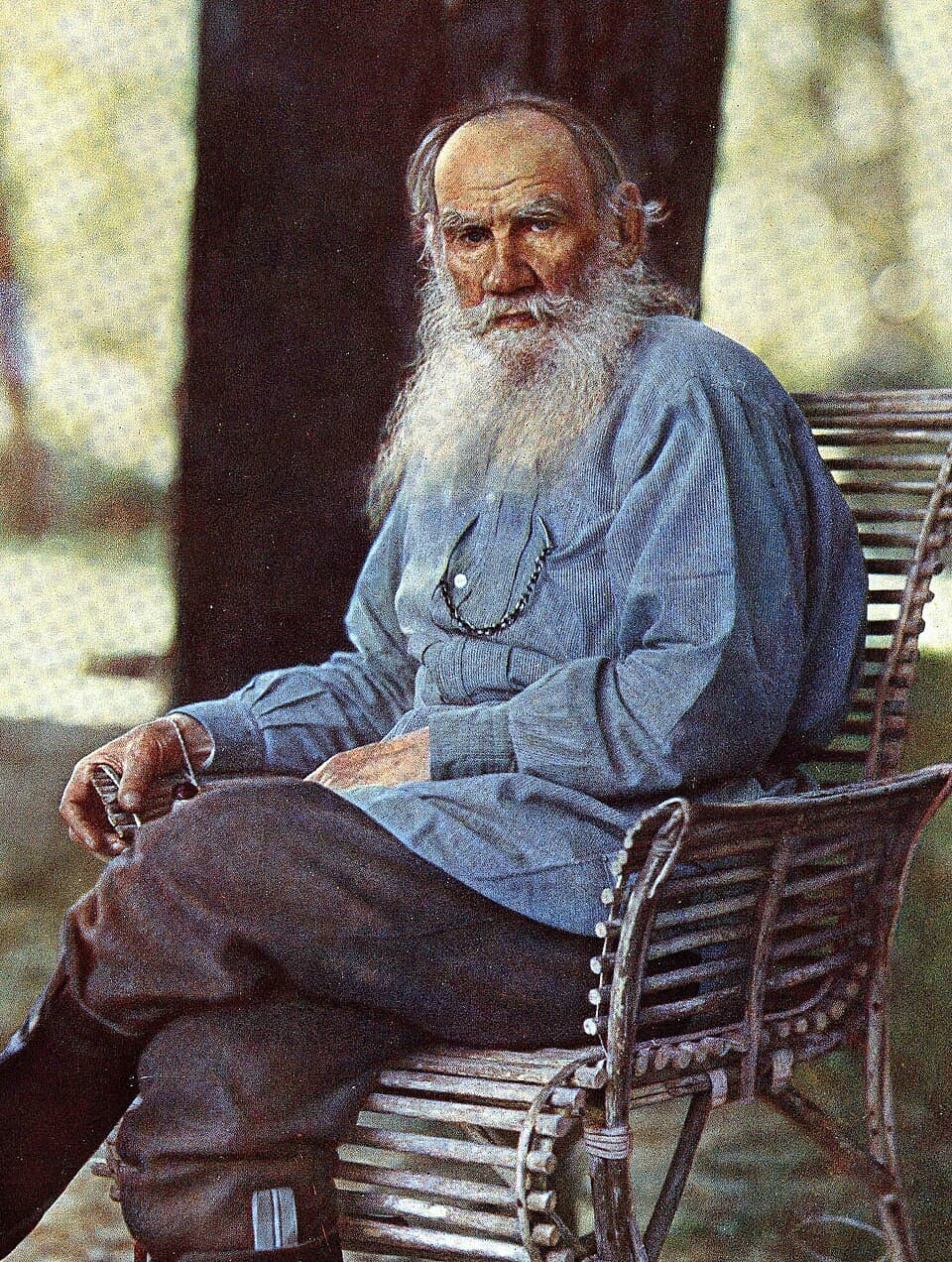

Look, I've been teaching Tolstoy for two decades. I've watched countless students' eyes glaze over at the mere mention of War and Peace. And here I am, walking the Chicago lakefront at 6 AM, listening to LibriVox volunteers tackle Book Two of the thing. The irony of experiencing Russia's greatest novel through a patchwork of amateur voices while dodging joggers and goose droppings is not lost on me.
But here's the thing - it kind of works? Sort of?
The Beautiful Mess of Volunteer Narration
LibriVox is what happens when passionate people with microphones decide the classics should be free. Noble mission. Uneven execution. You'll get one narrator who absolutely nails Prince Andrei's disillusionment with military glory, and then the next chapter switches to someone reading like they're trying not to wake a sleeping baby. The whiplash is real.
I couldn't find detailed information about which specific volunteers handled which sections, but based on this recording - some of them genuinely understand what Tolstoy is doing. The way certain readers handle the battle scenes, letting the chaos breathe without rushing through it, that's interpretive work. That's someone who gets that Tolstoy isn't just describing Austerlitz, he's dismantling the mythology of war itself.
Then you hit a section where the pacing goes completely flat. Monotone delivery. Russian names pronounced three different ways. (My students would be thrilled to know even the narrators struggle with Bolkonsky.)
What Tolstoy Is Really Doing Here
Book Two covers 1805 - the Austrian campaign, the Battle of Austerlitz, young Nikolai Rostov's first taste of combat. This is Tolstoy at his most cinematically brutal. He's not glorifying war. He's showing you the gap between what soldiers imagine battle will be and what it actually is. The confusion. The terror. Road does something similar with survival—stripping away the mythology to show what people actually become under pressure. The way grand strategy dissolves into individual men running for their lives.
The LibriVox approach - multiple voices, inconsistent quality - accidentally mirrors something about the text itself. War isn't one coherent narrative. It's fragments. Prince works the same way—Machiavelli's fragmented chapters on power feel like scattered field reports from different campaigns. Perspectives that don't quite match up. Maybe I'm being too generous here. (Denise says I do this. She's probably right.)
At 4 hours and 39 minutes, this is a manageable chunk of the larger work. You're getting one slice of the epic, which makes the volunteer format more digestible than trying to absorb all fifteen books this way.
The Free Classic Dilemma
Here's my honest take: if you want the definitive War and Peace audiobook experience, this isn't it. Professional recordings exist. They're expensive. They're also consistent.
But LibriVox represents something I find genuinely moving - people giving their time to make literature accessible. One listener quote stuck with me: "If you're unhappy with the way this book was recorded, you can volunteer to re-record it yourself." That's the deal. It's community-built. It's imperfect. It's free.
For my podcast listeners (all 47 of you, hi Mom), this is actually a decent entry point if you've been intimidated by the full novel. You get the 1805 military campaign as a standalone piece. You hear Tolstoy's prose - even through uneven delivery, the brilliance comes through in places. The writing survives.
I listened at 1.0x because slowing down for Tolstoy is the point. The author chose those words. The volunteers chose to read them. The least I can do is actually hear them.
Who Should Queue This Up (And Who Should Skip)
If you're a classics enthusiast who can tolerate inconsistency, this works. Curious about Tolstoy but not ready to commit to a professional 60-hour recording? Low-stakes way to test the waters. But if you need polished, consistent narration to stay engaged - honestly, read instead. Or spring for a professional version.
My students would absolutely hate this. Too slow, too uneven, too much patience required.
Professor's Final Grade
I listened to the whole thing. Twice. The second time during faculty meetings. (Sorry, Principal Martinez. The Battle of Austerlitz was more compelling than the budget presentation. It just was.)