
I started this one during a solo drive back from visiting my parents in New Jersey. Four hours of I-95, a thermos of chai my mother insisted I take, and a story about how a man becomes a monster. The psychological timing was perfect, honestly.
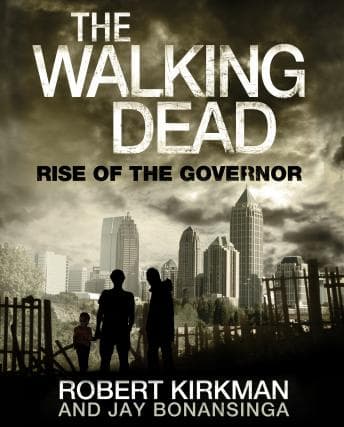
Here's the thing about villain origin stories: they're basically case studies in moral decay. And The Governor? He's one of the most fascinating subjects I've encountered in zombie fiction. Not because he's complex in some literary way, but because the book actually tracks the incremental steps of his psychological deterioration. Each compromise he makes, each line he crosses—it follows a pattern I've seen in research on moral disengagement. The authors understand that monsters aren't born. They're made through a series of small surrenders. That same fascination with psychological unraveling is what drew me to Works of Edgar Allan Poe, Raven Edition, Volume 2, though Poe's descent into madness is more poetic than procedural.
Two Brothers, One Apocalypse
What grabbed me immediately was the relationship between Philip and Brian Blake. Two brothers, one dominant and aggressive, one passive and anxious. Classic sibling dynamic stuff. But watching how trauma reshapes their roles? That's where the book gets genuinely interesting from a behavioral perspective.
The protagonist exhibits classic trauma response patterns—hypervigilance, emotional numbing, increasingly rigid thinking. And the Penny storyline (if you know, you know) shows exactly how grief can warp protective instincts into something pathological. The whole dying sequence was emotionally devastating in a way I wasn't prepared for. I actually had to pull over at a rest stop. Partly because I needed coffee. Mostly because I needed a minute.
Does the book sometimes hit you over the head with its themes? Yes. The first half drags in places—there's a lot of wandering and surviving and wandering some more. But the payoff in the second half? Worth the slow burn.
Fred Berman Knows How to Build Dread
Based on his performance here, the man understands atmosphere. His voice modulation is subtle—he doesn't do big theatrical shifts between characters. Instead, he adjusts tone, cadence, pacing. Philip sounds different from Brian not because of some exaggerated accent, but because of the tension in his delivery.
The emotional moments hit harder because Berman doesn't oversell them. When things get dark (and they get very dark), he lets the silence do work. That restraint is rare. Most narrators in horror want to lean into the gore, the shock. Berman trusts the material.
That said, some listeners found his pacing uneven. I get it. The deliberate approach works for building atmosphere, but if you're expecting the TV show's energy, you might feel restless. I'd recommend 1.25x speed if you're listening during a commute and need things to move.
Who Should Listen (And Who Should Skip)
If you're coming to this expecting new lore that changes everything you know about The Walking Dead universe—temper those expectations. This is a character study dressed up as a zombie novel. The action is secondary to watching a man rationalize increasingly terrible decisions.
Best for: Walking Dead fans who want to understand the Governor's psychology. Horror listeners who appreciate slow-building dread over jump scares. Anyone interested in how ordinary people become capable of extraordinary cruelty. (My therapist would have thoughts about why I find this compelling. We're working on it.)
Skip if: Graphic violence is a hard no for you. This book earns its content warnings. Also skip if you need constant action—there are stretches where not much happens except survival logistics and character development.
The production quality is clean, professional, no weird audio issues. Perfect Halloween listen, honestly. Though I finished it in late October and spent the rest of the week analyzing why I found the villain more sympathetic than I should have.
The Case Study Closes
Psychologically, that tracks. That's exactly what a good origin story should do.