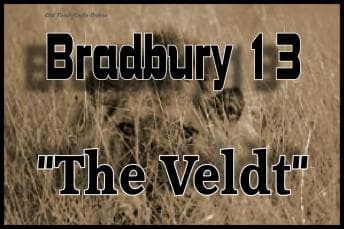

Look, I have a bone to pick with whoever decided the narration style for this version of The Veldt. Thirty minutes. That's all this story asks of you—basically the length of my walk from Caltrain to the office—and yet somehow the '50s sitcom energy in the delivery kept yanking me out of what should be genuinely unsettling material.
Let me back up.
The Lions Are Still Hungry After 70 Years
Bradbury wrote this in 1950, and the premise still hits different in 2024. A smart home nursery that projects whatever the kids imagine. Parents who've outsourced every aspect of child-rearing to technology. Children who've formed a deeper bond with their virtual reality African veldt—complete with very real-feeling lions—than with their actual parents.
I finished this at 6:47 AM, standing on the platform at 4th and King, and I swear I looked at every kid with an iPad differently for the rest of the day. The virtual savanna with its man-eating lions isn't even the scary part. It's the children's cold, calculating obsession. The way they've essentially replaced their parents with a simulation. The locked nursery door. The screams.
This is basically Black Mirror but written when computers filled entire rooms. That same prophetic dread shows up in Brisingr, though Paolini's exploring what happens when magic replaces human connection instead of technology. Bradbury predicted VR parenting gone wrong before we had VR. Before we had the internet. Before we had anything except the terrifying clarity of a writer who understood that humans will always find ways to let technology raise their kids.
The Narration Problem (And Why It Matters)
Here's where I get conflicted. The "Various Readers" credit is doing a lot of heavy lifting—there are apparently full cast dramatizations floating around that nail the eerie tone. But the version I got? The delivery felt weirdly... cheerful? Like someone reading a bedtime story about a family vacation, not about children who may or may not be feeding their parents to imaginary-but-actually-deadly lions.
One reviewer nailed it when they said it felt like "50's sitcom" narration. That's exactly the problem. You've got this prescient, chilling tale about technological dependency and parental obsolescence, and the voice sounds like it should be introducing a segment about the wacky neighbor borrowing a cup of sugar.
The story carries itself—Bradbury's prose is campfire-storyteller good even when read aloud by someone who doesn't quite catch the vibe. But man, imagine what Ray Porter could do with this material. The tension when George and Lydia Hadley realize their children might actually want them dead? The dawning horror as the nursery locks behind them? It deserves a narrator who understands that this isn't science fiction—it's a horror story wearing a sci-fi costume.
The ROI Calculation
Thirty minutes. That's the entire runtime. You could listen to this twice during a single commute and still have time for half a podcast. The time investment is basically nothing.
But here's the thing about short fiction in audio form: the narrator matters MORE, not less. There's no time to adjust, no gradual acclimation period. You're either in the story or you're not. And with the tonal mismatch in this version, I kept getting pulled out right when I should've been pulled in.
Listen if: you want a quick, focused experience—maybe during a solo lunch at your desk—and you're okay with narration that doesn't match the material's darkness. Skip if: you need background audio (this demands attention) or tonal mismatch in narration drives you up a wall.
Debug Complete: Worth Running, Needs a Patch
The psychology holds up. We're living in Bradbury's nightmare, just with iPads instead of holographic nurseries. Kids whose digital lives feel more real than their analog ones. Parents who've automated themselves out of relevance. The veldt is here, and we built it.
I finished this in one commute segment and immediately wanted to find a better-narrated version. That's either a compliment to Bradbury's writing or an indictment of this particular audio production. Probably both.
Quick Verdict: Worth your commute. Classic Bradbury that predicted our screen-addicted parenting dystopia, but hunt for a full-cast dramatization if you can—this version's tone doesn't match the material's darkness.