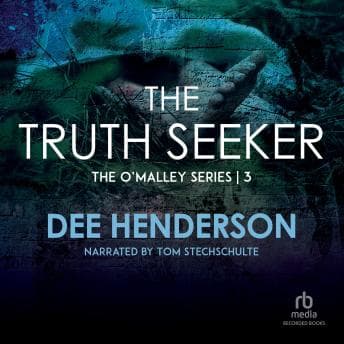

Lisa O'Malley is a forensic pathologist who doesn't believe in God, and she's staring down evidence of the Resurrection like it's another body on her table. That tension? That's where this book lives.
I finished this one at 2 AM with Diego curled on my lap and mascara streaks I didn't bother wiping away. Frida judged me from the bookshelf. She always does.
When Science Meets the Cross
Here's the thing about Christian romance that usually makes me roll my eyes—the faith journey often feels like a checkbox. Character doubts, character prays, character believes, the end. But Lisa's approach to faith through her forensic lens? Dee Henderson actually commits to the bit. Lisa examines the Resurrection the same way she'd examine cause of death. She wants evidence. She wants logic. She's not going to believe because someone told her to feel something.
And okay, I'm not religious (Abuela would be lighting candles for my soul right now), but watching a scientist character wrestle with faith without the narrative dismissing either her skepticism OR the spiritual element—that's rare. That's interesting. The book respects her enough to let her doubt without punishment.
Quinn Diamond and the Art of Loving Someone Difficult
Quinn is a U.S. Marshal who's already in love with Lisa from the previous book, and his whole deal is wanting to protect her while she keeps running toward danger. Classic setup, right? But Henderson writes his frustration with such tenderness. He doesn't try to cage her. He just... worries. Loudly. That kind of mutual respect shows up beautifully in Sense and Sensibility, where Austen lets her women stay complicated even when they fall in love. And Lisa doesn't soften herself to make him comfortable.
Their dynamic isn't explosive chemistry—it's quieter than that. It's the kind of love that shows up in small moments. Him bringing her coffee during an investigation. Her actually telling him when she's scared. The vibes are immaculate in a Sunday-afternoon-on-the-couch kind of way, not a rip-your-clothes-off way. (If you want spice, this ain't it. This is sweet tea, not tequila.)
Tom Stechschulte's Voice Is a Worn-In Leather Chair
The man won an Audie for a reason. His narration has this steady, grounded quality that works perfectly for the suspense elements—when Lisa goes missing in the final act, his pacing shifts just enough to make your stomach drop. He handles the spiritual conflict scenes with real weight. You can hear Lisa's resistance in his voice, and then the crack when she starts to consider.
That said—and I say this with love—his female voices aren't his strongest suit. Lisa sounds a bit too similar to the other women in the O'Malley family. It's not a dealbreaker, but I had to pay closer attention during family scenes to track who was speaking. For 10+ hours, that's a minor frustration.
The Mystery That's Really a Vehicle
Let me be honest: the serial killer plot is fine. Women are dying, Lisa investigates, danger ensues. It's competent suspense. But if you're coming for a tight thriller, you might feel like the investigation takes a backseat to Lisa's internal journey. The mystery exists to put Lisa in situations where she has to confront mortality, meaning, what happens after death. It's a vehicle, not the destination.
I didn't mind. I was here for the emotional excavation. But if you wanted more procedural forensic detail, you might feel shortchanged.
Who Gets This Book (And Who Won't)
This is a rainy Sunday book for people who want romance with substance and don't mind faith being central to the story. If you loved the first two O'Malley books, you'll want this for the family dynamics alone. If you're allergic to Christian fiction, this probably won't convert you (pun intended), but it's more thoughtful than most.
Skip if you need fast pacing or explicit romance. This is a slow burn in every sense—relationship, faith, mystery.
Abuela Would Have Cried at the Ending
I ugly-cried at the climax. Not because of the danger—because of the surrender. Lisa finally stops fighting, and it's not portrayed as weakness. It's portrayed as the hardest thing she's ever done. My heart. MY HEART. Shadow of Night wrecked me the same way—that moment when a character gives in to something bigger than logic and it feels earned, not cheap.
Abuela would have loved this one. She would have paused her telenovela, looked at me over her reading glasses, and said "Mija, this is what I've been telling you." And I would have rolled my eyes. And she would have been right.
Miss you, Abuela.