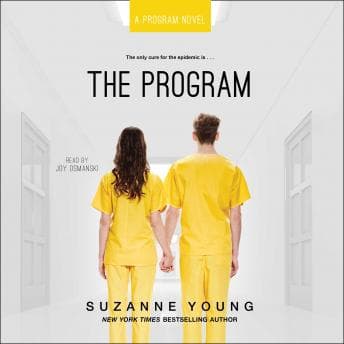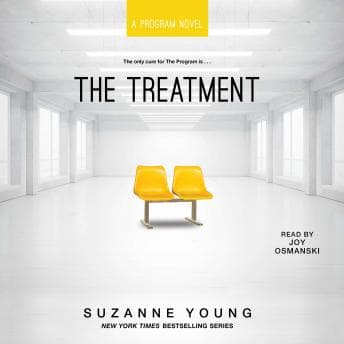

The Treatment wants to be a dystopian horror story about memory, identity, and institutional control. And honestly? The bones are there. A government program that "cures" teen suicide by erasing memories. Kids on the run with Swiss-cheese brains, trying to figure out who they loved and who betrayed them when they can't even remember last Tuesday. Suzanne Young built something genuinely unsettling with this premise - the kind of quiet, systemic dread that Shirley Jackson would've appreciated. But the execution in audiobook form? That's where things get complicated.
I was reorganizing the horror section at the library - we just got a new display for banned books month, and yes, I see the irony of shelving a book about forced memory erasure next to Fahrenheit 451 - when I put this on through my earbuds. Nine hours and fifteen minutes. I figured a YA dystopian sequel would be decent background for mindless shelving work. I was half right.
The Dread Is Built Into the Premise, Not the Page
Here's what frustrates me about The Treatment. The concept - a single pill that can restore erased memories, but there's only one dose, and Sloane and James both need it - that's genuinely horrifying. Who gets to remember? Who stays broken? That's the kind of impossible choice that good horror thrives on. Young clearly understands the terror of not being able to trust your own mind, of looking at someone you supposedly love and feeling nothing because a government program scooped out the parts of you that knew how.
But the writing doesn't always trust the reader to feel that weight. It tells you things are scary instead of letting the paranoia breathe. The rebel group Sloane and James escape with should crackle with suspicion - who's a plant, who's genuine, who's already been compromised - and sometimes it does. But Young's prose leans YA-accessible in ways that sand down the sharper edges. I grew up in a house where horror was literally forbidden, so I came to the genre hungry for anything that would make me uncomfortable. This book flirts with discomfort but pulls back before it commits.
That said - and I want to be fair here - this is marketed to teens. The suicide epidemic backdrop isn't handled carelessly. Young was a teacher before she was a writer, and you can feel that awareness in how she frames institutional control and teen autonomy. She's not exploiting the subject. She's angry about it. That anger gives the story its best moments, even when the sentence-level writing feels a bit obvious. That institutional anger as a narrative engine reminded me of what Dean Koontz was doing in One Door Away from Heaven, though Koontz leans into the dread more fully than Young allows herself to here.
Joy Osmanski and the Male Voice Problem
Okay. Joy Osmanski. She's won AudioFile Earphones Awards. She's clearly talented. And her work here is - genuinely - better than what I've heard described of the first book's narration. Her Sloane voice works. There's a flatness to it that actually serves the character, this girl who's had her emotional range literally stolen from her. When Sloane's confused or numb, Osmanski sells it.
But the male voices. James, specifically. There's this nasally quality that creeps in whenever she voices male characters, and it undercuts some pivotal emotional moments. When James is supposed to be desperate or tender, the voice lands somewhere between earnest and - I'm sorry - a little goofy. It's distracting. Not deal-breaking, but enough that I'd catch myself pulled out of a scene, suddenly aware I was listening to a performance rather than living in one.
The narrator commits in places. That's rare enough that I notice it. But the commitment is inconsistent. Some dialogue exchanges feel natural, lived-in. Others have a slight robotic cadence, like she's reading sentences rather than inhabiting them. For a story that depends so heavily on the emotional stakes between two people who can't fully remember each other, that inconsistency matters more than it would in, say, a plot-heavy thriller.
Who Needs This (and Who Really Doesn't)
If you're deep into YA dystopian fiction and you loved The Program, this is an obvious next step. The sequel picks up the threads and runs with them, and the one-dose pill dilemma is a strong enough hook to carry the story. Teens dealing with themes of institutional gaslighting and bodily autonomy will find stuff here that hits differently than it might for adult readers.
But if you're an adult horror fan looking for dystopian dread? This probably isn't going to scratch the itch. The writing style skews younger than the themes deserve, and the audiobook narration doesn't elevate the material enough to bridge that gap. I've listened to YA that transcends its label - this isn't quite that.
Shirley (my cat) was unimpressed. I was... moderately engaged. Which for nine hours of my life, I wanted more than "moderate."
Shelve It Under "Promising but Incomplete"
The Treatment has a premise that deserves to be terrifying and a narrator who's capable of more than what she delivers here. It's not bad. It's just not brave enough - not in the writing, not in the performance. Young walked right up to the edge of something genuinely disturbing about memory, consent, and control, and then wrote a competent YA sequel instead of the gut-punch this story could've been. I'll talk about the premise on my podcast because the concept alone is worth dissecting. But the audiobook itself? It's fine. And "fine" is the scariest word in my vocabulary, because it means I'll forget it. Which - given the subject matter - feels almost poetic.