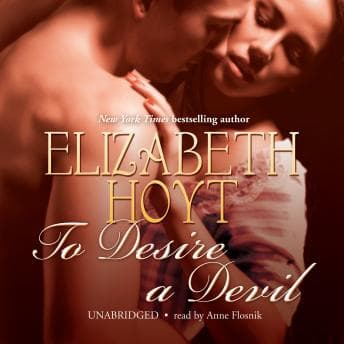

I have a bone to pick with this audiobook. Not with Elizabeth Hoyt - the woman knows her way around a tortured hero and a heroine with actual backbone. Not even with the premise, which is genuinely compelling: a man presumed dead for seven years stumbles back into his ancestral home, half-feral from captivity, demanding what's his. That's the stuff of great fiction. My problem is that Anne Flosnik seems convinced Reynaud St. Aubyn is less "traumatized nobleman" and more "rabid bear who learned to speak English."
I was grading sophomore essays on The Scarlet Letter at 11 PM - my usual punishment for being an English teacher - and I needed something to keep me from writing "Hester deserved better" in red ink on every paper. Historical romance seemed like the antidote. Hoyt's Legend of the Four Soldiers series had been recommended by a colleague who teaches AP Lit and secretly reads romance during her planning period. (Hi, Karen. Your secret's safe.)
The Portrait Problem and Why It Actually Works
Here's what Hoyt does brilliantly: Beatrice has been quietly obsessed with a portrait of a young man in her uncle's house. A proper English miss, falling for a painting. It's absurd and romantic and deeply human - this reminds me of what Hemingway said about the iceberg theory, except Hoyt puts all the longing right there on the surface. Then that man walks through the door, except he's not the polished youth from the portrait anymore. He's been through seven years of hell, and it shows.
The PTSD themes here are handled with more care than you'd expect from a romance novel published in 2009. Reynaud isn't just "brooding" - he's genuinely struggling. The author chose those words carefully, and you can feel the weight of his trauma in how he interacts with a world that moved on without him.
The Growling Problem
But here's where we hit a wall. Flosnik's interpretation of Reynaud involves... a lot of growling. And snarling. And what I can only describe as theatrical shouting that made me check if my earbuds were malfunctioning. Her female voices are fine - Beatrice sounds appropriately prim with just enough spark underneath. But every time Reynaud opens his mouth, I felt like I was listening to a community theater production where someone told the lead actor that "intensity" means "volume."
The pacing doesn't help. Flosnik takes her time - which I normally appreciate, being the dinosaur who listens at 1.0x because the author chose those words. But combined with the overwrought male voice, certain scenes drag when they should crackle. There's a moment where Reynaud confronts Beatrice's uncle about his inheritance, and it should be tense and dangerous. Instead, it sounds like someone doing a dramatic reading at a Renaissance Faire after too much mead.
What Saves It (Barely)
Hoyt's writing carries a lot of weight here. The dynamic between Beatrice and Reynaud - her seeing past his savagery to the man inside, him being drawn to her despite suspecting her loyalty - that's classic romance structure done well. The prose deserves to be savored, even when the delivery makes you wince. Perfect Hope had a similar issue where the narrator's choices occasionally overshadowed solid writing.
Flosnik isn't without skill. She's won AudioFile Earphones Awards for a reason. Her emotional delivery in the quieter moments, particularly Beatrice's internal conflict, shows why some listeners call her one of the best in the romance genre. The problem is consistency. When she's good, she's genuinely good. When she's doing Reynaud at full volume, my students would hate this. Actually, I kind of hated it too.
Who Should Brave the Beast (And Who Should Run)
If you're already a Hoyt fan and you've listened to the previous books in this series, you'll probably push through. The story rewards patience, and this is the final book in the Legend of the Four Soldiers quartet - there's payoff here for readers who've been following along. Skip this one if you're new to Hoyt or sensitive to over-the-top male voice performances; try the print version instead, or sample a different narrator for one of her other series first.
Commuters might actually fare well here - I noticed some listeners mentioned enjoying it on their drive. Something about the stop-and-go nature of traffic might break up the pacing issues. I had the opposite experience with Lincoln Highway - that one demanded my full attention during the commute. Worth pausing the faculty meeting for? Depends on how boring Principal Martinez is being. (Very. The answer is always very.)
Mr. Williams's Final Grade
This is a good romance trapped inside a frustrating audio experience. Hoyt understands that great historical romance isn't just about the love story - it's about class, power, trauma, and the slow work of two people learning to trust each other. All of that is here. But Flosnik's interpretation of Reynaud creates a barrier between the listener and the character when we should be drawing closer.
I finished it. I'm glad I finished it. But I kept thinking about how different this would feel with a narrator who understood that sometimes the most dangerous men are the quiet ones.