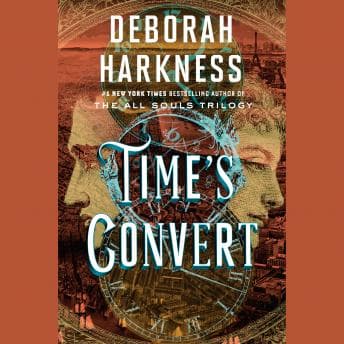

Look, I wasn't ready. I thought I was ready—I've been through the original All Souls trilogy, I've cried over Matthew and Diana, I've made my peace with vampire family drama. Shadow of Night wrecked me with the Elizabethan timeline. But Time's Convert hit me somewhere different. Somewhere deeper.
This book felt like sitting with two timelines that both wanted to break my heart in completely different ways. Marcus's story during the American Revolution? Absolutely gutting. There's this young man full of ideals about liberty and brotherhood, escaping a puritanical nightmare of a family, and then Matthew offers him immortality and... ugh. The weight of what he gains versus what he loses. I ugly-cried at the scenes with his human family. Just sat there at my desk, supposedly working on a logo redesign, mascara running, Frida staring at me like I'd lost my mind.
Two Centuries, Two Heartbreaks
Here's the thing about books that jump between past and present—they usually make me impatient. I'm always rushing through one timeline to get back to the other. But Harkness does something sneaky here. Marcus's eighteenth-century transformation story is so raw, so full of blood and battlefield horror and desperate hope, that it makes Phoebe's modern journey feel almost... clinical? And that's the point. The contrast is everything.
Phoebe's story is quieter. She's choosing immortality with full knowledge, with preparation, with a support system. Marcus stumbled into it covered in war wounds. And yet—and this is where I started crying again—both of them face the same fundamental question: What are you willing to lose to become something new?
Abuela would have loved this one. She was obsessed with transformation stories, with women (and men) choosing their own paths even when everyone told them not to. That's why I think she would've also loved A Court of Thorns and Roses—another story about choosing transformation on your own terms. Phoebe making this choice deliberately, eyes wide open? That's the kind of agency that would've made Abuela sit up straighter in her chair.
Saskia Maarleveld's Voice in My Head
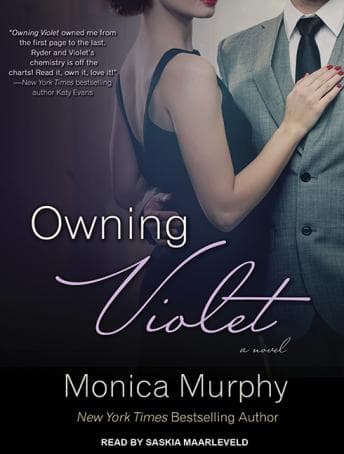
Okay, so. I need to be honest here. I know some people have strong feelings about the narrator change from the original trilogy. And yes, Saskia Maarleveld has a very specific presence. Her voice is warm—like genuinely warm, the kind of warmth that makes fifteen hours feel cozy instead of exhausting. But she's also dramatic. Sometimes intensely so.
For me? It worked. The gravelly undertones she brings actually fit the weight of Marcus's Revolutionary War memories. There's something almost haunted in how she delivers his sections. And her French accents for the de Clermont family scenes? *Chef's kiss.* She doesn't do that thing where every character sounds like a caricature—there's subtlety in how she shifts between voices.
But I'll say this: if you prefer narrators who disappear into the background, Saskia doesn't do that. She's present. She's interpreting. Some moments felt like she was leaning into the drama maybe a touch more than necessary. (There's this thing she does at the end of certain sentences—almost like a vocal sigh—that I noticed but honestly? Didn't bother me. Your mileage may vary.)
I listened at my usual 1.0x because rushing through this felt wrong. The pacing is already deliberate—Harkness takes her time building emotional weight—and speeding it up would've stolen something from the experience.
Where My Heart Actually Broke
The scenes where Marcus confronts his past. That's it. That's the review. I'm not going to spoil specifics but there's a moment in the Revolutionary War timeline where he has to make a choice about someone he loves, and I had to pause the audiobook and just... sit there. Diego jumped on my lap and I held him like a stuffed animal for a solid five minutes.
This isn't a fast book. It's not action-packed. If you're coming for the Diana and Matthew show, they're here but they're not the center. This is Marcus's story, and Phoebe's story, and honestly? It's a meditation on what transformation costs. The physical process of becoming a vampire is brutal and strange and Harkness doesn't flinch from that.
Who This Is (and Isn't) For
If you loved the All Souls world and you're ready for something slower, more introspective, more focused on the weight of centuries? This is your book. If you wanted more supernatural action and less historical family trauma... maybe temper your expectations. Skip if you need plot momentum—this one earns its emotional punches through patience.
Still Holding Diego
My heart. MY HEART. This book understood that immortality isn't a gift—it's a grief you carry forever. And Saskia Maarleveld made me feel every century of it.