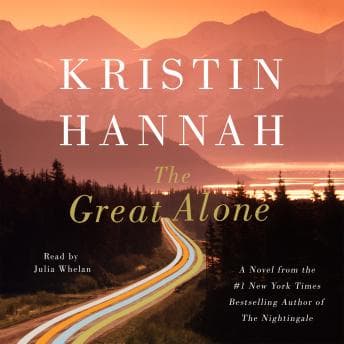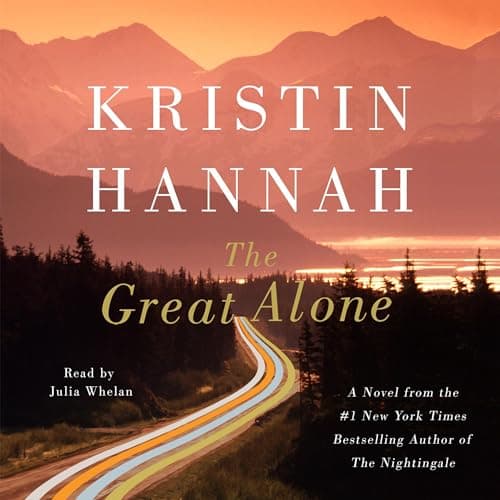

Everybody talks about The Great Alone like it's this sweeping Alaska survival story with a big love story tucked inside. And yes, that's in here. But what got me wasn't the wilderness first. It was the house.
I listened to most of this while folding scrubs at my kitchen table after the kids were asleep, trying not to wake Carlos with cabinet doors because the man can somehow sleep through helicopters but not Tupperware. Bad choice for emotional safety, good choice for focus. This book needs focus. Because the real danger isn't just the snow, the isolation, or those 18-hour nights descending on that little cabin. It's living with a man everyone keeps trying to explain away until you realize explanation is not protection.
The cabin feels smaller every hour
Kristin Hannah drops us into Alaska, 1974, with Ernt Allbright dragging his wife Cora and 13-year-old daughter Leni off the grid after yet another job loss. He's a former POW, unstable, proud, impulsive, and convinced that a fresh start in America's last frontier will fix what war broke. As someone who's actually worked with trauma survivors - and families orbiting that trauma - I appreciated that the book never makes Ernt simple. He's not a cartoon monster. He's volatile, paranoid, frightening, and still somehow able to keep his family hoping for the version of him they miss. That part hurt because it's true.
The Alaska setup is specific enough that you can feel the logistics. Not cute rustic fantasy. We're talking dwindling supplies, real winter prep, neighbors who understand that generosity can be the difference between survival and a body in the snow. The community mattered to me almost as much as the main family. Those fiercely competent local women? Loved them. They're not background wallpaper. They're the practical heartbeat of the book, the ones who know how to live when the men are busy performing toughness.
And Leni - poor, observant, always-calculating Leni - is the reason this lands. Her coming-of-age perspective gives the story its pulse. She's old enough to understand that something is wrong and still young enough to keep bargaining with hope. That emotional math felt painfully accurate.
Julia Whelan knows when to stay calm
This performance works because Julia Whelan doesn't oversell it. A lesser narrator would've gone huge on every confrontation, every threat, every dramatic Alaska description. She doesn't. She keeps a calm, controlled tone in scenes that are simmering, and that restraint makes the tension worse. In the best way.
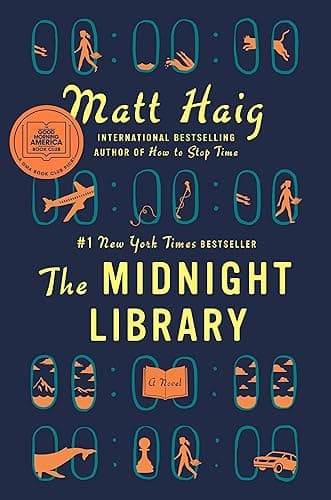
Her Leni voice has that heart-grabbing directness listeners keep talking about, and they're right. Whelan brings that same lived-in emotional precision to The Midnight Library, where she manages something equally tricky — a protagonist who has to sound both numb and desperately alive at the same time. You hear the youth without getting a babyish performance. That matters, because Leni spends so much of the book reading a room, assessing danger, tracking her mother's emotional weather and her father's PTSD bouts before they ignite. Whelan gives Ernt an edge that feels unstable without turning him into a villain from a Lifetime movie. When his episodes hit, the shift is unmistakable. You can hear the snap before the damage arrives. Chilling.
She handles the local population well too. Not with circus-level "look at me doing voices" energy. Just enough differentiation that the Alaskan community feels lived-in and grounded. Clean audio, no gimmicks, no distracting production tricks. Thank God. This book doesn't need music cues telling you when to panic. You'll know.
Gorgeous country, ugly truths
The wilderness writing is vivid. Sometimes breathtaking. Sometimes a little much, if I'm being honest. There were stretches where I thought, okay, I get it, Alaska is stunning and lethal, can we move? So if you're impatient with descriptive passages, you may feel the slow-burn nature here, especially before winter really tightens the screws.
But the descriptions earn their keep once the darkness sets in. The contrast between the long, golden summer light and the brutal enclosed winter mirrors the family's arc so well it's almost suffocating. At first Alaska feels like possibility. Then it becomes exposure. Then entrapment.
That's also where the book can be a hard listen. Content warnings absolutely matter here: violence, PTSD, domestic abuse, emotional trauma. This is not cozy literary snowglobe fiction. Trust me. I spend my nights with the aftermath of what people do to each other, and some scenes in this one had that same dreadful feeling of waiting for the next explosion in a house where everyone knows the pattern.
The romance thread works better than I expected because it isn't there to make the book "sweeter." It's there as contrast - what tenderness looks like when someone has grown up in chaos. I get why some listeners felt the back half turns up the trauma pretty aggressively. There were moments where I thought, okay, Hannah, you are really putting this family through the meat grinder. And the ending? Effective, but yes, a bit rushed compared with how much time the book spends building dread.
Still. The emotional payoff got me.
Not cute crying. Annoyed crying. The kind where you're wiping your face with a dishtowel and muttering, seriously? Carlos asked why I was crying in the kitchen. I blamed allergies.
Who Should Listen (And Who Should Skip)
Pick this up if you want character-driven tension, a brutal family story, and a setting so vivid it becomes part of the threat. If you haven't read The Nightingale yet, start there — Hannah at her most devastating, and the benchmark I kept measuring this one against. If you loved the emotional force of The Nightingale but want something more intimate and domestic - less wartime espionage, more survival inside and outside the home - this will work for you.
Skip or borrow instead if you're sensitive to domestic violence, if you want a fast-paced plot from the jump, or if repeated trauma as a storytelling engine wears you out. Fair warning there.
For me, Julia Whelan pushed this into must-listen territory. She doesn't just read Leni's fear; she lets it accumulate, little by little, until the whole audiobook feels like a storm front moving in over snow.
Night shift approved. But maybe don't start it if you need something restful. This one sits in your chest for a while.