
The 3 AM Ugly Cry
Okay, so. I finished this one at 4:47 AM, parked in my driveway, engine off, just... sitting there. Carlos texted asking if I was okay because he saw my car pull in twenty minutes earlier. I blamed allergies. It was not allergies.
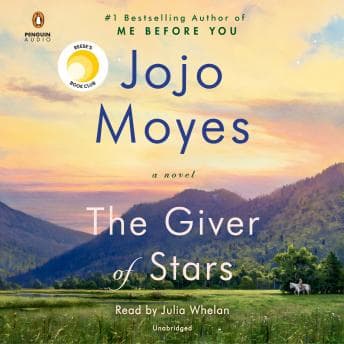
Look, I picked up The Giver of Stars because I needed something that wasn't medical, wasn't thriller, wasn't going to make me yell at my dashboard about incorrect intubation procedures. Fourteen hours of Depression-era Kentucky women delivering books on horseback sounded like the exact opposite of my life. And it was. In the best possible way.
Julia Whelan Is That Nurse Who Can Do Everything
You know that nurse on every unit? The one who can start an IV on a dehydrated 90-year-old, calm down a combative patient, AND remember everyone's coffee order? Julia Whelan is the audiobook equivalent. Her British accent for Alice is crisp and proper but warms up as the character loosens. Her Kentucky accents—and there are several, because she actually bothers to differentiate between characters—never slip into caricature. Margery sounds like a woman who's been underestimated her whole life and stopped caring about it decades ago. I believed every single one of these women.
The pacing is perfect for night shift driving. Not so slow that I zone out during the quiet stretches of I-10, not so fast that I miss things when I'm navigating the parking garage. Whelan knows when to let a moment breathe and when to push through. There's this scene—I won't spoil it, but it involves a confrontation with some truly awful men—where her delivery made me grip my steering wheel so hard my knuckles went white. She doesn't oversell the emotion. She trusts the material. That's rare.
Whelan brought that same trust to Educated: A Memoir, where she had to navigate even more emotionally brutal territory without overdoing it.
These Women Would've Made Excellent ICU Nurses
Here's the thing about the Packhorse Librarians: they're stubborn, practical, and they show up even when conditions are terrible and nobody thanks them. Sound familiar? (I'm being subtle here.) Margery especially—she's the charge nurse of this operation, basically. She knows the terrain, she knows the people, she makes the hard calls. When things go sideways, and they do go very sideways, she doesn't fall apart. She adapts.
Jojo Moyes does something smart here. She doesn't make these women perfect or modern in their thinking. They have blind spots. They make mistakes. Alice starts out pretty naive about class and race and what it actually means to be poor in Appalachia. But she learns. And the learning feels earned, not like the author is checking boxes.
The historical details feel right. I can't speak to 1930s Kentucky specifically, but the descriptions of poverty, of bodies worn down by hard labor, of what happens when people don't have access to basic healthcare—that I know. That I've seen in patients who waited too long to come in because they couldn't afford it, or didn't trust doctors, or just didn't know they were sick until it was almost too late. Moyes gets the weight of that without being preachy about it.
Fair Warning: This One Has Teeth
I should mention—there's discrimination, there's violence against women, there's a trial that made me so angry I had to pause and take some deep breaths before walking into my house. This isn't a cozy book about ladies and horses and books. It's about what happens when women refuse to stay in their place, and how some men react to that. The content warnings are real.
But also? The friendship in this book is so good. These women show up for each other. They fight for each other. There's a loyalty here that reminded me of my unit—the way we cover for each other, the way we know each other's tells, the way we close ranks when someone outside tries to mess with one of us. My mom would love this, actually. (She still thinks I should've been a doctor, but she'd appreciate the found family angle.)
The Verdict
Perfect for that post-shift decompression. Nearly fourteen hours means it'll last you a good couple weeks of commutes, and it's the kind of story that makes you look forward to getting in the car. Julia Whelan's narration is night shift approved—engaging enough to keep you alert, smooth enough not to jar you when you're already tired.
Who should listen: Anyone who loves fierce female friendships, historical fiction with grit, or needs a long audiobook for commutes that'll make you feel something. Who should skip: If you need your historical fiction cozy and conflict-free, or can't handle courtroom injustice that'll make your blood boil, maybe sit this one out.
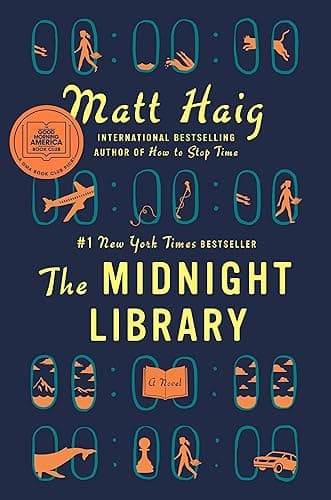
I'm not usually a historical fiction person. Give me a thriller with bad medical details I can complain about, right? Though honestly, The Midnight Library pulled me out of my comfort zone too—also narrated by Whelan, also made me feel things I wasn't planning on feeling. But this one got me. The women are real, the stakes are real, and by the end I was genuinely invested in what happened to all of them. Even the ones I wanted to shake.
Carlos asked why I was crying in the car. I blamed allergies. He didn't believe me. I told him to read the book.
He won't. But maybe you should.