Look, I finished this one at 6:47 AM in my driveway, engine still running, tears streaming down my face like I'd just lost a patient. Carlos texted asking if I was okay because I'd been sitting there for twenty minutes. I blamed allergies. He didn't buy it.
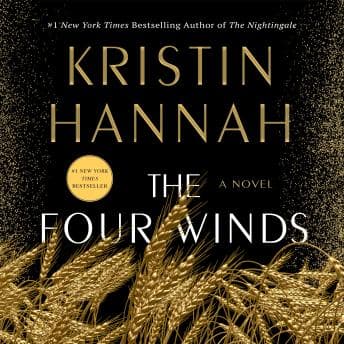
Kristin Hannah's The Four Winds wrecked me. And I don't say that lightly. I've held hands with dying patients. I've told families the worst news of their lives. I thought I was emotionally bulletproof. This book found the cracks.
The Dust Bowl Through a Nurse's Eyes
Here's the thing about historical fiction set during medical crises—most authors get it wrong. They sanitize it, or they go so grimdark it becomes torture porn. Hannah walks this impossible line where you feel every grain of dust in Elsa's lungs, every desperate breath her children take, without it ever feeling exploitative.
The medical details are accurate. Finally. The descriptions of dust pneumonia, the way children's bodies failed during the Depression, the absolute desperation of mothers trying to keep their families alive with nothing—it hit different for me. I've seen that desperation in modern ICU rooms. Different circumstances, same primal fear in a mother's eyes.
Elsa Wolcott starts as this woman who's been told her whole life she's not enough. Too tall, too plain, too old to marry. And then life just... keeps hitting her. The Dust Bowl, the failed crops, a husband who can't handle hardship, children she'd die for. Her transformation from someone who believed she was worthless to someone who discovers her own steel? That's the stuff that got me crying in my driveway.
Julia Whelan Is a Gift
Okay, so Julia Whelan. I've listened to her narrate other books and she's always solid, but this performance? She earned that Audies nomination. She brought that same emotional precision to Beach Read, though that one's a completely different vibe—lighter, funnier, but still hitting you right in the feelings.
Her Elsa is perfect—this quiet strength that builds over fifteen hours until you realize you're listening to a woman who could survive anything. The Texas accent settles in naturally (though I'll admit, the first chapter I was adjusting to it). But where she really shines is in the emotional moments. There's this scene—I won't spoil it—where Elsa makes a choice that broke my heart, and Whelan's voice cracked in exactly the right way. Not overdone. Just... human.
The children's voices are where some listeners apparently had issues. Honestly? They didn't bother me. Loreda's teenage attitude came through perfectly—that mix of love and resentment that every parent of a teenager knows. Little Ant was sweet without being cloying. But I get it. Character voices for kids are always a gamble.
Fifteen hours is long. I'm not gonna pretend it isn't. This took me almost two weeks of post-shift drives, plus some weekend listening while I did laundry. There were moments in the middle section—the California chapters—where I felt the length. But honestly? The pacing matches the story. The Dust Bowl was relentless and exhausting. The migrant experience was a slow grind of hope and disappointment. The audiobook reflects that.
Night Shift Approved (With Caveats)
This is not a light listen. I need to be clear about that. If you're looking for something to zone out to during a workout, this ain't it. I tried listening during a particularly brutal shift once and had to switch to a podcast because I couldn't handle Elsa's struggles while dealing with my own patient crises.
But for that 3 AM charting session when the unit is quiet? When you need something to remind you why you do this job, why humans fighting for each other matters? Perfect. For the drive home when you need to process the weight of what you've seen? Also perfect.
My mom would love this. She grew up hearing stories from her own mother about hard times in the Philippines, about women who held families together through impossible circumstances. Kristin Hannah captures that same kind of impossible female strength in The Nightingale—different war, different country, but the same steel spine these women had to develop just to survive. This is that same energy—Greatest Generation women who didn't have the luxury of falling apart.
Fair Warning
Content-wise, there's abuse (emotional and physical), violence, and scenes of children suffering that are hard to hear. The California migrant camp sections include some harsh realities about how desperate people were treated. If you're in a fragile headspace, maybe save this for later.
Also—and this is minor—there's apparently a bonus author interview at the end that I accidentally skipped because I was too busy ugly-crying. Might go back for that.
The Verdict
Carlos asked why I was crying in the car. I blamed allergies. But really, it's because Kristin Hannah reminded me that hope isn't naive—it's an act of defiance. Elsa Wolcott would've made a hell of a nurse. She had that same stubborn refusal to let people die on her watch.
This is the kind of book that changes how you see the world a little bit. The parallels to modern struggles—economic inequality, climate disaster, how we treat the most vulnerable—they're not subtle, but they don't need to be.
Julia Whelan delivers it all with the kind of emotional precision that makes audiobooks worth it. My dashboard heard some things during this one. Mostly me saying "come ON, Elsa, you deserve better" and then crying when she finally believed it herself.
Who should listen: Anyone who loves sweeping historical fiction with a fierce female lead, fans of Hannah's other work, and night shift workers who need a good cry on the drive home. Who should skip: If you need something light or can't handle child suffering on-page, wait until you're in a stronger headspace.
Must listen. Just maybe not right before your shift starts.