
I was three hours into a thesis-avoidance spiral - you know the kind, where you've convinced yourself that 'background listening' counts as being productive - when I realized I'd just absorbed more moral philosophy from talking animals than from my entire ethics requirement.
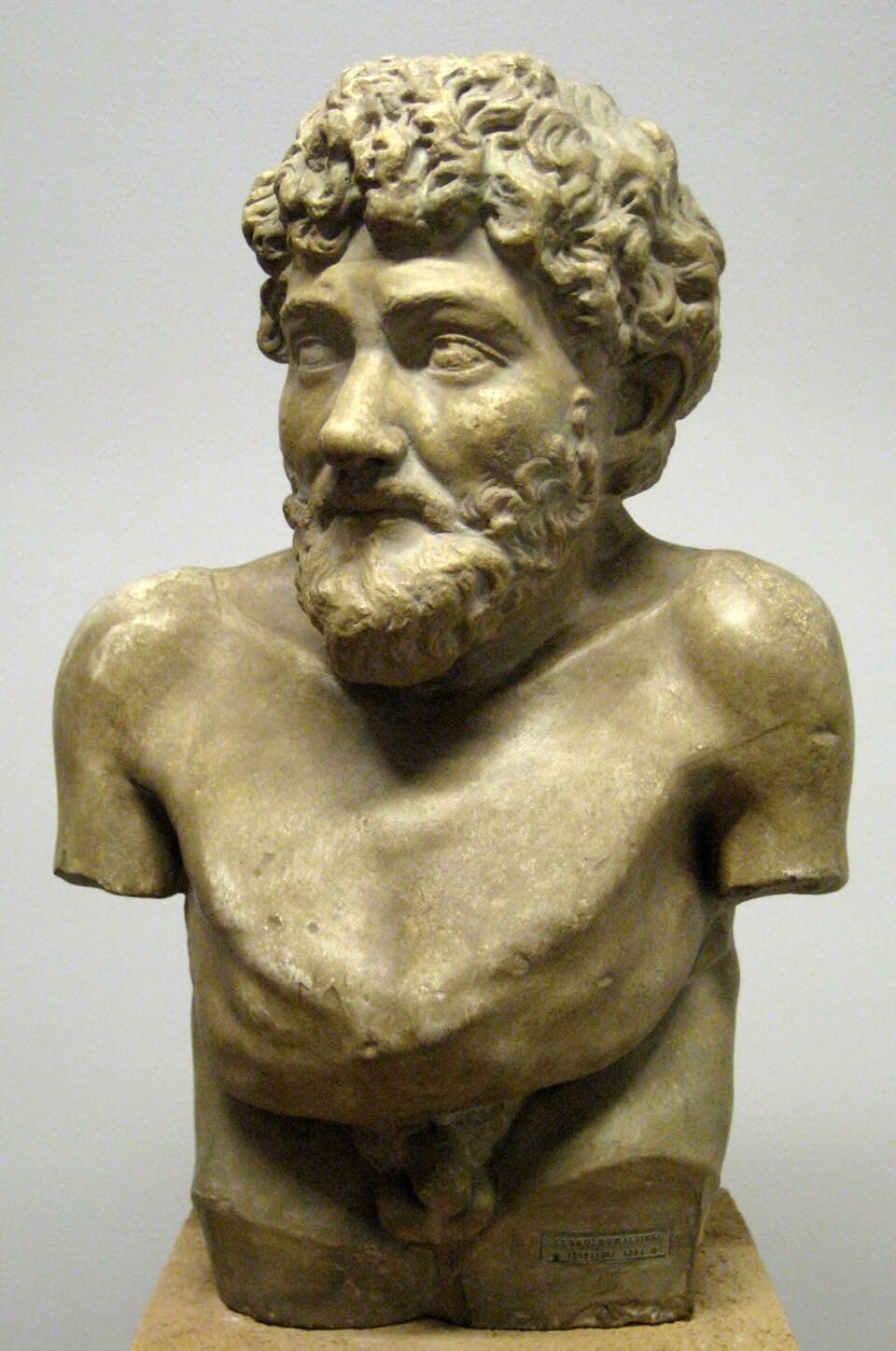
Here's the thing about Aesop's fables: they're basically the original worldbuilding documents. Every fantasy author you love? They grew up on this stuff. You can see those foundational tropes echoing through modern stuff like Wild Born, where the animal-human bond carries the entire narrative weight. The fox and the grapes, the tortoise and the hare, the boy who cried wolf - these are the ur-tropes, the character archetypes before we had words for character archetypes. My D&D group would recognize half these scenarios as classic setup-and-payoff structures.
The LibriVox Gamble
Let's talk about what you're actually getting here. LibriVox is volunteer-read, which means you're essentially listening to a rotating cast of well-meaning strangers read bedtime stories into their laptop microphones. Some of them are genuinely solid - clear enunciation, good pacing, the kind of voice that makes you think "oh, this person definitely reads to their kids." Others... have background hiss. Or pace like they're reading a legal document. Or pronounce things in ways that make you go "huh."
It's inconsistent. That's the honest truth. You'll get three fables in a row that flow beautifully, then someone new takes over and the audio quality shifts like you changed radio stations. If you need polished, studio-quality narration - Steven Pacey this ain't. But if you grew up listening to library audiobooks on scratchy cassette tapes (just me?), there's something almost nostalgic about the rough edges.
Ninety-Second Moral Payloads
The fables themselves hold up remarkably well for being, you know, thousands of years old. They're short - most clock in at just a few minutes - which makes this perfect for interrupted listening. Got five minutes while your code compiles? That's two fables. Waiting for your advisor to email you back about that meeting you're dreading? Three fables, easy.
What struck me is how efficiently these stories deliver their payload. Modern fantasy novels (which I love, don't get me wrong) take 40 hours to build to a theme. Court of Wings and Ruin is a perfect example - gorgeous, sprawling, takes its sweet time getting anywhere. Aesop does it in 90 seconds. Crow has cheese. Fox wants cheese. Fox flatters crow. Crow opens beak to sing. Cheese falls. Don't trust flatterers. Done. It's almost aggressive in its economy.
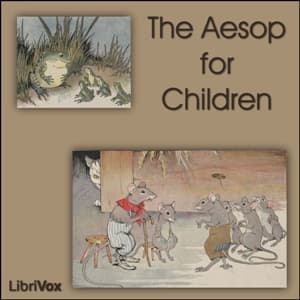
This edition is specifically the Milo Winter illustrated version, tied to that gorgeous 1919 American edition. You can actually pull up the Gutenberg ebook and follow along with the illustrations - not a bad way to share it with kids, honestly.
Who Should Queue This Up (And Who Should Pass)
Parents looking for something to play during car rides that isn't going to rot anyone's brain? This works. The short fable format means you can stop anywhere without losing a plot thread. Kids old enough to understand "the moral of the story is" but young enough to still find talking animals delightful? Perfect demographic.
But here's the thing - I'm a 26-year-old grad student, and I found myself genuinely entertained. Maybe it's because I've been mainlining epic fantasy for so long that something this direct felt refreshing. Maybe it's because procrastination makes everything more interesting. But these little stories have real teeth to them. The ant and the grasshopper is basically a parable about why I should be writing my thesis right now instead of reviewing audiobooks. (I'm choosing to ignore that particular moral.)
Skip this if you need professional polish or audio inconsistency genuinely bothers you - find a paid version instead. But if you want free access to foundational storytelling that's been shaping narrative structure for millennia, and you're okay with the charming jankiness of volunteer recordings? Roll initiative.
Roll For Wisdom Check
This is comfort food for the brain. Not a feast - more like those cookies your aunt makes that aren't technically professional-quality but taste like childhood anyway. The production issues are real, the pacing varies wildly, and some recordings definitely needed a second take that never came.
But it's free. It's three hours. And somewhere in there, between the foxes and the crows and the lions and the mice, you might accidentally absorb some wisdom. Or at least successfully avoid your thesis for another afternoon.
My D&D group would appreciate the alignment charts you could build from these animals. The fox is definitely chaotic neutral.