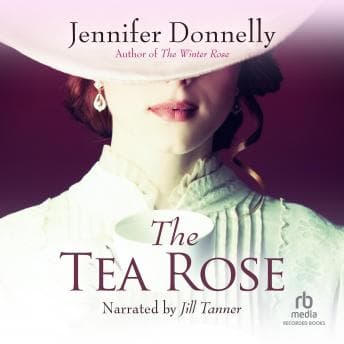

Twenty-eight hours. That's what I committed to when I started The Tea Rose, and honestly? I didn't expect to finish it. I've got papers to grade, a podcast no one listens to, and a wife who rightfully expects me to be present during our lakefront walks. But here's the thing - I finished it in under two weeks. Couldn't stop.
Let me set the scene: It's 1888 East London, and Jennifer Donnelly drops you right into the cobblestones and coal smoke without any hand-holding. Fiona Finnegan works in a tea factory, dreams of owning a shop with her childhood sweetheart Joe, and lives in the kind of poverty that Dickens would recognize. This reminds me of what Hemingway said about writing - you have to know ten times more than you put on the page. Donnelly clearly knows Victorian London down to the grime under the fingernails, and it shows.
Where Jill Tanner Earns Her Keep
Look, I listen at 1.0x because the author chose those words, and in this case, Jill Tanner chose exactly how to deliver them. Her British accents are the real deal - not the performative BBC posh that American narrators sometimes default to, but the actual class distinctions of Victorian England. The costermongers sound different from the factory workers who sound different from the upper-class villains. She understands that pause is punctuation, and she uses silence like a weapon during the darker moments.
(And there are dark moments. Content warning: this book doesn't flinch.)
Here's where I have to be honest, though. When the story shifts to New York - and it does, dramatically - Tanner's American accents get a little wobbly. Not terrible, but you notice. It's like watching a brilliant stage actor suddenly do a regional dialect they learned from movies. Distracting for a chapter or two until you adjust. If you're American, you might wince. If you're not, you probably won't care.
But the British characters? Perfection. Tanner inhabits them in a way that made me forget I was grading sophomore essays on The Great Gatsby at 11 PM. (Don't tell my students I was half-listening during their literary analysis. I was fully invested in Fiona's survival.)
The Slow Burn That Becomes a Wildfire
This is why we still read the classics - and why books like this deserve to stand alongside them. Donnelly isn't rushing anywhere. She's building something. The first several hours are pure setup: character, place, relationships, the fragile hope of two young people who think love and hard work will be enough.
Then everything shatters.
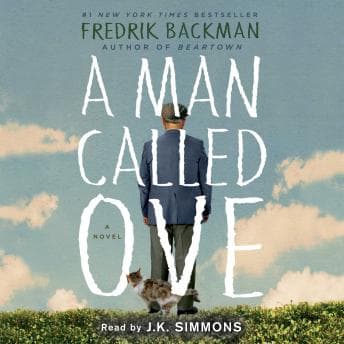
I won't spoil it, but the inciting incident is brutal. Genuinely brutal. And what follows is an immigrant story, a revenge story, a business empire story, and a romance that spans decades and an ocean. If you loved North and South or The Thorn Birds, this is their spiritual successor - sprawling, emotional, occasionally melodramatic in the best Victorian tradition. A Man Called Ove has that same sprawling emotional architecture, just transplanted to modern Sweden.
Some listeners complain about coincidences in the plot. Fair. There are moments where characters conveniently cross paths in ways that strain credibility. But honestly? That's the genre. Historical sagas run on coincidence and fate. My students would hate this. I love it.
The pacing is worth mentioning because twenty-eight hours is a commitment. There are sections in the middle - Fiona building her tea business in New York - that slow down. Not boring, exactly, but less urgent. I found myself speeding through faculty meetings during these parts. (Principal Martinez, I was definitely paying attention to the budget presentation. I wasn't. I was listening to tea import negotiations.)
But the ending? Worth every hour. The return to London, the confrontation with the past - Donnelly earns her climax.
Who This Is For (And Who Should Skip)
This is for the long-haul listeners. Commuters with predictable drives. People who fold laundry for hours. Anyone who misses the days when novels weren't afraid to be epic. If you want something you can finish in a weekend, look elsewhere.
Also: there's explicit sexual content. Not gratuitous, but present. A few scenes felt like they went on longer than necessary - my wife walked in during one and gave me a look. Context matters, Denise.
Skip this if inconsistent accents will pull you out of the story, or if you need tight, economical plotting. This book meanders. Beautifully, but still.
The Final Grade
Probably wouldn't listen again - it's too long for a repeat, and I've got a Middlemarch reread calling my name. But I'm genuinely frustrated that the sequel isn't available in audio. That's the highest compliment I can give: I want more, and I want Jill Tanner to read it to me.
Worth pausing the faculty meeting for. Worth twenty-eight hours. Worth the commitment.