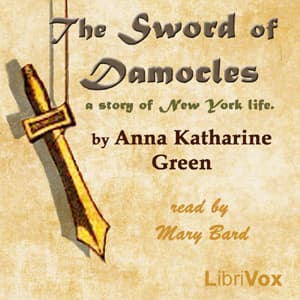

I was making my mother's rajma recipe—the one that takes three hours and requires you to stand at the stove stirring like your life depends on it—when I realized I'd been listening to this audiobook for nearly seventeen hours across multiple cooking sessions. Seventeen hours. That's longer than my dissertation defense felt, and I'm including the passive-aggressive questions from Dr. Morrison.
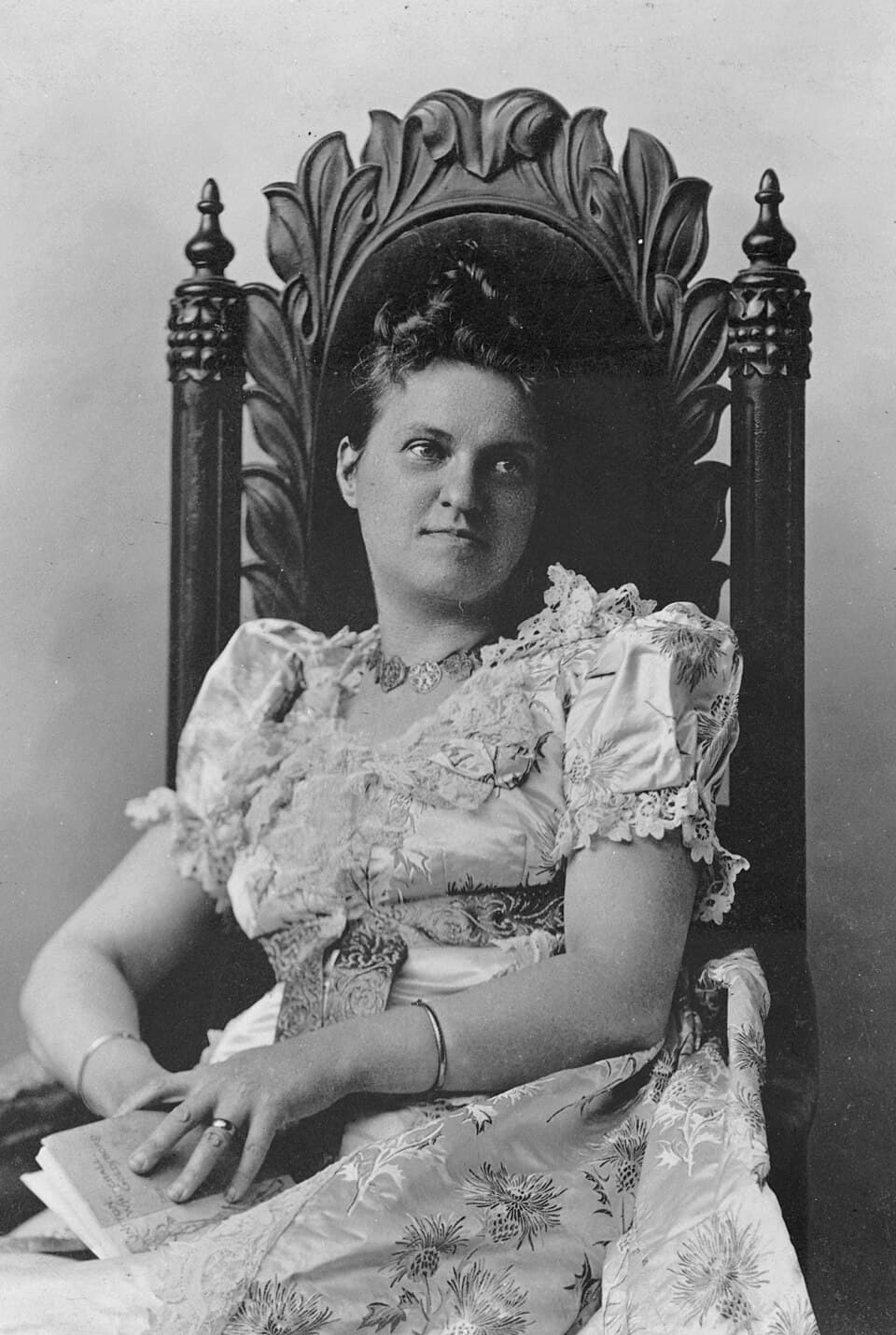
Anna Katharine Green published this in 1881, and honestly? It shows. But not entirely in a bad way.
A Case Study in Victorian Emotional Excess
The protagonist exhibits classic anxious attachment patterns wrapped in approximately forty layers of melodrama. Green subtitles this "A Story of New York Life," which is technically accurate the way calling a soap opera "a story about hospitals" is technically accurate. Yes, there's New York. Yes, there's life. But mostly there's people making terrible romantic decisions while speaking in sentences that could qualify as their own paragraphs.
What makes this character study fascinating—and I use that word deliberately—is that Green clearly understands why people sabotage themselves. The psychology doesn't quite track by modern standards, but for 1881? She's doing something interesting with motivation. These aren't cardboard Victorians moving through plot. They're anxious, jealous, self-destructive people making choices that would give my therapist excellent material.
Mr. Gryce, Green's famous detective, shows up so briefly you might miss him if you're distracted by your onions burning. (I did. Both things happened.) If you're craving actual detective work, Return of Sherlock Holmes delivers the logical deduction this book only pretends to offer. This is not a detective novel wearing love story clothing. It's a love story—multiple love stories, actually—that occasionally remembers it promised you mysteries.
Mary Bard and the Sixteen-Hour Commitment
Here's the thing about Mary Bard's narration: it's pleasantly clear. That sounds like faint praise, and maybe it is, but when you're listening to Victorian prose for nearly seventeen hours, "pleasantly clear" becomes genuinely valuable. She reads this like she respects it—no ironic distance, no rushing through the flowery bits to get to the action. There isn't much action to get to.
I found myself asking: why does this narrator work when the material is this dense? Listeners who love Green's writing specifically seek out Bard's readings. There's a trust there. She's not fighting the prose or apologizing for it. She's just... reading it well. Which sounds simple until you've suffered through narrators who clearly think they're above their material.
No specific accent quirks, no dramatic character differentiation that I could identify—this is straightforward, competent LibriVox work. For free? Genuinely impressive. For seventeen hours of your life? That's the real question.
The Melodrama Problem (Or Is It?)
Psychologically, I should hate this. The prose is overstuffed. Characters make declarations that would get them institutionalized today. The pacing moves like my grandmother walking to temple—deliberate, unhurried, occasionally stopping to comment on everyone's moral failings.
But I kept listening. Through the rajma. Through a failed attempt at dal makhani. Through reorganizing my spice cabinet because apparently I needed something to do with my hands while people in 1881 New York ruined their lives in elaborate ways.
Other listeners call this "not her best" and "very l-o-n-g," and they're not wrong. I had a similar "this is taking forever" experience with Total Control, though that one at least had corporate espionage to justify the page count. Green's detective novels are tighter, more logical. This is her sprawling, emotional, soap-opera-before-soap-operas-existed mode. If you want The Leavenworth Case, this isn't it. If you want to understand how Victorians processed romantic obsession through approximately eight subplots? Welcome.
Skip This If You Want Mysteries. Stay If You Want Feelings.
You need patience. Real patience, not "I'll speed it up to 2x" patience. This is a slow-burn commitment—the audiobook equivalent of a long-term relationship with someone who talks a lot about their feelings. In Victorian English. Skip it if you're here for detective work or tight plotting. Stay if you're curious about what popular fiction looked like before we all developed attention spans measured in TikTok videos.
Case Notes, Filed Under "Complicated"
I'm giving this a qualified recommendation, and I'm being honest about the qualification: you have to want this specific experience. It's free through LibriVox, which changes the calculation entirely. You're not spending a credit. You're spending time.
Mary Bard earns her rating. The book itself is melodramatic, overstuffed, and occasionally exhausting. But Green understands human nature—the jealousy, the self-sabotage, the way people convince themselves they're being noble when they're actually being dramatic. Even when her characters are performing it at Victorian volume.
My therapist would have thoughts about these characters. Extensive thoughts. Possibly billable thoughts. And that's not nothing.