I was reorganizing the horror section at the library - yes, at 8 PM, because that's when the building is empty and I can blast my earbuds without judgment - when I started this collection. Three hours later, I'd shelved maybe twelve books and scared myself twice. Worth it? Absolutely.
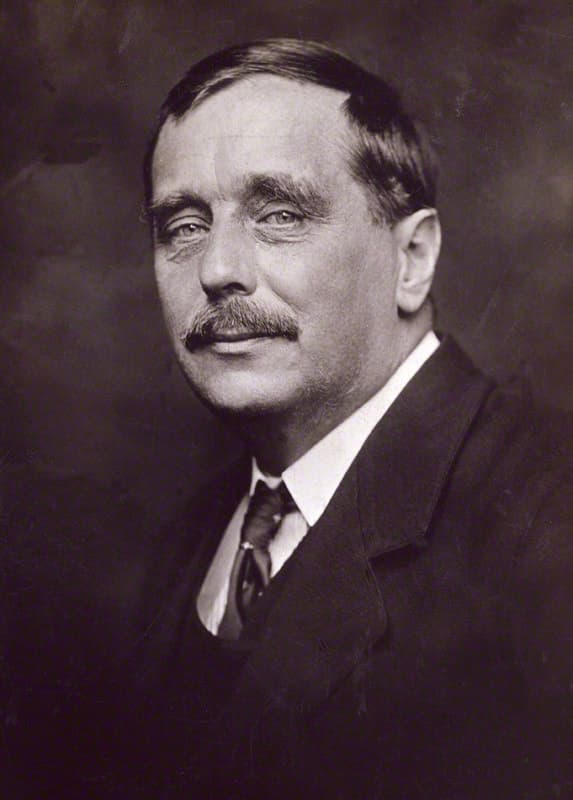
Look, H.G. Wells gets called the father of science fiction so often that people forget he was also genuinely unsettling. Strange Orchard is a reminder. Ten stories designed to, as the description puts it, "cut through the pink cushion of illusion." Victorian horror doesn't mess around.
The Voice Lottery
Here's the thing about multi-narrator collections: you're gambling. Sometimes you hit David Tennant bringing genuine menace to a story about walking dead. Sometimes you get... someone who sounds like they're reading a grocery list. At midnight. While half asleep.
The highs here are HIGH. Tennant, Hugh Bonneville, Sophie Okonedo, Jason Isaacs - these are actors who understand that horror narration isn't about screaming. It's about the pause before the reveal. The slight tremor in a character's voice when they realize something is very, very wrong. When these narrators are on, they're creating the kind of dread that made me stop shelving and just... stand there. In the dark stacks. Like a fool.
But then there are the lows. Some narrators - I won't name names, but you'll know them when you hear them - bring an energy that's best described as "obligated." Monotone readings of genuinely creepy material. It's frustrating because the source material is doing the work, and the narrator just... isn't meeting it.
When Victorian Horror Still Hits
Wells wrote with this clinical precision that somehow makes everything more disturbing. There's no gore for gore's sake here. Instead, you get fetid pools described with the same casual tone as a nature documentary. Walking dead treated as scientific curiosity before the horror sinks in. The man understood that dread lives in the gap between what's said and what's implied. That kind of psychological precision shows up in Housekeeper too, where the real horror is what you suspect rather than what you see.
The stories themselves hold up remarkably well - with caveats. Some dated language, some Victorian social attitudes that'll make you wince. (My podcast listeners know I always flag this stuff. Horror history is messy.) But the core terror? Still effective. Shirley Jackson walked so these authors could run, but Wells was already sprinting in 1896.
The pacing varies wildly depending on narrator. Some stories flew by - I'd finish one and immediately want the next. Others dragged because the reading didn't match the material's tension. It's a mixed bag, and honestly, that's the nature of anthology audiobooks.
The Audio Quality Problem
I need to mention this because it genuinely affected my experience: some of these recordings have issues. Background noise. Weird glitches. Sounds that pulled me right out of the story. When you're building dread and suddenly there's a distracting hum? Mood killed.
The major narrators seem to have cleaner recordings - probably better production budgets. But some of the lesser-known readers have tracks that feel like they were recorded in someone's closet. Not ideal for a collection that relies on atmosphere.
Who Should Brave the Orchard
If you're a Wells completist or a horror history nerd (guilty), this is essential listening. If you appreciate when narrators actually commit to the creepy - and can tolerate when they don't - you'll find enough here to justify the three hours. Skip if you need consistent quality across every track, if Victorian prose isn't your thing, or if you're sensitive to audio issues - they're not constant, but they're present.
Lights Out, Shelving Abandoned
I listened in the dark. Mistake? Maybe. Worth it? For the Tennant stories alone, absolutely. Shirley (my cat) was unimpressed by my occasional gasps. She's heard worse from my Hill House relisten.
Horror that respects the genre - when it works. When it doesn't, you get a lesson in how much narration matters. Either way, you're learning something.