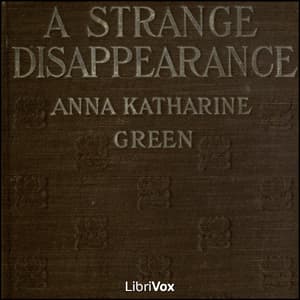

What happens when you put a detective story written by the woman who essentially invented American detective fiction into the hands of a dozen different volunteer narrators?
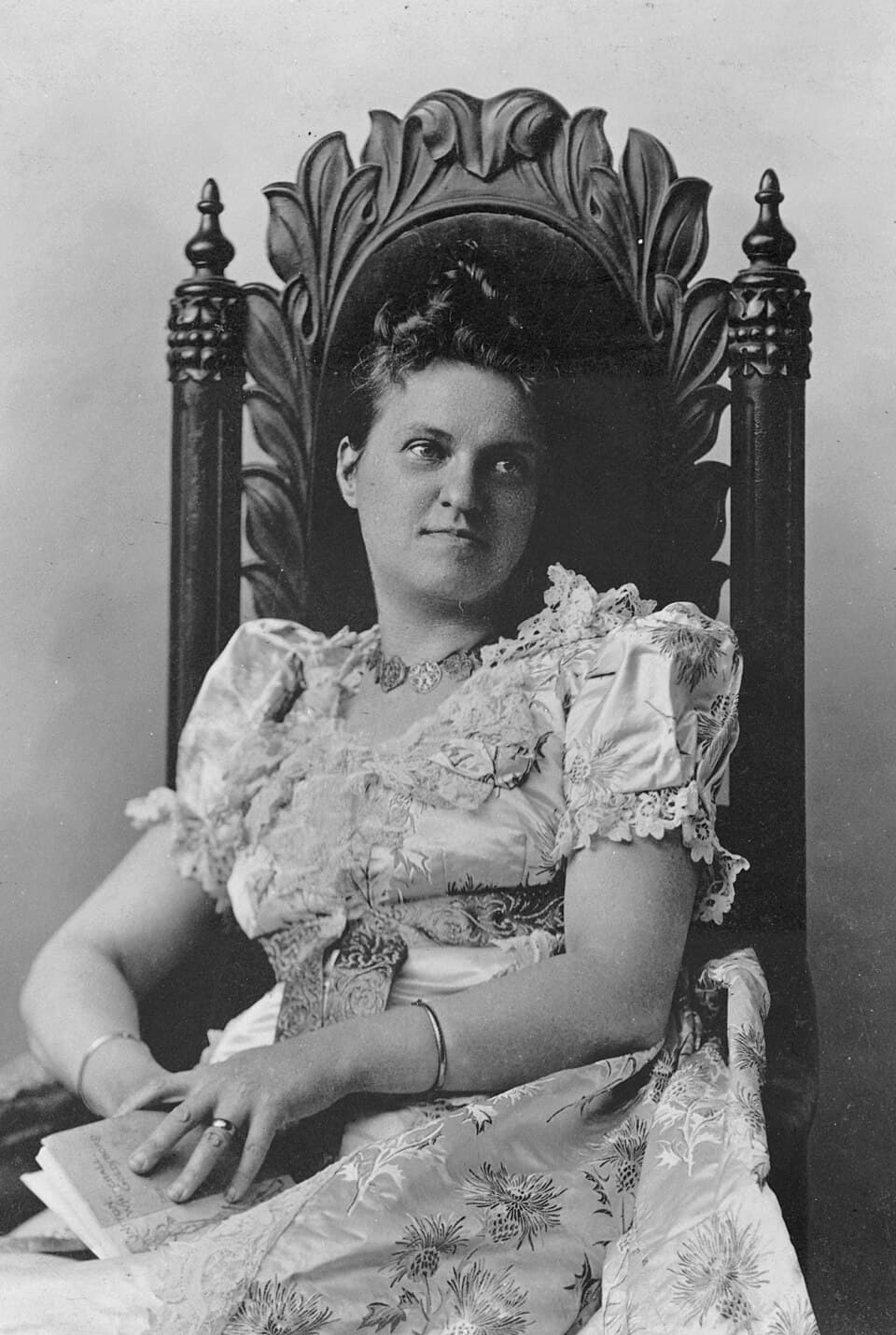
I was asking myself this question around 2 AM, unable to sleep and scrolling through free audiobook options. Anna Katharine Green's A Strange Disappearance seemed perfect—a short Victorian mystery from an author who influenced both Agatha Christie and Arthur Conan Doyle. The price was right (free via LibriVox), and at five and a half hours, it felt manageable for my insomniac brain.
The protagonist exhibits classic detective-fiction patterns that Green essentially pioneered: methodical observation, class consciousness as a plot driver, and the kind of legally precise procedural detail that screams "my father was a lawyer." This is a fascinating case study in how detective fiction was born—before Poirot, before Holmes became a household name, Green was laying the groundwork. Her detective doesn't have the theatrical flair we've come to expect from the genre. He's workmanlike, observant, almost clinical. Psychologically, this tracks for 1880s America: the professionalization of investigation as a concept.
The Voices Problem (Or: Why Committees Shouldn't Narrate)
Here's the thing about LibriVox productions: they're labors of love, and I genuinely respect the volunteers who make classic literature accessible. But this particular recording... it's like attending a book club where every chapter is read by a different member, and nobody coordinated beforehand.
One chapter gives you a crisp American accent. The next, someone with a distinctly British lilt. Then someone who sounds like they're recording in their bathroom. Listeners describe it as a "disconnected experience," and that's accurate. Your brain keeps recalibrating. Who's speaking now? Wait, is this the same character from before? Why does the detective sound like he's from Boston in chapter three and London in chapter five?
I found myself asking: why does this matter so much in audio when it wouldn't in print? The answer is that audiobooks create an intimate, embodied experience. When that embodiment keeps shifting, you lose the thread of character. Green's detective became multiple people in my mind, which undermined the careful psychological portrait she was building.
What Green Got Right (Despite the Audio Chaos)
Stripping away the production issues, the story itself holds up remarkably well for something written in 1880. Green understood that good mysteries aren't just about "whodunit"—they're about why people do terrible things to each other. The class dynamics are sharp: servants, wealthy households, the invisible labor that makes Victorian society function. She uses disappearance as a lens for examining who matters and who doesn't in the eyes of the law.
The plot moves efficiently. No unnecessary padding, no tiresome digressions. Total Control could have learned from this restraint. Green was writing before the genre conventions calcified, so there's a freshness to her approach that I didn't expect. She doesn't waste your time—a quality I wish more modern thrillers would adopt.
Who Should Endure the Narrator Roulette
If you're a completist interested in detective fiction history, this is worth the audio friction. If you're studying the genre's evolution—how we got from here to Christie to Tana French—Green is essential reading (or listening, if you can handle it).
But if you want an immersive audiobook experience? If you're looking for something to lose yourself in during a long drive or a workout? This isn't it. The constant narrator switching pulls you out of the story every twenty minutes. You'd be better off finding a single-narrator version or just reading the text (it's public domain, so it's free everywhere).
My therapist would have thoughts about this character—the detective, I mean. He's obsessive, detail-oriented to the point of compulsion, and seems to derive his entire sense of self from solving cases. Classic avoidant attachment patterns masked by professional competence. Green may not have had the vocabulary for it, but she understood the psychology.
Diagnosis: Historically Significant, Sonically Compromised
Anna Katharine Green deserves more recognition than she gets. She was writing detective fiction before the genre had a name, and her influence echoes through every procedural you've ever consumed. That same methodical, character-driven approach shows up in Outsider: A Novel, though with considerably better production values. This particular audiobook, though, is a compromised way to experience her work. The story earns a solid recommendation. The production earns a sympathetic wince.
Listen to it if you're curious about literary history and don't mind the audio equivalent of a potluck dinner. Skip it if you want a polished, immersive experience. And maybe keep it for those 2 AM insomnia sessions when your standards are lower and you're just grateful for company—even if that company keeps changing voices.