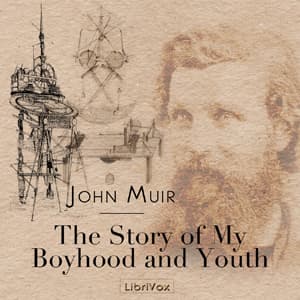

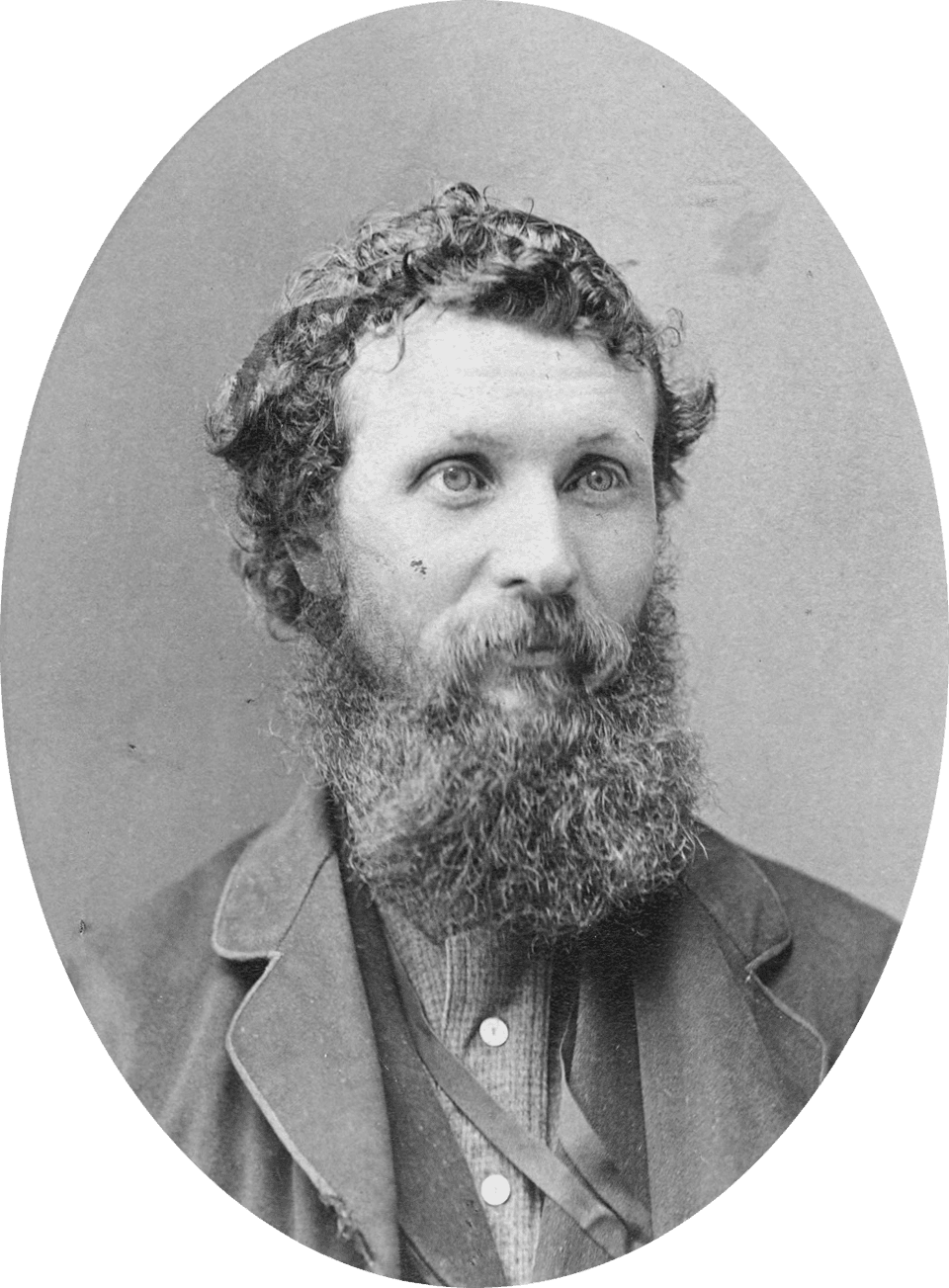
John Muir's father sounds like a piece of work. And I mean that in the most historically contextualized, try-to-understand-the-era way possible. But also - the man wouldn't let his kids read anything but the Bible and made them memorize scripture by candlelight in a freezing Wisconsin farmhouse. So yeah. A piece of work.
This memoir hit me differently than I expected. I picked it up because I teach a unit on American nature writing - Thoreau, Emerson, the usual suspects - and figured I should finally get around to Muir's origin story. What I got was less "how I became a naturalist" and more "how I survived my childhood." The nature stuff is there, beautiful and precise, but it's woven through this portrait of frontier hardship that feels almost Dickensian.
The Education Nobody Wanted Him to Have
Here's what struck me most: Muir taught himself. Not in the inspirational poster way, but in the desperate, sneaking-books-when-his-father-wasn't-looking way. The passages about him getting up at one in the morning - ONE A.M. - just to have a few hours to read and tinker with his inventions before farm work started? That's not dedication. That's survival. He was starving for knowledge in a house where curiosity was treated as sinful.
Sue Anderson's narration captures this quiet defiance well. Her reading has this warmth to it, almost maternal, which creates an interesting tension with the harsh content. When Muir describes his father's religious severity, Anderson doesn't dramatize it. She lets the words do the work. And honestly, Muir's prose is strong enough to carry itself - he writes with this observational precision that you can tell came from all those years watching birds and seasons and the small mechanics of the natural world.
Where the Pacing Wanders
Look, I'll be honest - some sections dragged for me. There are stretches where Muir catalogs farm tasks or describes the Wisconsin landscape in exhaustive detail, and Anderson's pacing doesn't always help. She rushes through some of the more emotionally charged moments and then slows down for passages that could use a lighter touch. It's not a dealbreaker, but I noticed it. (I was grading papers during the slower bits. Don't tell my students.)
But then you get to the scenes with the animals - the oxen, the birds, the way young Muir observed everything with this intense, almost scientific attention - and the whole thing comes alive again. There's a passage about a bird's nest that made me stop mid-red-pen and just listen. That's the Muir who would later fight to save Yosemite. You can see it forming.
The Great Escape
The ending - Muir leaving home with nothing but his handmade clocks tied together in a bundle - is genuinely moving. His father's parting words were basically "good luck, don't expect any help from me." And Muir just... walked into the world. At the State Fair. With his weird clock contraption. Hoping someone would notice.
It's the kind of story that reminds you why we still read memoirs from 150 years ago. The specifics change, but that hunger to become something more than what you were born into? That's eternal. My students would probably zone out during the farm descriptions, but they'd get this part. The need to escape, to prove yourself, to find people who understand what you're trying to build.
Who This Is For (And Who Should Skip It)
If you're coming to this expecting adventure stories about Yosemite, recalibrate. This is the prologue. The making of the man. Skip it if you want wilderness tales - those come later in Muir's life. But for anyone who's ever felt trapped by circumstances and dreamed of something bigger, or anyone teaching American nature writing who wants the full context? This is essential listening.
Class Dismissed
At just over five hours, this is a manageable listen. Not every chapter earns its length, but the cumulative effect is powerful. You finish understanding not just what Muir became, but why he needed nature so desperately - it was the opposite of everything his father represented. Freedom instead of restriction. Wonder instead of fear.
Sue Anderson's narration is solid if unspectacular. Clear, professional, occasionally rushed. I couldn't find much about her other work, but she handles Muir's 19th-century prose without making it feel stuffy. That's harder than it sounds.
Muir was there first, whittling clocks in a frozen basement at one in the morning. That's the kind of origin story worth knowing. Helen Keller's Story of My Life has that same quality - another 19th-century memoir about someone who refused to let circumstances define them, though her obstacles were obviously different.





![Steve Jobs [unabridged audiobook] audiobook cover](/_next/image?url=https%3A%2F%2Fcovers.audiobooks.com%2Fimages%2Fcovers%2Ffull%2F9788499923406.jpg&w=1920&q=75)