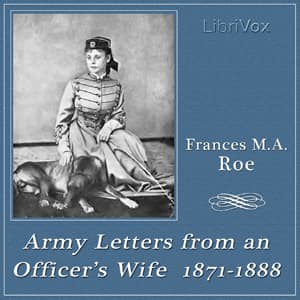

I was cleaning my old service pistol at the kitchen table - Linda was already asleep - when Frances Roe described staring down three wolves on horseback with nothing but a riding crop and sheer nerve. I set down the cleaning rod and just listened. That's when I knew this woman was the real deal.
Let me cut to the chase: this is primary source gold. Frances Roe wasn't writing for publication when she penned these letters home between 1871 and 1888. She was just telling her family in New York what life was actually like at frontier Army posts across Kansas, Colorado, Montana, and beyond. And because she wasn't trying to impress anyone, she got the details right - the petty politics of officer housing assignments, the reality of keeping house in a tent during winter, the complicated relationships with local tribes.
A Military Wife Who Actually Belonged There
What struck me hardest was how Frances adapted. This wasn't some delicate Eastern flower wilting on the plains. She learned to ride (sidesaddle, as was expected), shoot, fly fish for trout, and hunt buffalo. When she describes the protocol of receiving ceremonial visits from Cheyenne and Arapahoe chiefs, there's no condescension - just genuine curiosity and respect. She writes about the Black cavalry troops at Camp Supply with the same matter-of-fact observation she gives to her rotating cast of cooks (Chinese, Polish, Irish, and enlisted men doing kitchen duty when nobody else was available).
The military details ring true. Officers bumping subordinates out of better quarters based on rank? Still happens. The endless relocations, the isolation, the way garrison life creates its own strange social ecosystem? All accurate. I've seen this play out in real life, just with different uniforms and different deserts.
Sue Anderson Does Right By Frances
Sue Anderson narrates this LibriVox recording, and she captures something essential - Frances's voice feels like a real woman talking to people she loves. There's warmth in the descriptions of mountain vistas and genuine distress when Frances later finds herself stuck in Omaha, writing from a hotel room: "It is the feeling of loneliness I mind here - of being lost and no one to search for me."
That line hit different than I expected. I've known that particular loneliness - being surrounded by people who don't understand what you've seen or where you've been. Frances experienced it in reverse, going from the frontier she loved to "civilization" she couldn't quite fit into anymore. When she mentions forgetting to open her parasol in town and losing them in shops, you feel her displacement.
Anderson's pacing works for the epistolary format. These are letters, not a novel, so there's natural variation in intensity. Some passages are pure domestic detail; others involve wolves or warfare. The narrator handles both without overplaying either.
Where It Drags (And Why That's Okay)
At nearly twelve hours, this isn't a quick listen. Some letters are more compelling than others - Frances's descriptions of Yellowstone shortly after it became a park are fascinating, while some of the social calendar updates feel less essential. But that's the nature of authentic correspondence. You're getting the whole picture, not a curated highlight reel.
I found myself listening during longer drives between client sites, and the episodic format actually worked well for that. Pick it up, put it down, the letters don't require you to remember complex plot threads.
Who Should Deploy With This Book
If you're interested in the American West beyond the myths - the actual daily grind of frontier Army life, the complicated realities of westward expansion, the disappearance of the buffalo herds and what that meant to everyone involved - this is worth your time. History buffs, military history enthusiasts, anyone who appreciates primary sources over secondhand interpretations.
Skip it if you need a driving narrative or can't handle the slower pace of 19th-century correspondence. This isn't a thriller. It's a window into a world that's gone, opened by someone who was actually there. World War Z works the same way - ordinary people telling their own stories, no filter, no agenda beyond getting the truth down.
Mission Debrief
Frances Roe didn't set out to write a historical document. She just wrote honest letters home, and that honesty is exactly what makes them valuable 150 years later. She was living it - no research required. Ranger approved this one, though he did fall asleep during the parasol complaints. Fair enough.







![Steve Jobs [unabridged audiobook] audiobook cover](/_next/image?url=https%3A%2F%2Fcovers.audiobooks.com%2Fimages%2Fcovers%2Ffull%2F9788499923406.jpg&w=1920&q=75)