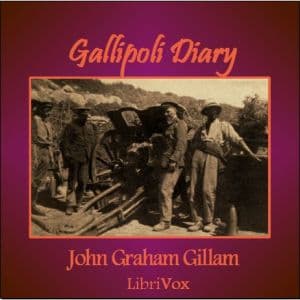

Walking the dog along the lakefront last Tuesday—one of those gray, miserable Chicago evenings where the wind cuts right through your jacket—I decided to start Gallipoli Diary. Honestly? I was expecting a stiff upper lip, British officer, "tally-ho" sort of thing. I teach World War I poetry to my juniors (Wilfred Owen, Sassoon, the heavy hitters), so I thought I knew the vibe.
I was wrong. Or, well, I was half-right, which is worse.
Here's the thing about this book: It doesn't start as a tragedy. It starts as a travelogue. Major Gillam is a supply officer—not in the first wave charging the beaches, but the guy counting the beans and bullets. At the beginning, he's talking about "trekking up the Gallipoli Peninsula" and marching triumphantly into Constantinople. It sounds like a gap year adventure. He's literally writing about cantering his mare across the countryside and how she jumps hurdles. So naive it actually hurts to listen to.
When the Adventure Stops
And then the reality hits. Not a sudden explosion—a slow, grinding realization that they are stuck.
This is why I love diaries over retrospective memoirs. There's no hindsight bias. You get to watch Gillam's optimism die in real-time. One minute he's complaining about the terrain, and the next he's describing the smell of chloride of lime being thrown over dead bodies because the stench is unbearable. That specific detail—the mix of chemical lime and decay—stopped me in my tracks. I actually paused the audio right there on the path. (My dog was annoyed, but he'll get over it.)
It's a gut punch because it's so matter-of-fact. He's a logistics guy. He writes about the horror of war with the same meticulous detail he uses for supply lists. Terrifying.
Sue Anderson Behind the Diary
Let's talk about the narrator, Sue Anderson.
At first glance, having a female narrator for a male officer's war diary might seem like an odd choice. My mom (hi, Mom) would probably ask why they didn't get a gruff British guy. But here's why it works: Anderson doesn't try to "act" the soldier. She narrates the soul of the text.
She has this clear, heartfelt delivery that emphasizes the tragedy without being melodramatic. Anderson brings that same emotional intelligence to Geronimo's Story of His Life, where the weight of loss needs a narrator who understands restraint. When Gillam writes about looking at the "purple Turkish hills" and realizing the conquest is hopeless, Anderson slows down. She lets the words hang there. She understands that the pause is punctuation.
Listeners have called her performance "lovely," which is a weird word for a war diary, but it fits. It feels like someone reading a ghost story that actually happened.
Yes, It's Slow. That's the Point.
Okay, I need to be real with you. Some people are going to hate this.
I saw reviews calling it "dry" or "monotonous." And yeah, it is. It's a diary. Not a movie script. There are days where nothing happens except moving boxes and dodging shells. There is repetition.
But that monotony? That's the texture of war. It's 99% boredom and logistics, and 1% sheer terror. If you're looking for non-stop action, go watch a Marvel movie. If you want to understand what it felt like to realize you were trapped on a peninsula with no hope of victory, counting supplies while your friends died—this is it.
Who This Is (and Isn't) For
History teachers, WWI obsessives, anyone who wants primary sources over polished narratives—you'll find this invaluable. Skip it if you need plot momentum or can't handle long stretches of logistical detail between the moments of horror.
My students would probably zone out during the supply descriptions. But for me? It's the most honest thing I've listened to all month. Worth the 12 hours just for that slide from innocence to "Death in various forms walks with us always."







![Steve Jobs [unabridged audiobook] audiobook cover](/_next/image?url=https%3A%2F%2Fcovers.audiobooks.com%2Fimages%2Fcovers%2Ffull%2F9788499923406.jpg&w=1920&q=75)