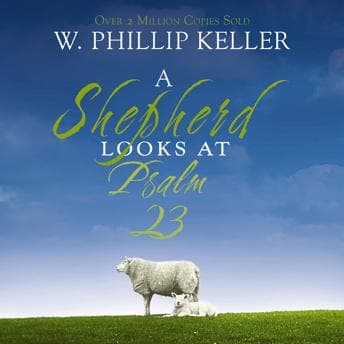

I've taught this psalm to teenagers for two decades. Twenty years of watching sixteen-year-olds mumble through "The Lord is my shepherd, I shall not want" like it's a dental appointment. They don't get it. Honestly? I didn't really get it either. Not until I spent three hours and forty-four minutes with a man who actually smelled like sheep dung for a living.
Keller's fundamental complaint - and it IS a complaint, beautifully rendered - is that we've domesticated this psalm into greeting card fodder. We've stripped the wool off it, if you'll forgive the pun. When he explains that sheep are genuinely stupid animals, prone to casting themselves (getting stuck on their backs until they die), eating poisonous plants, and following each other off cliffs - suddenly "He restoreth my soul" stops being a pleasant metaphor and becomes a rescue operation.
When the Shepherd Calls You Stupid (Lovingly)
Here's what Keller does that nobody else has done for me: he makes me feel appropriately embarrassed. Not shamed. Embarrassed. There's a difference. When he describes how sheep will destroy their own pasture by overgrazing the same spot - refusing to move even when the grass is clearly greener elsewhere - I thought about my third period class. Then I thought about myself. Then I thought about how I've been teaching the same Hemingway unit for fifteen years because it's comfortable.
The man grew up in East Africa. Spent years as an actual shepherd before becoming a conservationist and wildlife photographer. This isn't theological speculation dressed up in pastoral imagery. This is someone saying "I've pulled sheep out of mud. I've watched them panic and make everything worse. Let me tell you what David actually meant."
Maurice England's narration has this quality I can only describe as unhurried conviction. He reads like a man who believes every word but isn't trying to sell you anything. Clear, expressive, no vocal gymnastics. The kind of voice that works at 11 PM when you're pretending to grade essays but actually need someone to remind you that you're being shepherded through your own valleys.
"Thy Rod and Thy Staff" Isn't About Comfort
This is where Keller genuinely surprised me. I've always read "thy rod and thy staff, they comfort me" as a warm blanket kind of statement. Keller explains the rod was used to count sheep - literally tapping them as they passed under it - but also to discipline, to examine for parasites, to defend against predators. The staff? That crook we see in every nativity scene? It's for pulling wayward sheep back by the neck. Sometimes roughly.
Comfort, Keller argues, doesn't mean coziness. It means being known, examined, corrected, and protected. That idea of uncomfortable truth-telling reminded me of Why We Get Fat, which similarly refuses to let you stay comfortable with convenient lies. Even when the protection involves getting yanked back from the cliff edge you were determined to walk off.
I listened to most of this walking the lakefront with Denise. She kept asking why I was so quiet. Hard to explain that a book about sheep husbandry was making me reconsider my entire understanding of divine care. (She's used to this. Twenty years of marriage to an English teacher means tolerating sudden existential crises triggered by literature.)
Who Should Listen (And Who Should Skip)
If you grew up in church, you've probably heard Psalm 23 so many times it's become wallpaper. This book strips that wallpaper off and shows you the actual wall underneath. It's not always pretty. Keller doesn't let you stay comfortable with a vague, therapeutic God who just wants you to feel good.
If you're skeptical of religious books that feel like they're trying to manipulate your emotions - Keller isn't that. He's genuinely more interested in sheep behavior than in making you cry. The emotional impact comes from the clarity, not from manufactured sentiment.
If you want something quick and devotional, this works. Under four hours. But I'd recommend taking it slow. Maybe a chapter a day. Let the agricultural details sink in before moving to the next metaphor.
Skip this if you're not Christian or not interested in religious interpretation. Keller assumes you want a deeper relationship with the Shepherd. He's not trying to convince skeptics.
Worth Pausing the Faculty Meeting For
My students would absolutely hate this. Too slow, too agricultural, too much time spent on sheep parasites. But that's precisely why I love it. Keller takes his time because the psalm takes its time. "He maketh me to lie down" - not "He encourages me to consider resting when convenient."
I'm adding this to my personal rotation. Not for teaching - my juniors aren't ready - but for those nights when I've graded forty mediocre essays on The Great Gatsby and need someone to remind me that being led beside still waters is an act of grace, not a reward for productivity.
The narrator understands that pause is punctuation. England gives you space to think between Keller's observations. No rushing. No performance. Just a man reading another man's hard-won wisdom about sheep. And about us.