
"Love can redeem a man... but secrets and lies can condemn him."
That line hit different at 4 AM, charting on a patient who'd finally stabilized after a rough code. I'd had Salem Falls sitting in my queue for months—eighteen hours is a commitment, and night shift doesn't always cooperate. But that night? The unit was quiet (I knocked on wood, don't worry), and I finally hit play.
Tenth Circle was another one where Picoult had me side-eyeing my own assumptions before the coffee even kicked in.Look, Jodi Picoult knows how to mess with your head. I'll give her that.
When the Mob Mentality Hit Too Close to Home
This book is about accusations. About how quickly a community can turn on someone. About how the truth gets twisted and repackaged until nobody remembers what actually happened. Working in healthcare, I've seen versions of this play out. Not the same circumstances, obviously, but that mob mentality? The way people pick sides before they have all the information? The whisper campaigns in break rooms? Yeah. That felt real.
That small-town pressure-cooker dread reminded me of Unanswered Cries, though that one made my true-crime nurse brain itch in a whole different way.Jack St. Bride is a former prep school teacher who lands in Salem Falls trying to disappear. He's washing dishes, keeping his head down, falling for Addie who runs the local diner. And then four teenage girls decide to destroy him. The parallels to the Salem witch trials aren't subtle—Picoult basically puts a neon sign on them—but it works because she's not just being clever. She's asking uncomfortable questions about who we believe and why.
The courtroom scenes felt solid enough that I wasn't yelling at my dashboard. (Much.) What got me was the gray areas. Picoult doesn't let you sit comfortably in "he's innocent" or "he's guilty." She keeps pulling the rug out. I was driving home after a particularly brutal shift, exhausted, and I missed my exit because I was so wrapped up in testimony.
Julia Gibson Carried Me Through 18 Hours
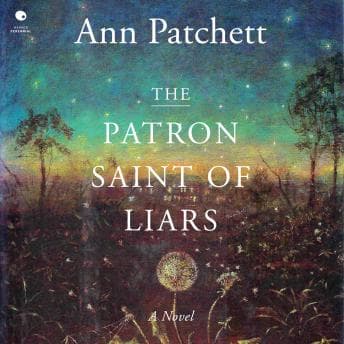
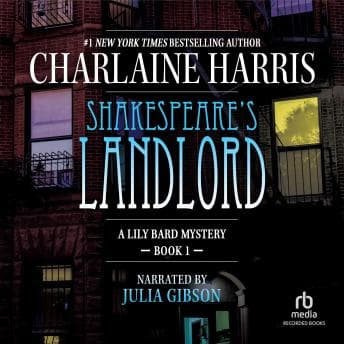
Here's the thing about long audiobooks—the narrator can make or break you. Julia Gibson kept me in it. She had that same steady hand in Patron Saint of Liars, which is exactly what I want when a story is carrying a lot of emotional baggage. Her voice is clear, no drama for drama's sake, and she captures each character without turning them into caricatures. The teenage girls sound like teenage girls. Addie sounds worn down but hopeful. Jack sounds like a man who's given up on being believed.
Some listeners complained about mouth sounds. I didn't notice, but I also listen while driving past construction zones and ambulance sirens, so maybe my bar is different. The production quality was clean otherwise.
Is it too long? Maybe. There were stretches in the middle where the pacing dragged—Picoult loves her multiple perspectives and sometimes you're just waiting to get back to the main thread. But I never considered abandoning it. Gibson's narration kept the slower sections from feeling like a slog.
The Gut-Punch I Didn't See Coming
I won't spoil it. But there's a reveal near the end that made me pull into my driveway and just... sit there. Carlos came out to check on me because I'd been in the car for ten minutes after the engine stopped. I blamed allergies. He didn't believe me.
Picoult does this thing where she makes you question your own judgment. You think you know who's lying. You think you've figured it out. And then she shows you something that reframes everything. As someone who's actually worked cases where patients weren't telling the whole truth—where families were hiding things, where the story kept changing—this felt uncomfortably familiar. The way people construct their own version of events and genuinely believe it.
The content warnings are real, by the way. Sexual assault accusations, violence, and the way a community weaponizes judgment. It's heavy. If you're looking for something light, this ain't it.
Charting My Final Notes
Perfect for that post-shift decompression if you can handle emotional weight when you're already tired. The 18-hour runtime means you'll be with this one for a while—I spread it across two weeks of commutes and quiet charting sessions. Worth it for the slow build and the payoff.
My mom would love this. She's always asking for recommendations, and she loves when I can't predict the ending. (She still thinks I should've been a doctor, but she's finally accepted that I have good taste in books.)
Skip if: You need fast pacing, can't handle ambiguity about guilt and innocence, or you're going to be frustrated by a story that doesn't give you easy answers.
Listen if: You like your fiction messy and real. You want to think. You've ever watched a situation spiral out of control and wondered how it got there.
I'm still thinking about it, weeks later. That's the mark of something that got under my skin.