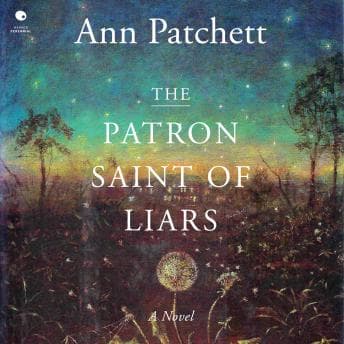

What happens when running away becomes staying forever?
I was curled up on my couch at 2 AM, Diego purring against my feet and Frida giving me that look cats give when they know you're about to cry. The design deadline I'd been avoiding sat untouched on my laptop while Julia Gibson's voice pulled me deeper into St. Elizabeth's, this crumbling home for unwed mothers in Kentucky that somehow became the only place Rose Clinton could exist.
And I did cry. Twice. Not the dramatic ugly-crying I'm known for, but something quieter. Something that sat heavy in my chest like grief that doesn't have a name yet.
Rose Clinton Made Me Want to Shake Her and Hold Her Simultaneously
Here's the thing about Rose—she's not likable. She leaves a perfectly decent husband. She's emotionally unavailable to basically everyone, including her own daughter. She makes choices that seem cruel from the outside. And yet. AND YET. Gibson's narration of Rose's introspective moments had me understanding her in my bones. That feeling of being trapped in a life that looks perfect but fits wrong? Of loving someone but knowing you can't be what they need? My heart. MY HEART.
Patchett structures this book in three parts, each narrated by a different character—Rose, then Son (the handyman she eventually marries), then Cecilia (her daughter). It's a risky move, and honestly, it took me a few hours to adjust when the perspective shifted. But Gibson handles each voice with this subtle consistency that makes them distinct without being cartoonish. Rose sounds measured, almost distant. Son has this earnest warmth. And Cecilia—when we finally get her perspective—carries this searching quality that broke something in me.
The Vibes Are Immaculate (But Bring Your Patience)
This is not a fast book. I'm talking 13 hours of slow, deliberate storytelling that demands you pay attention. I listened at my usual 1.0x because this is absolutely a savoring book, not a speedrunning situation. It's a rainy Sunday book. A 'cancel your plans and sit with your feelings' book.
The pacing works for me, but I can see why some listeners bounced off it. If you need plot momentum, if you want things to happen-happen, you might find yourself frustrated. This is a book about the quiet violence of choices, about how leaving can be its own form of staying trapped. Night Patrol explores that same tension between escape and entrapment, though in a completely different setting. The action is internal, and Patchett trusts you to care about people just... existing in their complicated feelings.
One thing that genuinely annoyed me though—there are these weird music breaks between sections? Like, the narration just stops and this random music plays. It pulled me out of the story every single time. I get that they were probably trying to signal transitions, but it felt jarring against Gibson's otherwise intimate delivery. A small thing, but it bothered me enough that I'm mentioning it.
Cecilia's Ending Wrecked Me (In a Complicated Way)
I need to talk about the ending without spoiling it. When Cecilia finally gets her turn to narrate, you realize this whole book has been building toward her understanding—or not understanding—her mother. And the conclusion is... unsatisfying? But in a way that feels intentional? Like, life doesn't wrap up neatly. Mothers don't always become the people their daughters need them to be. Some questions stay unanswered.
Abuela would have had OPINIONS about Rose. She would have clutched her rosary and called her una mujer egoísta while also, I suspect, understanding something about the desperation of women who feel trapped by love. The older I get, the more I see that Abuela understood things she never said out loud.
Who Should Listen (and Who Should Run)
Run toward this if: You love character studies. You want to feel complicated things about complicated women. You appreciate slow, literary fiction that prioritizes emotional truth over plot. You're a Patchett fan curious about where she started. You have 13 hours and a willingness to sit with discomfort.
Maybe skip if: You need likable protagonists. Slow pacing makes you antsy. You want resolution and catharsis. The idea of weird music interruptions would genuinely ruin your experience. You're looking for something light—this book felt like carrying a stone in my chest for a week.
Stepping Back from the Canvas
This is Ann Patchett's debut, and you can feel her figuring out how to do what she'd later refine in books like Bel Canto. It's not perfect. The pacing drags in Son's section, and those music breaks are genuinely baffling production choices. But there's something raw here, something about women and motherhood and the lies we tell ourselves about love that hit me right in the soft places I try to protect.
Gibson's performance is the glue holding it together—her Rose is so perfectly restrained that when emotion does crack through, it devastates. That kind of narrator restraint creating emotional impact reminds me of what made Things That Matter work so well—knowing when to hold back makes the moments of vulnerability hit harder. I'd give the narration a solid 4 out of 5 (docking a point for those music interruptions because they really did pull me out).
I finished this book three days ago and I'm still thinking about Rose. Still wondering if she was brave or cowardly. Still not sure there's a difference.