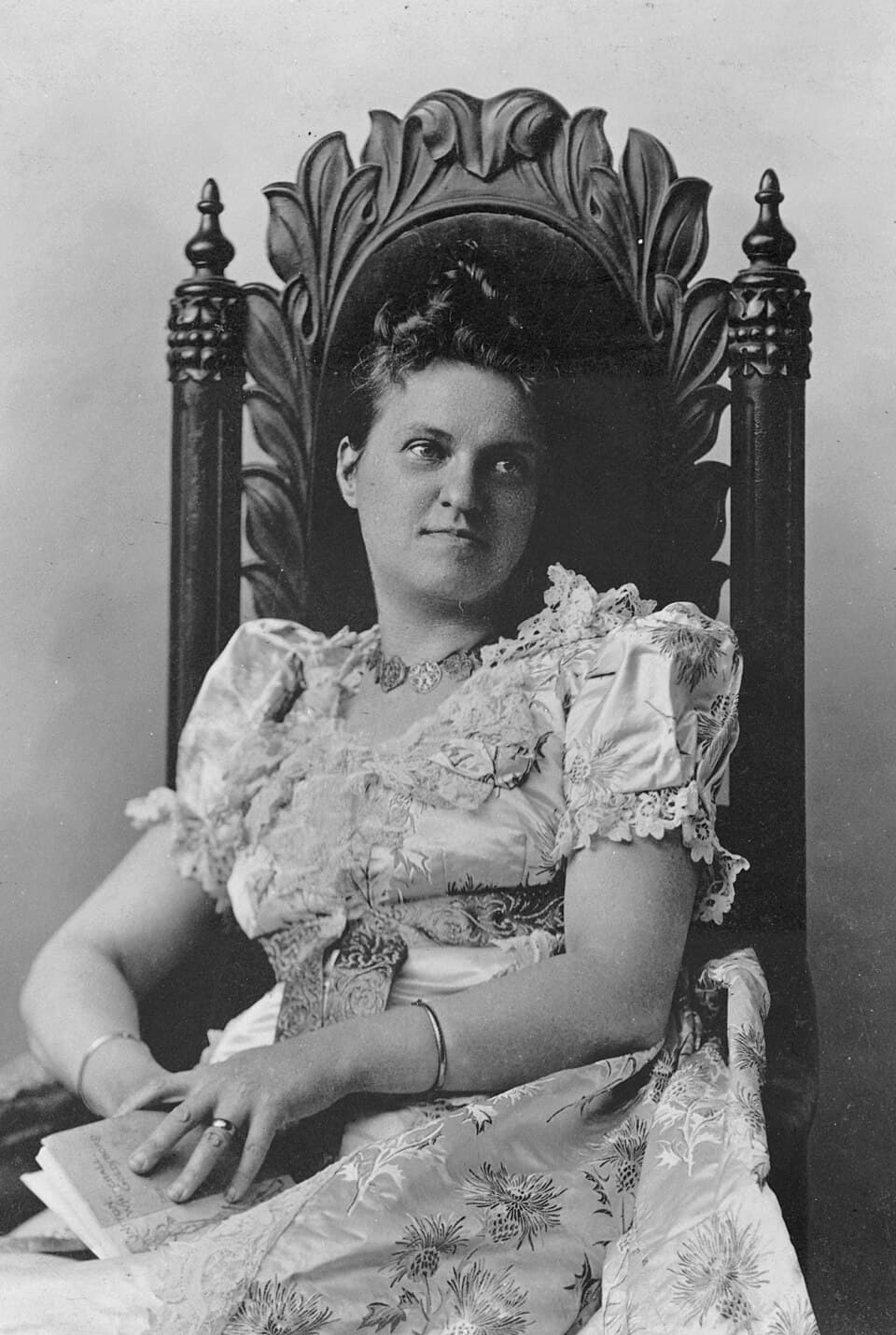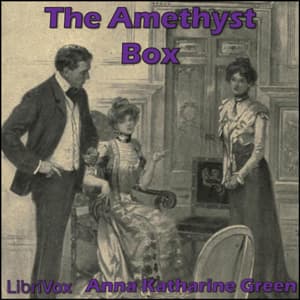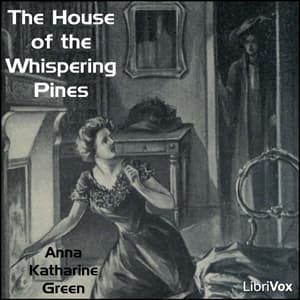

Everyone kept telling me Anna Katharine Green was the mother of American detective fiction. That she basically invented the genre before Agatha Christie was even born. So I went in expecting - I don't know - something revelatory? A psychological masterwork from 1905 that would make me rethink everything I knew about early crime fiction.
What I got was a seventy-minute parlor mystery about a lost ruby. And honestly? I'm not mad about it.
The Psychology of Drawing Room Deception
Here's the thing about Green's storytelling that genuinely impressed me: she understood social anxiety before we had a name for it. The entire premise - a valuable jewel goes missing at a ball, and someone has to figure out who took it without causing a scandal - is basically a case study in how upper-class Victorian society weaponized politeness. The detective can't just interrogate people. He has to navigate egos, reputations, the whole fragile ecosystem of wealth and status.
The protagonist exhibits classic avoidance behavior patterns. Everyone at The Evergreens is more terrified of social embarrassment than they are of being accused of theft. It's fascinating, actually. Green explores this same upper-class anxiety more deeply in That Affair Next Door, where the social stakes feel even higher. Green understood that for a certain class of people, being talked about was worse than being caught. That's not nothing for 1905.
But - and this is a significant but - the mystery itself is fairly thin. You've got a small cast of suspects, a straightforward timeline, and a resolution that won't exactly blow your mind. I found myself asking: why does this story still work when the puzzle is so simple? The answer, I think, is that Green was more interested in the social dynamics than the actual crime. The ruby is almost a MacGuffin. The real mystery is how people behave when they're cornered.
Where the Narration Falls Flat
Carolin Ksr delivers a clear, competent reading. I could follow every word. The pacing was fine. The audio quality was clean.
And that's... kind of the problem.
Look, this story lives and dies on its social tension. The whispered accusations, the barely-concealed panic, the detective's careful diplomacy. It needs vocal texture. It needs characters who sound like they're desperately maintaining composure while falling apart inside. What I got instead was a fairly monotone delivery that treated dialogue and narration with the same emotional weight.
I don't want to be too harsh here - Ksr's reading is perfectly serviceable, and for a LibriVox recording, the production quality is genuinely good. No weird background noise, no volume issues. But I kept imagining what this story could sound like with a narrator who leaned into the period drama of it all. The nervous matron. The defensive bachelor. The detective who's secretly enjoying everyone's discomfort. Those characters are on the page. They just didn't quite make it into my ears.
(My therapist would have thoughts about how I expect everyone to perform emotional labor, even audiobook narrators. She'd probably be right.)
A Case Study in Expectations
At seventy minutes, this is barely more than an extended short story. I listened during one morning jog through Cambridge, and it was done before I made it back home. That brevity works in its favor, honestly. The mystery doesn't overstay its welcome, and Green's prose is surprisingly accessible for something written over a century ago.
What makes this character compelling - the detective, I mean - is his restraint. He's not Sherlock Holmes, making everyone feel stupid. He's not even particularly brilliant. He's just... observant. Patient. Willing to let people incriminate themselves through their own anxiety. As a psychology researcher, I appreciate that approach. Sometimes the best interrogation technique is silence.
The research actually shows that Green was known for legally accurate detective fiction, and you can feel that here. The resolution follows logical steps. No wild leaps, no deus ex machina. It's satisfying in a quiet, workmanlike way.
But psychologically, some of it doesn't quite track. The thief's motivation felt underdeveloped to me - we get the what and the how, but not enough of the why. Green was clearly more interested in the mechanics of detection than the psychology of crime. Fair enough for 1905. For actual psychological depth in a Victorian mystery, Strange Case of Jekyll and Hyde delivers what Green doesn't—and the dramatic reading format makes all the difference. A little disappointing for someone who analyzes fictional characters like case studies.
Would I Listen Again?
Probably not. But I don't regret the seventy minutes I spent with it.
This is a historical curiosity more than a must-listen. If you're interested in the origins of American detective fiction, or you want something short and inoffensive for a quick errand, it'll do the job. The narration won't thrill you, but it won't actively hurt the experience either.
Just don't go in expecting psychological complexity. Green understood social dynamics beautifully. Individual psychology? That's where she leaves you wanting more.
(Maa would ask why I'm spending my time on obscure Victorian mysteries when I have papers to write. She'd have a point.)