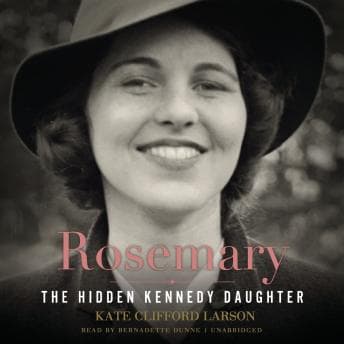

I was grading sophomore essays on The Great Gatsby—yes, again—when Bernadette Dunne started telling me about a different kind of American dynasty. And honestly? The Kennedy family makes Fitzgerald's old money look like amateurs at the whole "keeping up appearances" game.
This book wrecked me. I need you to understand that.
The Weight of What They Hid
Kate Clifford Larson has done something remarkable here. She's taken a woman who was essentially erased from one of America's most photographed families and given her back her humanity. Rosemary Kennedy wasn't just "the disabled one" or "the lobotomized daughter"—she was a young woman who attended exclusive schools, was presented to the Queen of England, traveled the world. She existed. She mattered. And then her father made a decision that haunts every page of this book.
Larson's research is meticulous without being dry. She had access to Rose Kennedy's diaries and correspondence, school records, doctors' letters—the kind of primary sources that make a historian's heart sing. (My grad school advisor would've wept.) But here's what sets this apart from typical academic biography: Larson never loses sight of the human cost. Every fact, every date, every medical detail serves the larger story of a family so obsessed with perfection that they literally cut part of their daughter's brain out rather than risk embarrassment.
I kept pausing to just... sit with that.
Bernadette Dunne Gets It Right
Look, I've listened to a lot of biographies where the narrator sounds like they're reading a Wikipedia article. Dunne doesn't do that. There's compassion in her delivery—you can hear it when she's describing Rosemary's struggles, her small victories, the way her siblings left her behind as they raced toward their various destinies. It's not performative emotion. It's understanding.
I heard that same unforced empathy in Wild: From Lost to Found on the Pacific Crest Trail, where Dunne knows when to step back and let the ache do its own work.Fair warning: she starts a bit fast. Like she's got somewhere to be. I noticed it in the first chapter and thought, "Oh no, is this going to be one of those?" But she settles into a rhythm pretty quickly, and after that it's smooth sailing. Her voice is clear and pleasant—the kind of narration you can listen to for hours without fatigue. Which matters, because at seven and a half hours, you're spending real time with this story.
The production quality is clean. No weird audio artifacts, no jarring transitions. Just professional work all around.
What Hemingway Said About Tragedy
Hemingway once wrote that the world breaks everyone, and afterward, some are strong at the broken places. I kept thinking about that while listening to this. Rosemary was broken—not by the world, but by her own father, by a medical establishment that saw lobotomy as a reasonable solution to a young woman's "intractability." (God, what a word. She was twenty-three and acting out. My students act out every Tuesday.)
But here's the coda that Larson delivers so beautifully: Rosemary's tragedy eventually inspired her siblings to transform how America treats people with disabilities. The Special Olympics, the legislation, the shift in public consciousness—it traces back to the Kennedy family's reckoning with what they'd done to their sister. JFK visited her while campaigning in the Midwest, nearly twenty years after she'd been institutionalized in Wisconsin. Twenty years. She'd been hidden away, and he didn't even know what had really happened to her.
Larson writes with accessible clarity that makes complex historical and sociological context feel natural, not like homework. She's not trying to impress you with her vocabulary. She's trying to tell you a true story, and she does it beautifully.
Who This Is For (And Who Should Maybe Wait)
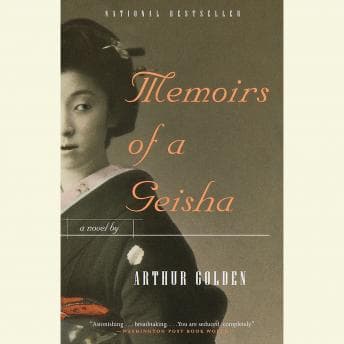
If you're interested in the Kennedys, obviously. If you care about disability rights history, absolutely. If you want to understand how families—even wealthy, powerful families—grapple with shame and secrecy, this is essential listening. I thought about Memoirs of a Geisha here too, another Dunne performance about a woman's life being shaped by systems that keep smiling while they close doors. Skip it if you need something light; this isn't that.
There are discussions of mental health, detailed descriptions of the lobotomy procedure, the emotional devastation of a family's choices. I listened while walking the lakefront, and there were moments I had to stop and just look at the water for a while. Denise asked me later why I seemed so quiet at dinner. "Kennedy stuff," I said. She understood.
My students would probably hate this—too slow, too sad, too historical. But that's exactly why I love it. This is why we still read (and listen to) the classics, why we study history, why biography matters. Because Rosemary Kennedy was real, and her story deserves to be heard.
Worth Pausing the Faculty Meeting For
Worth pausing everything for, really.