
I was grading sophomore essays on The Great Gatsby—yes, again—when I started this one. Denise had already gone to bed, and I needed something to keep me company through another round of "Gatsby represents the American Dream" papers. (They all say that. Every single one.)
What I didn't expect was to completely forget about Nick Carraway and find myself utterly absorbed in Judith Kratt's world instead.
The Weight of What We Inherit
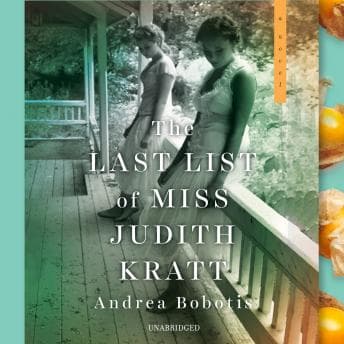
Here's the thing about Southern Gothic fiction that most people get wrong: it's not about the heat or the accents or even the secrets themselves. It's about the weight. The way history sits on a family like humidity—you can't see it, but you feel it in your bones. Andrea Bobotis understands this. Her debut novel does something I've seen attempted a hundred times and rarely done well: it makes an inventory list feel like a confession.
Judith Kratt is cataloging her family's belongings. A pie safe. A copper clock. The kind of heirlooms that seem quaint until you realize they're evidence. Evidence of what, exactly? That's where the 1929 flashbacks come in, and Bobotis threads them through the present-day narrative with controlled precision that makes me think her PhD in English Literature wasn't wasted. The dual timeline could have been gimmicky. Instead, it feels inevitable—like watching someone slowly realize the house they've lived in their whole life was built on a grave.
The murder at the center of this story isn't a mystery in the traditional sense. We're not playing detective. We're watching Judith come to terms with what she's always known but refused to name. And that's so much more devastating.
Why Bernadette Dunne Was Born for This
I couldn't find much about Bernadette Dunne's background before this, but honestly? After nine and a half hours with her voice in my head, I don't need a biography. She brings that same deliberate pacing to Memoirs of a Geisha—completely different setting, but she has this gift for letting historical weight settle into every word. I need to send her a thank-you note.
She does something with Judith's voice that I can only describe as controlled fury wrapped in Southern manners. There's this droll, almost snarky quality to her delivery that captures exactly how certain older Southern women speak—polite words with poison underneath. When Judith's wayward sister returns to stir up trouble, Dunne shifts into something sharper. The tension between these two women crackles. You can hear decades of resentment in the way she clips certain syllables.
And the pacing. Lord, the pacing. This is a slow-burn story—atmospheric, deliberate, the kind of book my students would abandon after chapter three. (I love it. They would hate it.) Dunne understands that pause is punctuation. She lets the silences breathe. She trusts the prose. At 1.0x speed, it felt exactly right. This isn't a book you rush through.
What Faulkner Would Recognize
I kept thinking about Absalom, Absalom! while listening. Not because Bobotis is imitating Faulkner—she's not—but because she's working in that same tradition of Southern families who can't escape their own histories. The cotton town setting. The racial tensions woven through everything. The way the past isn't past at all.
But where Faulkner can be deliberately obscure (don't tell my students I said that), Bobotis is accessible. Her prose is beautiful without being show-offy. Rich descriptions, yes, but in service of story rather than ego. The narrative voice has this wonderful dryness to it—Judith is funny in the way people are funny when they've been disappointed by life long enough to find dark humor in everything.
The themes here—racial oppression, family complicity, the lies we tell ourselves to keep living in houses built by injustice—are heavy. Bobotis doesn't flinch from them, but she also doesn't lecture. Family Upstairs tackles similar questions about inherited guilt, though in a contemporary London setting—same moral weight, different century. She lets the story do the work. So much of the horror is beneath the surface. What's unsaid haunts more than what's spoken.
Who This Is For (And Who Should Steer Clear)
If you loved Midnight in the Garden of Good and Evil, or The Secret History (the Donna Tartt one), or honestly any fiction that takes family dysfunction seriously, this is its spiritual successor. Book clubs would have a field day with this. There's so much to discuss about inheritance—not just physical objects, but moral debts. What do we owe to the truth? What do we owe to the dead?
But look, if you need a fast-paced thriller, this isn't it. If you're sensitive to depictions of racial violence and oppression in the Jim Crow South, be warned—it's handled thoughtfully, but it's present and it's painful. And if atmospheric storytelling makes you impatient, you'll be checking the remaining time constantly.
The Final Grade
I finished the last chapter around 1 AM, essays still ungraded, and I just sat there for a minute. One listener review I found said they were sad when it ended because they missed the characters. I get that. Judith Kratt is difficult and proud and complicit in ways she's only beginning to understand, and I miss her too.
Worth pausing the faculty meeting for. Worth losing sleep over sophomore Gatsby papers for. Worth every minute of those nine hours and thirty-seven minutes.
My students would hate this. I loved it.